Durable pavement stripes are the single biggest factor separating a parking lot that looks professional and safe from one that quietly creates liability risk. When lines fade, crack, or peel away, drivers misjudge stalls, pedestrians lose visual cues, and accessible parking spaces become impossible to identify. This guide covers everything a property owner in Denton, Plano, or anywhere in North Texas needs to know about durable pavement stripes — the materials, the application process, the road-safety standards behind them, and what actually makes lines survive years of Texas heat and traffic instead of fading within months.
Quick answer: Durable pavement stripes are lines made from thermoplastic, MMA (methyl methacrylate), epoxy, or high-quality traffic paint, applied over properly prepared asphalt at the correct thickness. Done right, they resist fading, cracking, and peeling for two to seven years depending on material and traffic volume.
What Are Durable Pavement Stripes?
Durable pavement stripes are markings engineered to withstand sun, rain, freeze-thaw cycles, and constant vehicle traffic without fading into illegibility. In practice, that means choosing the correct material for the job, preparing the asphalt correctly, and applying the coating at the right thickness and width.
However, durability is never just about the material. Even premium thermoplastic fails quickly when it’s applied over dirt, oil residue, or old peeling paint. That’s why a professional approach — outlined in this breakdown of durable line striping materials and prep — matters just as much as the coating itself. Similarly, this resource on what makes parking lot striping long-lasting and durable digs deeper into the prep-versus-product debate.
Why Long-Lasting Line Striping Matters for Road Safety
Long-lasting line striping isn’t only about curb appeal. Clear, visible lines guide traffic flow, reduce fender-benders, and help drivers find open spaces faster. Consequently, a well-marked lot or roadway feels safer and more organized to every single person who uses it — pedestrians included.
Furthermore, faded or missing lines create real liability exposure. A driver who misjudges a lane or a pedestrian who trips over an unmarked curb can trigger costly claims. Property managers who invest in durable pavement stripes upfront typically spend less over five years than those who repaint every few months out of necessity. For a deeper look at that math, see why long-lasting line striping pays off.
Above all, compliant, visible striping protects both drivers and property owners. As a result, many commercial insurers and municipalities specifically reference stripe visibility and retroreflectivity during safety inspections — a topic we’ll return to shortly.
Materials Behind Long-Lasting Pavement Markings
Several materials produce long-lasting pavement markings, and each comes with different tradeoffs in cost, cure time, and lifespan. Waterborne traffic paint is affordable and easy to apply, but it wears fastest under heavy traffic. Solvent-based paint offers slightly better durability but has largely been phased out due to environmental regulations.
By contrast, thermoplastic is heated to a liquid state, applied, and left to cool into a thick, reflective layer that bonds directly to the pavement. This makes it one of the most durable pavement stripes options available today, particularly for crosswalks, fire lanes, and high-traffic drive aisles. Property owners weighing decal-style options can also review thermoplastic striping decals for specialty markings like arrows and symbols.
MMA (Methyl Methacrylate) Markings for Road Safety
Methyl methacrylate (MMA) is a two-component resin marking material that cures through a chemical reaction rather than through heat or simple evaporation. Unlike thermoplastic, MMA can be applied and cured in colder temperatures, which makes it a favorite for highway agencies that need durable pavement stripes installed on tight seasonal schedules.
In particular, MMA resists chemical spills, fuel exposure, and abrasion from studded tires far better than standard paint. Consequently, it’s frequently specified for roundabouts, intersections, and high-speed roadways where braking and turning forces chew through weaker materials within a single season. Municipal road crews increasingly treat MMA as the benchmark for durable pavement stripes on public roads, even though the upfront material cost runs higher than paint or thermoplastic.
Comparing Striping Materials Side by Side
| Material | Typical Lifespan | Cure Time | Best Use Case |
|---|---|---|---|
| Waterborne Paint | 6–18 months | ~30 minutes | Standard stalls, low-traffic lots |
| Thermoplastic | 3–5 years | Minutes (cools on contact) | Crosswalks, fire lanes, drive aisles |
| MMA (Methyl Methacrylate) | 4–7 years | 15–30 minutes | Highways, roundabouts, high-speed roads |
| Epoxy | 3–6 years | 1–2 hours | Parking garages, industrial floors |
Ultimately, the right choice depends on traffic volume, budget, and how long the property owner wants the markings to hold up before restriping becomes necessary.
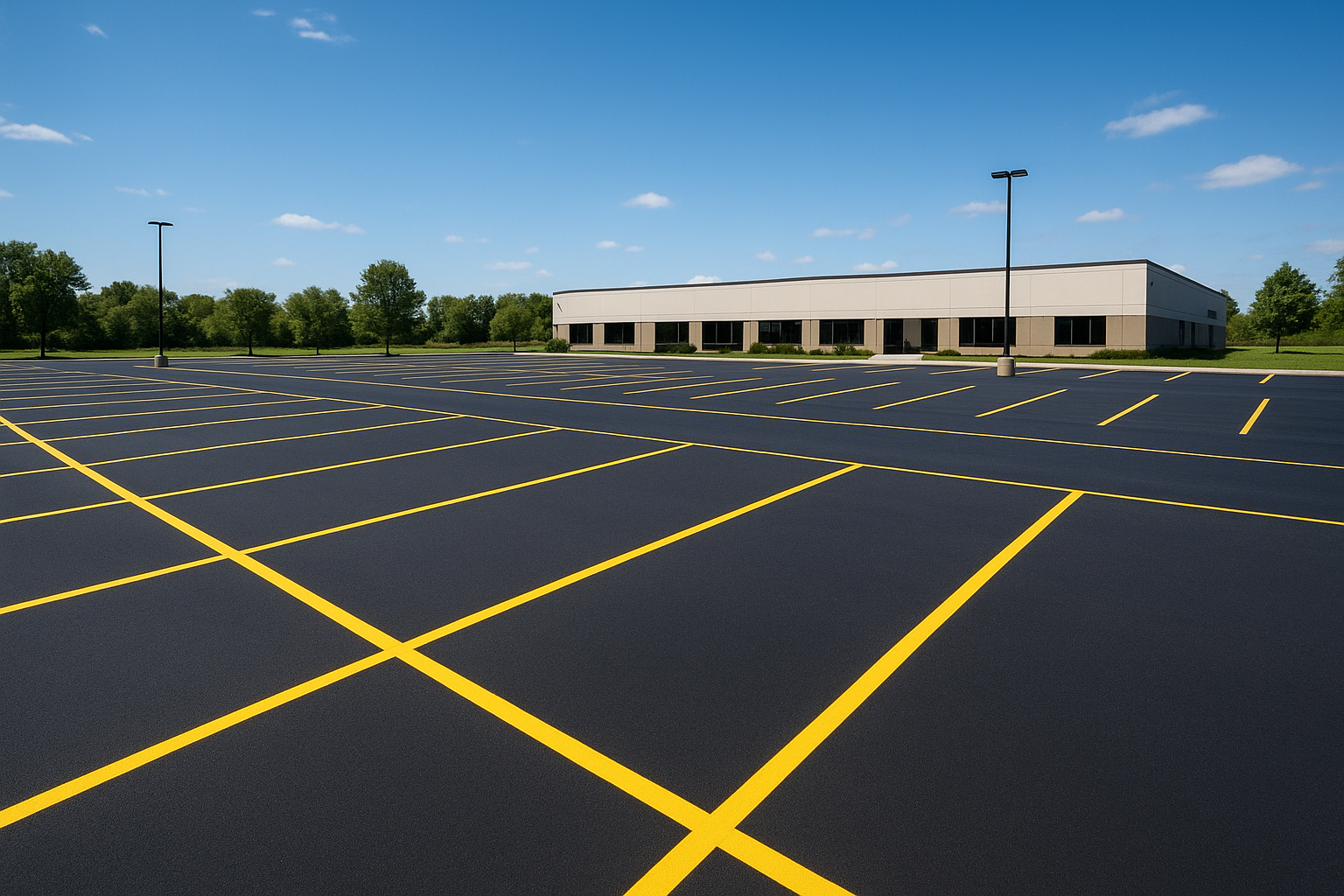
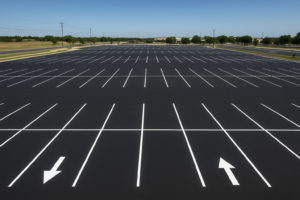
Durable pavement stripes keep drive lanes and parking stalls clearly defined for years.
Retroreflectivity: The Road-Safety Standard Behind Durable Pavement Stripes
Retroreflectivity refers to how well a stripe bounces headlight beams back toward a driver at night, and it depends heavily on tiny glass beads embedded into the marking material while it’s still wet or molten. Specifically, the Manual on Uniform Traffic Control Devices (MUTCD) sets minimum retroreflectivity levels for public roadway markings in the United States.
In contrast to a purely cosmetic assessment, retroreflectivity testing gives agencies an objective measure of when stripes need replacement. Therefore, when a contractor talks about durable pavement stripes, they should also be able to explain how bead density and application thickness affect nighttime visibility — not just daytime appearance.
The Process Behind Durable Pavement Stripes
Creating durable pavement stripes is a multi-step process that goes far beyond rolling paint onto asphalt. Surface prep, precise measurement, and controlled application all determine how long the finished lines will hold up.
Below is the general sequence a professional striping crew follows on a typical commercial or municipal project.
Step-by-Step: How Crews Apply Durable Pavement Stripes
- Crews sweep and pressure wash the pavement to remove dirt, oil, and debris so new striping material can bond properly to the asphalt surface without trapping contaminants underneath.
- Faded or peeling paint is scraped, ground down, or blasted away so the new stripes sit on a clean, even surface without old lines bleeding through the fresh coating.
- Technicians measure and mark stall widths, drive lanes, and ADA spaces using chalk lines or lasers to guarantee accurate, code-compliant spacing before any material touches the ground.
- Paint, thermoplastic, or MMA is applied using calibrated striping machines that control line thickness and width, which directly determines how durable the finished stripes will be.
- The finished stripes are left to dry or cure undisturbed, then inspected for consistent width, coverage, and adhesion before the lot or roadway reopens to traffic.
Factors That Affect Stripe Longevity
Even the best materials won’t last forever. Several outside factors influence how long durable pavement stripes actually hold up in real-world conditions, and understanding them helps property owners set realistic restriping schedules.
Climate is a major factor. Texas heat, UV exposure, and occasional freezing temperatures all accelerate wear compared to milder climates. Similarly, traffic volume matters — a grocery store lot sees far more wear than a small office parking area, and a highway on-ramp sees more stress than either.
Surface condition also plays a major role. According to the Federal Highway Administration, pavement markings on well-maintained, crack-free asphalt consistently outlast those applied to deteriorating surfaces. Therefore, addressing potholes and cracks before restriping extends the life of new lines significantly. For a closer look at how these variables interact, see what makes line striping durable and long-lasting.
ADA Compliance and Fire Lane Marking
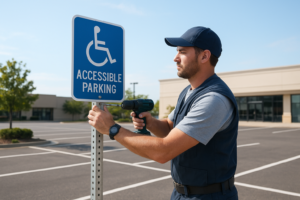
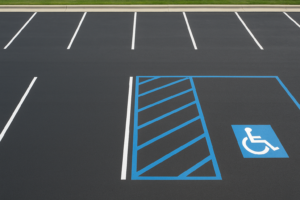
Accessibility markings are one area where durability isn’t optional. Under the Americans with Disabilities Act, commercial properties must maintain clearly visible accessible parking stalls, access aisles, and van-accessible signage. Faded ADA markings can trigger complaints or fines, so many property managers schedule accessibility line touch-ups more frequently than general stall lines.
Fire lane striping carries similar urgency. Red-painted curbs and lanes marked “Fire Lane No Parking” keep emergency access clear, and most Texas municipalities enforce these markings strictly. Consequently, durable, high-visibility red paint or thermoplastic is essential for fire lanes that see constant vehicle and foot traffic.
Property owners in North Texas can request a customized ADA and fire lane assessment through stripespls.com, which specializes in compliance-focused striping for schools, healthcare facilities, and retail centers. For a deeper walkthrough, see our Guidelines for Fire Lane Marking in Texas: Complete Compliance Guide.
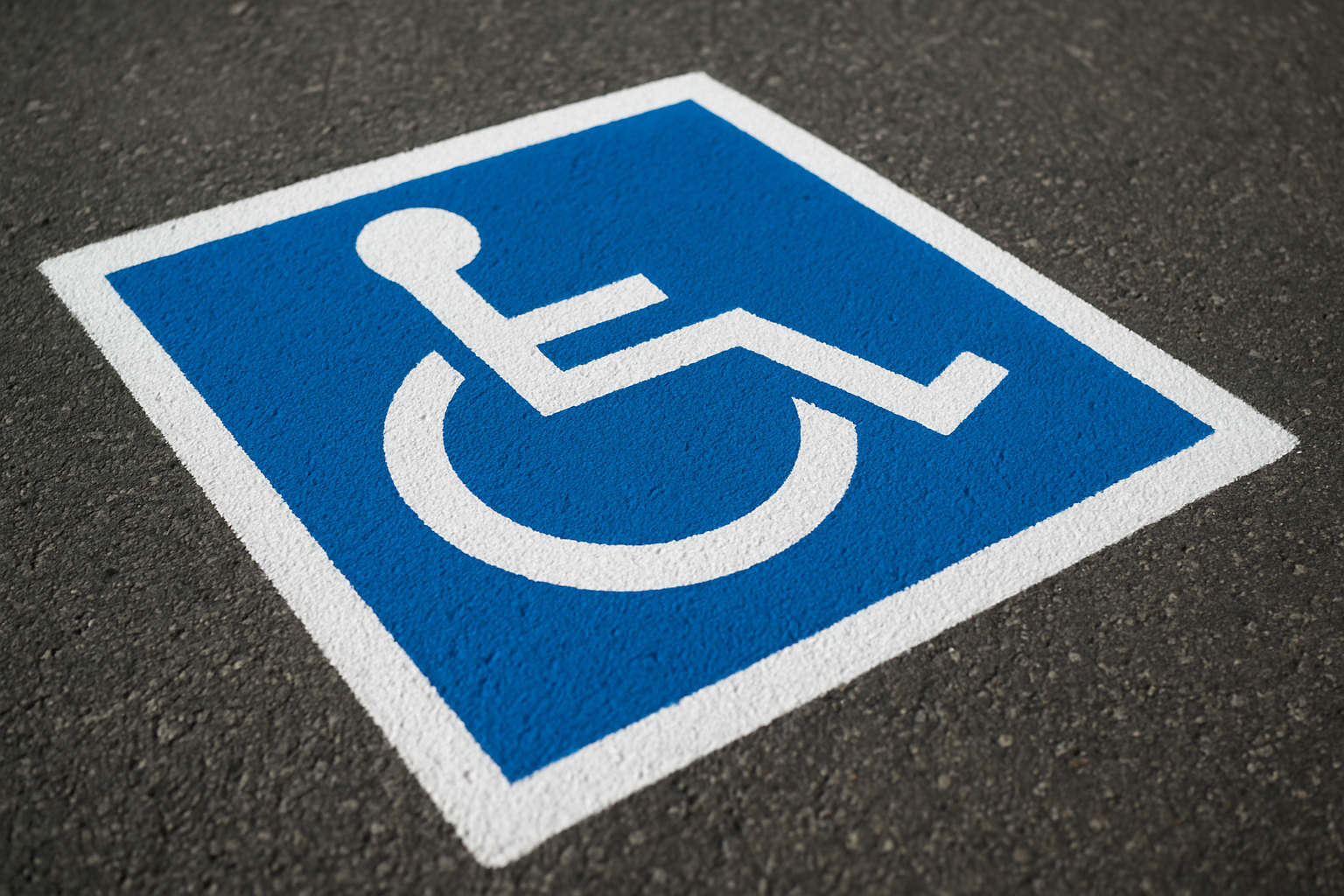
ADA-compliant markings need durable pavement stripes to stay clearly visible year-round.
Choosing a Striping Company in Denton or Plano, TX
Not every contractor delivers the same quality of durable pavement stripes. Local experience matters, especially when it comes to understanding Texas climate conditions and municipal code requirements. For property managers researching local options, this guide on quality parking lot striping in Plano outlines what to look for in a reputable provider.
It’s also worth understanding how smaller local specialists compare to larger national outfits. The breakdown at what to know before hiring a highway striping company covers key differences in scope, pricing, and turnaround time. In addition, this resource on what to look for in a reliable striping service lists the exact questions worth asking before signing a contract.
In particular, ask prospective contractors about the equipment they use, whether they offer thermoplastic or MMA options, and how they handle ADA layout requirements. A reliable company should be comfortable answering these questions and providing a written scope of work before starting.
How Much Do Durable Pavement Stripes Cost?
Pricing for durable pavement stripes varies based on material, lot size, and design complexity. Standard paint striping is generally the most budget-friendly option, while thermoplastic, MMA, and epoxy applications cost more upfront but last considerably longer.
Industry estimates suggest well-maintained striped lots can extend the usable life of pavement markings by 30 to 50 percent compared to lots restriped without proper prep work. As a result, spending slightly more on preparation and material quality often reduces total cost over a five-year period. The most accurate way to budget for a project is requesting a free, itemized quote based on the specific property.
Frequently Asked Questions About Durable Pavement Stripes
What are durable pavement stripes made from?
Durable pavement stripes are typically made from waterborne traffic paint, MMA resin, thermoplastic, or epoxy. Thermoplastic and MMA tend to last longest because they bond directly into or onto the asphalt surface rather than sitting as a thin coating.
How long do durable pavement stripes last?
Well-installed durable pavement stripes typically last two to seven years depending on material, traffic volume, and climate. High-traffic commercial lots and roadways may need touch-ups sooner than lightly used residential areas.
What’s the difference between paint and thermoplastic striping?
Paint striping is more affordable and dries quickly, while thermoplastic striping is heated and melted into the pavement for a thicker, longer-lasting finish. Thermoplastic generally costs more upfront but reduces long-term repainting frequency.
What is MMA (methyl methacrylate) pavement marking, and how does it compare to thermoplastic?
MMA is a two-component resin that cures through a chemical reaction rather than heat, allowing installation in colder weather than thermoplastic requires. Compared with thermoplastic, MMA typically resists chemicals and abrasion better, making it a strong option for durable pavement stripes on high-speed roads.
Are MMA markings a good choice for durable pavement stripes on roadways?
Yes. MMA markings cure quickly, resist heavy braking and turning forces, and maintain strong retroreflectivity for four to seven years, which is why many municipal road crews specify it for highways and roundabouts despite the higher upfront cost.
How does retroreflectivity affect the durability and safety of pavement stripes?
Retroreflectivity measures how well a stripe bounces headlight beams back at night using embedded glass beads, and federal MUTCD guidelines set minimum levels for public roads. As stripes wear down, retroreflectivity drops, which is often a clearer sign of needed restriping than daytime appearance alone.
How much do durable pavement stripes cost?
Costs typically range from a few cents to over a dollar per linear foot depending on material, lot size, and design complexity. Getting a free quote is the most accurate way to estimate a specific project.
How often should parking lot lines be repainted?
Most commercial parking lots benefit from restriping every one to two years to keep lines clearly visible. Lots with heavier vehicle and foot traffic may need more frequent refreshing.
What causes pavement stripes to fade quickly?
Poor surface preparation, low-quality paint, harsh weather, and constant vehicle traffic are the main causes of premature fading. Skipping cleaning or priming before application also shortens stripe life significantly.
Is ADA-compliant striping required by law?
Yes, ADA-compliant accessible parking markings are required for most commercial and public properties in the United States. Non-compliance can result in fines and accessibility complaints.
Can pavement stripes be applied in cold weather?
Most striping materials require a minimum surface and air temperature to cure properly, often above 50 degrees Fahrenheit. Cold, wet conditions can weaken adhesion and reduce durability, though MMA tolerates cooler temperatures better than paint or thermoplastic.
What is fire lane striping and why is it necessary?
Fire lane striping marks emergency vehicle access routes, usually in red paint with lettering that reads “Fire Lane No Parking.” It’s required by most local fire codes to keep access lanes clear at all times.
How long does striping take to dry?
Most traffic paints are dry to foot traffic within 30 minutes and safe for vehicles within a few hours. Thermoplastic and MMA cool or cure even faster, often within 15 to 30 minutes of application.
What’s the best time of year to restripe a parking lot?
Warmer, dry months are ideal for restriping since paint and thermoplastic cure best above 50 degrees Fahrenheit with low humidity. In North Texas, spring and fall often provide the most reliable conditions.
How do I choose a reliable striping contractor near Denton or Plano?
Look for a contractor with local experience, proper equipment, and knowledge of ADA and fire code requirements. Checking past project examples and requesting a written quote helps confirm quality and fair pricing.
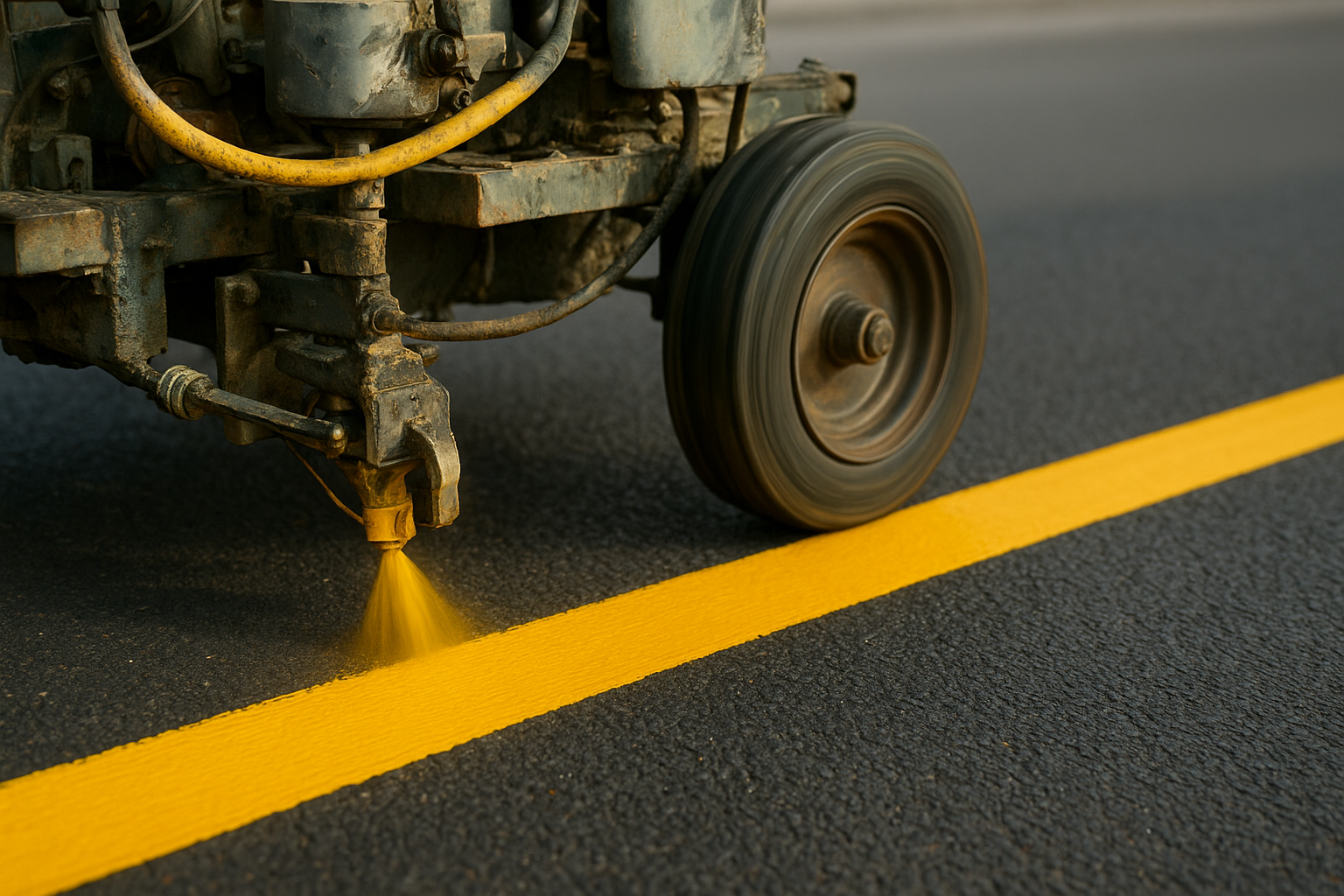
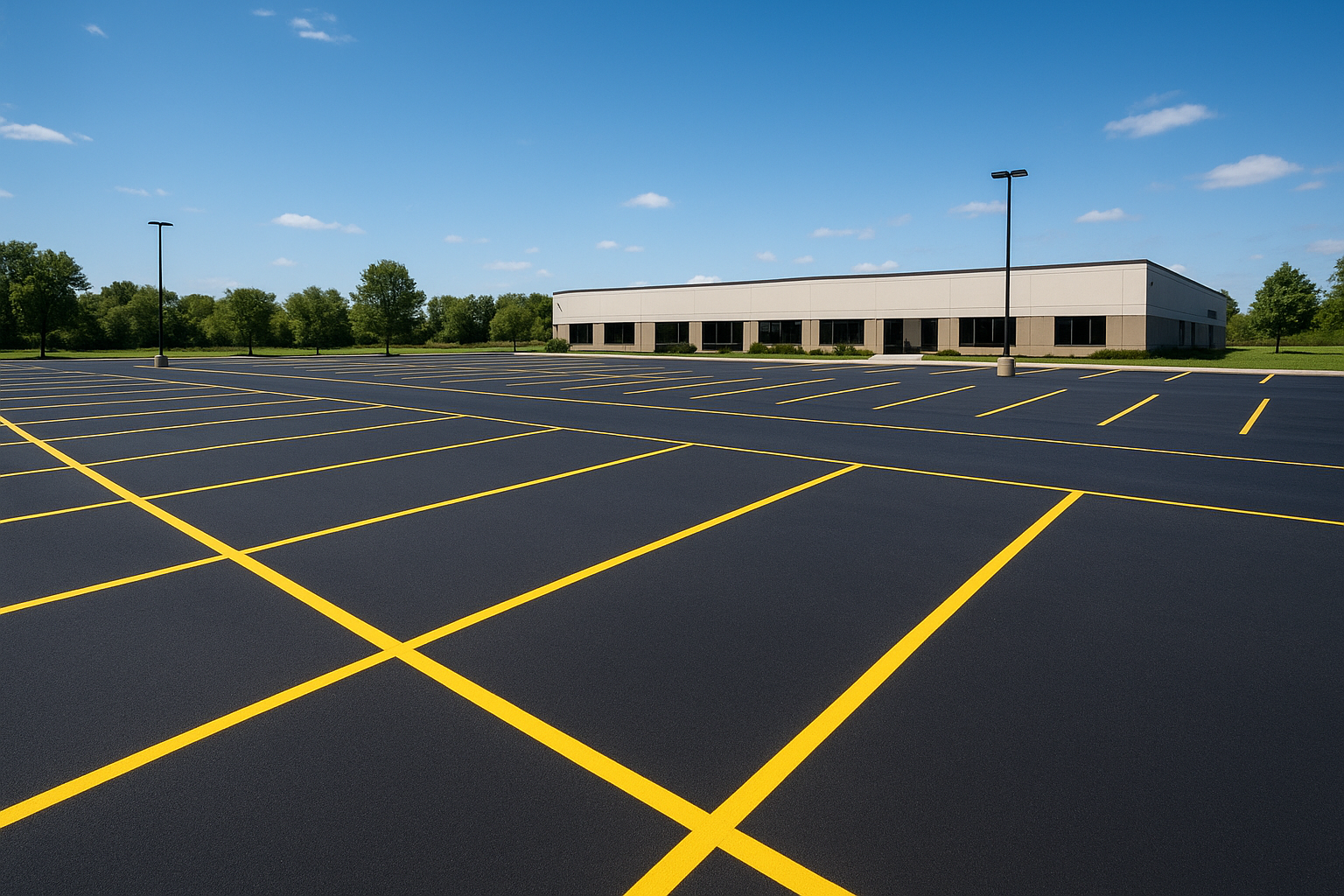
Calibrated equipment helps ensure consistent, durable pavement stripes from start to finish.
Final Thoughts on Durable Pavement Stripes
In summary, durable pavement stripes depend on four things: quality material, proper surface prep, skilled application, and attention to road-safety standards like retroreflectivity. Whether it’s a full ADA-compliant layout, fire lane marking, a highway-grade MMA application, or a simple restriping refresh, cutting corners on any of these steps shortens the life of the finished lines.
For property managers, schools, retail centers, and healthcare facilities throughout Denton and Plano, TX, investing in professionally applied durable pavement stripes protects both safety and curb appeal for years to come. Property owners ready to move forward can request a free quote directly through stripespls.com to get started on their next striping project. Author: Stripes PLS. Last updated: 2026-08-11.