
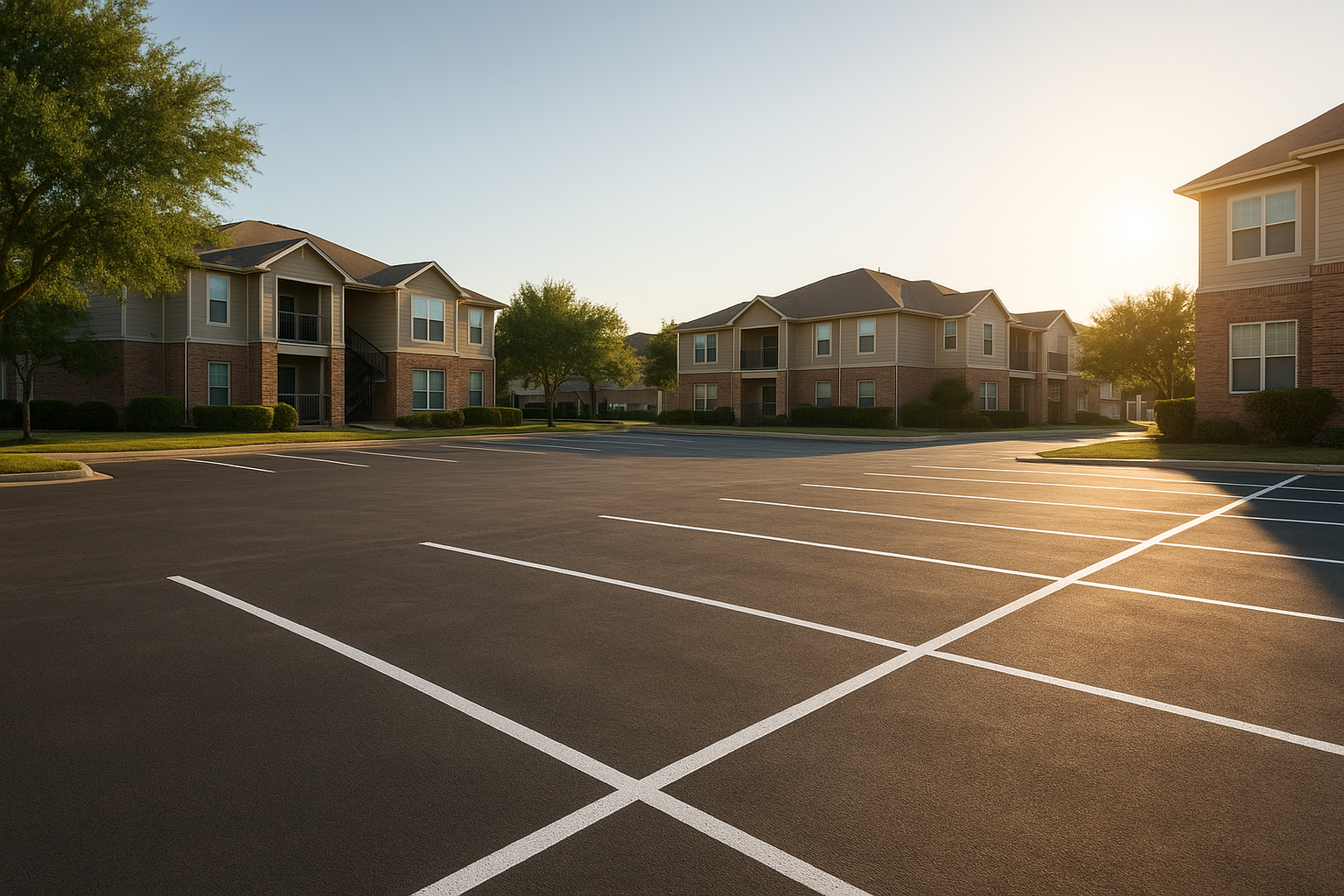
Striping services for residential properties give apartment communities, HOAs, and private neighborhoods clear, safe, and well-organized parking. Residential lots are different from retail lots. They often have narrow drive lanes, tight turns, guest stalls, and fire lanes close to buildings. As a result, line placement matters just as much on a quiet cul-de-sac as it does at a shopping center. This guide explains what the work includes, what it costs, how long it takes, and how to hire a dependable crew such as stripespls.com.
What Are Striping Services for Residential Properties?
Striping services for residential properties are the professional painting of parking lines, fire lanes, accessible stalls, and directional markings. They apply to apartment complexes, HOAs, and multi-family developments. Together, these markings keep traffic orderly, protect pedestrians, and support ADA (Americans with Disabilities Act) accessibility rules. Professional crews also use durable traffic paint made to hold up in North Texas heat and rain.
The work covers far more than straight stall lines. For example, a typical project may include repainting faded stalls, adding accessible spaces, and marking fire lanes along curbs. In addition, many communities ask for directional arrows, speed bump markings, and numbered stalls for assigned parking. According to the U.S. Department of Justice’s 2010 ADA Standards for Accessible Design, the number and placement of accessible spaces depend on total lot size, not just building type.
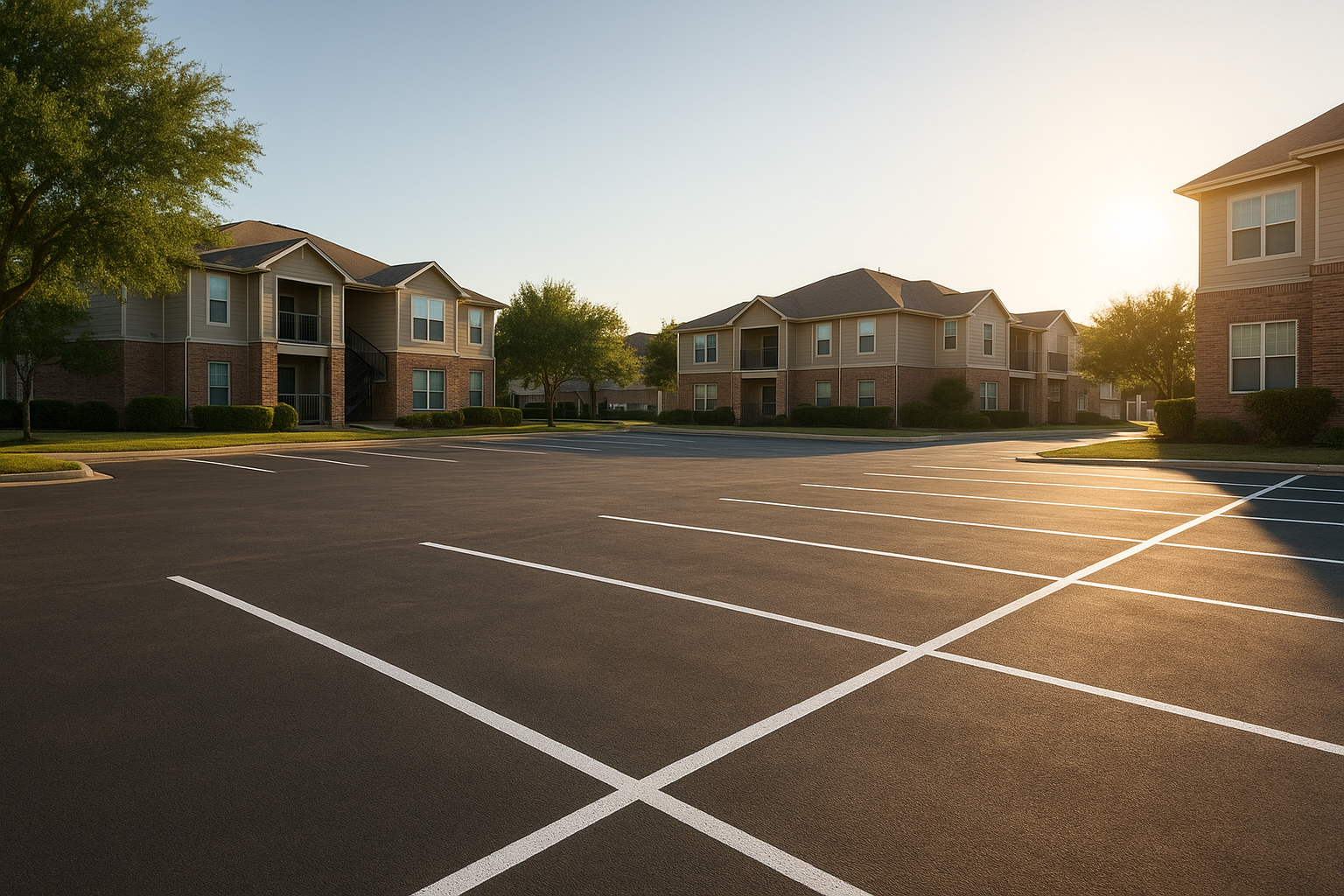
Fresh line work from striping services for residential properties keeps neighborhood parking organized and code-compliant.
Markings Included in Residential Parking Lot Striping
Every property is different. However, most residential projects draw from the same list of markings:
- New lot layout and striping for freshly paved or expanded areas.
- Restriping of faded stall lines and drive lanes.
- ADA stalls, access aisles, and the symbols that go with them.
- Fire lanes and no-parking zones, including curb painting.
- Directional arrows, stop bars, and crosswalks.
- Numbered, assigned, and visitor stalls.
- Speed bump markings near playgrounds, pools, and leasing offices.
- Layout changes to add stalls or improve circulation.
Why Residential Communities Need Professional Line Striping
Faded or missing lines cause real problems. Drivers struggle to find open spaces. Guests park in fire lanes without realizing it. Pedestrians also lose the visual cues that keep them out of traffic paths. Consequently, property managers see more parking disputes and safety complaints once markings wear away.
Compliance matters too. Local fire officials and ADA inspectors can review multi-family properties, and a faded fire lane or missing accessible stall may lead to fines. Painted markings in high-traffic, high-heat regions like North Texas often need refreshing every 12 to 18 months. Therefore, keeping lines fresh protects residents and owners from liability.
Key Benefits of Restriping Residential Parking Areas
- Improved traffic flow, since clear lines reduce confusion at peak arrival times.
- Stronger curb appeal, which supports resale and rental value.
- Better ADA compliance and a lower risk of complaints or fines.
- Open emergency access, because fire lanes stay clearly marked.
- More usable parking, since smarter layouts can add stalls without new construction.
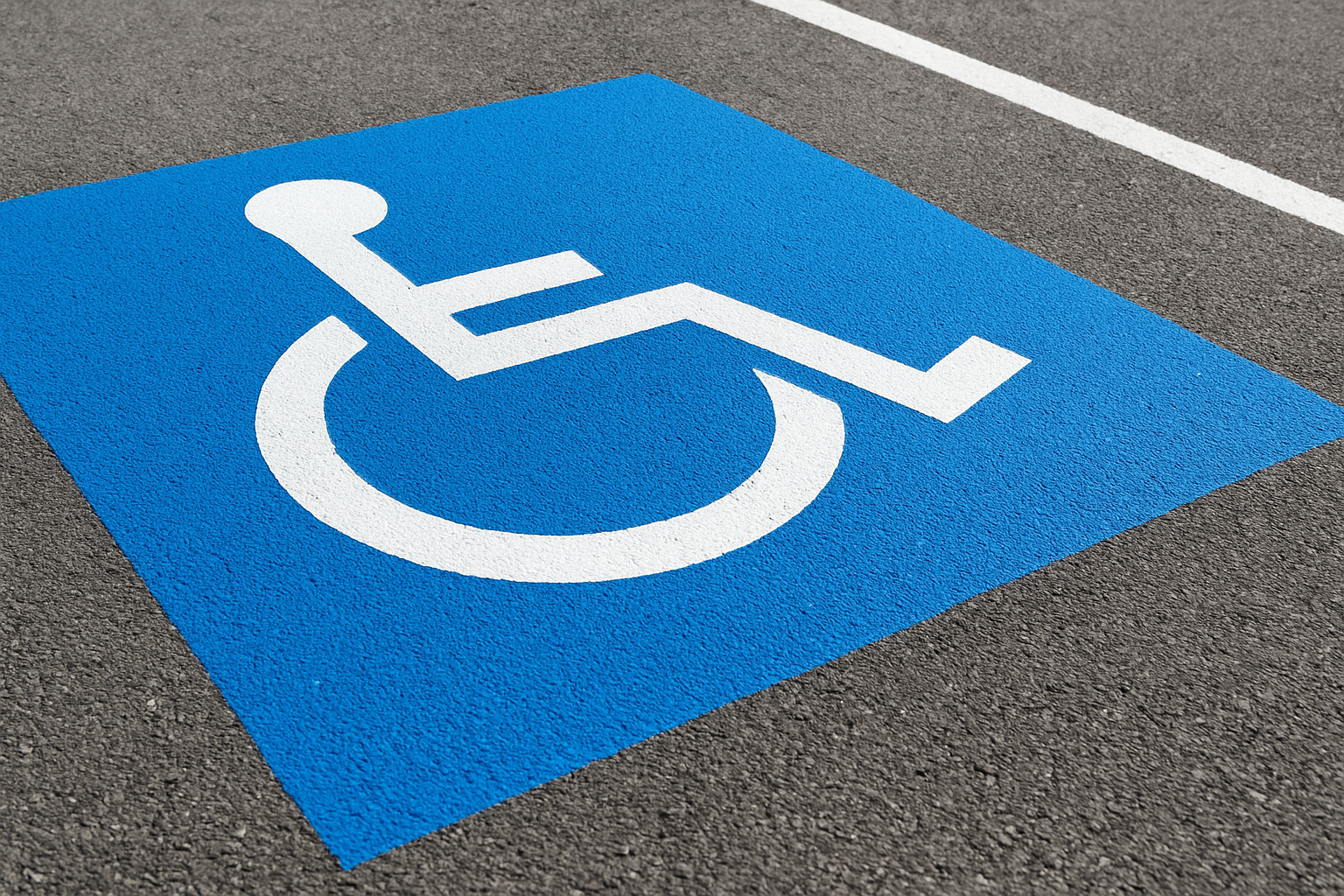
ADA-compliant handicap stall markings are a core part of most residential striping projects.
Common Parking Lot Problems Striping Can Fix
Lines Have Faded Out
Restriping to the existing layout restores order quickly. If the old layout never worked well, a revised one can replace it.
Accessible Parking Is Unclear or Missing
ADA stalls, access aisles, and signage-ready markings can be laid out as part of the job. Bring any specific compliance concern to the site visit so it is designed in from the start.
Traffic Flow Causes Conflicts
Blocked lanes, backed-up entries, and delivery trucks in the wrong spot are common. Directional arrows, stop bars, and small layout changes often solve them. Notably, restriping is the cheapest time to rethink layout, because the lot is already being marked.
Residential vs. Commercial Parking Lot Striping
Both types share the same basic materials, yet the layouts differ. Commercial lots usually prioritize high-volume flow, wide aisles, and clear paths to storefronts. Residential properties, in contrast, often need narrower lanes, assigned stalls, and extra fire lane marking near entrances.
Residential communities also request features that retail lots rarely need, such as speed bump striping near playgrounds. For more detail, read this comparison of commercial and residential striping services. In addition, the Federal Highway Administration’s Manual on Uniform Traffic Control Devices outlines national standards that many local codes follow.
Step-by-Step: The Residential Striping Process
A well-run project follows the same core steps on any property size.
- Site assessment and measurement. The crew walks the property, measures stalls and aisles, and notes fire lanes, accessible parking needs, and drainage issues.
- Layout planning and approval. The team designs a layout that maximizes usable stalls while placing ADA stalls and fire lanes correctly. Any change is agreed on before paint goes down.
- Surface cleaning and prep. Crews sweep, pressure wash, or blow off debris so new paint bonds and lasts through seasonal changes.
- Layout marking. Chalk lines or string guides mark exact placement before any paint touches the pavement.
- Striping and curing. Technicians apply traffic-grade paint with striping machines, then close off the area until the paint sets.
Afterward, most properties return to normal traffic within a few hours. The exact time depends on paint type and weather, so confirm it with your contractor before notifying residents.
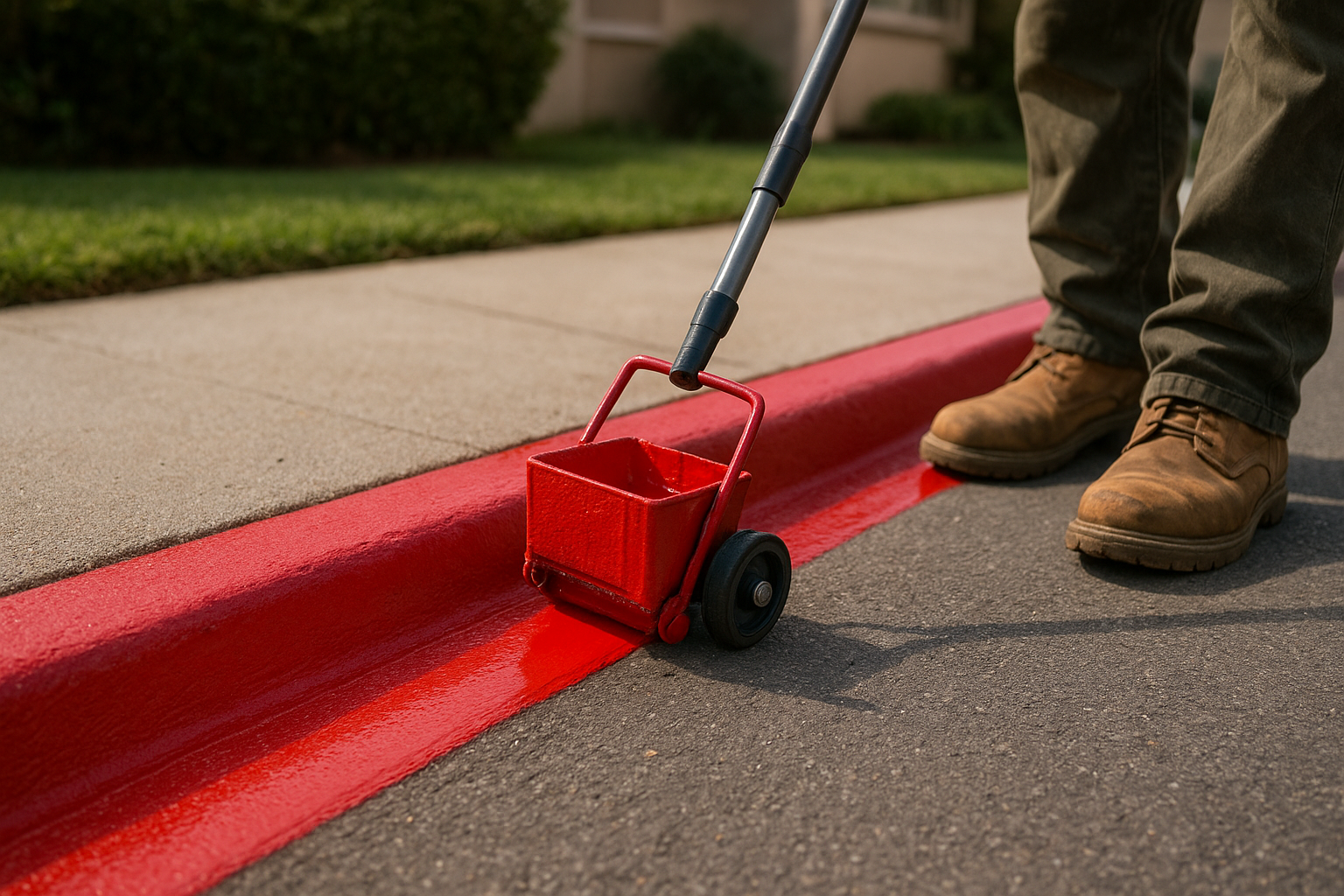
Fire lane marking is a key safety step within most striping services for residential properties, including compliant fire lane markings.
How Long Does Residential Parking Lot Striping Take?
Most projects take one to two days. Smaller HOA lots with fewer than 50 spaces are often done in a single day. Larger apartment communities may need two or three days for fire lanes, accessible stalls, and arrows.
Weather plays a role as well, since paint needs dry, mild conditions to cure. For this reason, many North Texas crews schedule work in spring or fall. Even so, experienced teams can work in summer heat with fast-curing formulas.
How to Choose a Reliable Residential Striping Company
Choosing the right crew matters as much as the paint. Look for clear pricing, proof of insurance, and experience with residential properties, not only large commercial lots.
Specifically, ask how they handle ADA layout, which paint products they use, and how long cure time will be before residents can park again. A written scope also lets you compare bids fairly. For a full checklist, see this guide on what to look for in a reliable striping service. To understand why materials and prep matter, read about what makes line striping durable.
A local company also knows regional codes and weather better than an out-of-area contractor. You can see examples of local work, such as parking lot striping in Denton, TX and quality striping in Plano. Teams can also handle customized parking line marking. Finally, learn more on the about page at stripespls.com.
Cost Factors for Striping Residential Properties
Pricing depends on lot size, the number of markings, and paint type. Smaller HOA lots might cost several hundred dollars. Larger apartment communities with many fire lanes and accessible stalls can reach the low thousands.
Surface condition matters too, since cracked or oil-stained pavement may need extra prep. Similarly, specialty markings such as speed bump striping or numbered stalls add to the total. For an accurate number, request a free quote through the contact page at stripespls.com. When you call, describe the site condition, drainage, access, and intended use.
Frequently Asked Questions About Striping Services for Residential Properties
What are striping services for residential properties?
Striping services for residential properties involve painting parking lines, fire lanes, accessible stalls, and directional markings across apartment complexes, HOAs, and multi-family communities. They keep traffic organized and support accessibility compliance.
How often should a residential parking lot be restriped?
Most lots need restriping every 12 to 18 months. High-traffic communities in hot climates like North Texas may need it sooner. Faded lines, chipped paint, and hard-to-see fire lanes are signs it is time.
Why is ADA-compliant striping important for residential communities?
It gives residents and visitors with disabilities clearly marked, properly sized accessible spaces. Skipping it can lead to fines and makes the property harder to use.
What is the difference between commercial and residential striping?
Commercial striping focuses on high-volume traffic and wide aisles. Residential striping often needs narrower lanes, assigned stalls, and more fire lane marking. Both use similar paint and equipment.
How long does residential parking lot striping take?
Most projects take one to two days, depending on lot size and the number of markings. Larger communities may need an extra day.
How long before we can park on fresh striping?
Drying time depends on the paint, weather, and surface. Many lots reopen within a few hours, but confirm the timing with your contractor before residents return.
Can the layout be changed when we restripe?
Yes. Restriping is the best moment to add stalls or improve circulation, because layout changes cost far less while the lot is already being marked. Changes to fire lanes or accessible parking may need local approval.
How much does residential striping cost?
Costs range from a few hundred dollars for small lots to several thousand for large communities. A free quote is the most reliable way to get an accurate number.
What paint is used for residential parking lot striping?
Most crews use water-based or solvent-based traffic paint made for outdoor pavement. These resist fading and cracking, and reflective additives can improve nighttime visibility.
Can residential striping be done in winter?
Yes, but cold temperatures slow curing and can affect adhesion. Spring and fall are most reliable, though crews can work on milder winter days.
What mistakes should be avoided when striping a residential lot?
Common errors include skipping surface cleaning, ignoring current ADA requirements, and using low-grade paint that fades within months.
Do HOAs need permits for restriping parking areas?
Simple restriping of an existing layout usually needs no permit. Adding fire lanes, changing stall counts, or altering accessible parking may require approval, so check with your city first.
How can property managers find a reliable striping company?
Choose insured, experienced contractors who work on residential properties. Ask about warranties, request references from similar communities, and get a written scope.
Final Thoughts on Striping Services for Residential Properties
Ultimately, striping services for residential properties protect more than paint lines on pavement. They support safer traffic flow, help communities stay ADA-compliant, and give the property a clean, well-maintained look. Whether a lot needs a simple refresh or a full layout redesign, an experienced local crew delivers a lasting result. For property managers in Denton, Plano, and across North Texas, requesting a free quote from a team like stripespls.com is a straightforward first step.



