Woodland striping services are professional pavement and floor marking solutions that keep parking lots, drive lanes, and warehouse interiors organized, safe, and fully compliant with accessibility, fire, and workplace safety regulations. Whether you manage a retail center, a healthcare facility, a school campus, or a distribution warehouse tucked into a wooded or suburban business park, clearly marked surfaces protect visitors, reduce liability, and create a stronger first impression. Below, you will find a complete guide to choosing, scheduling, and getting the most value from a quality striping provider — covering everything from exterior parking lots to interior warehouse floor marking.
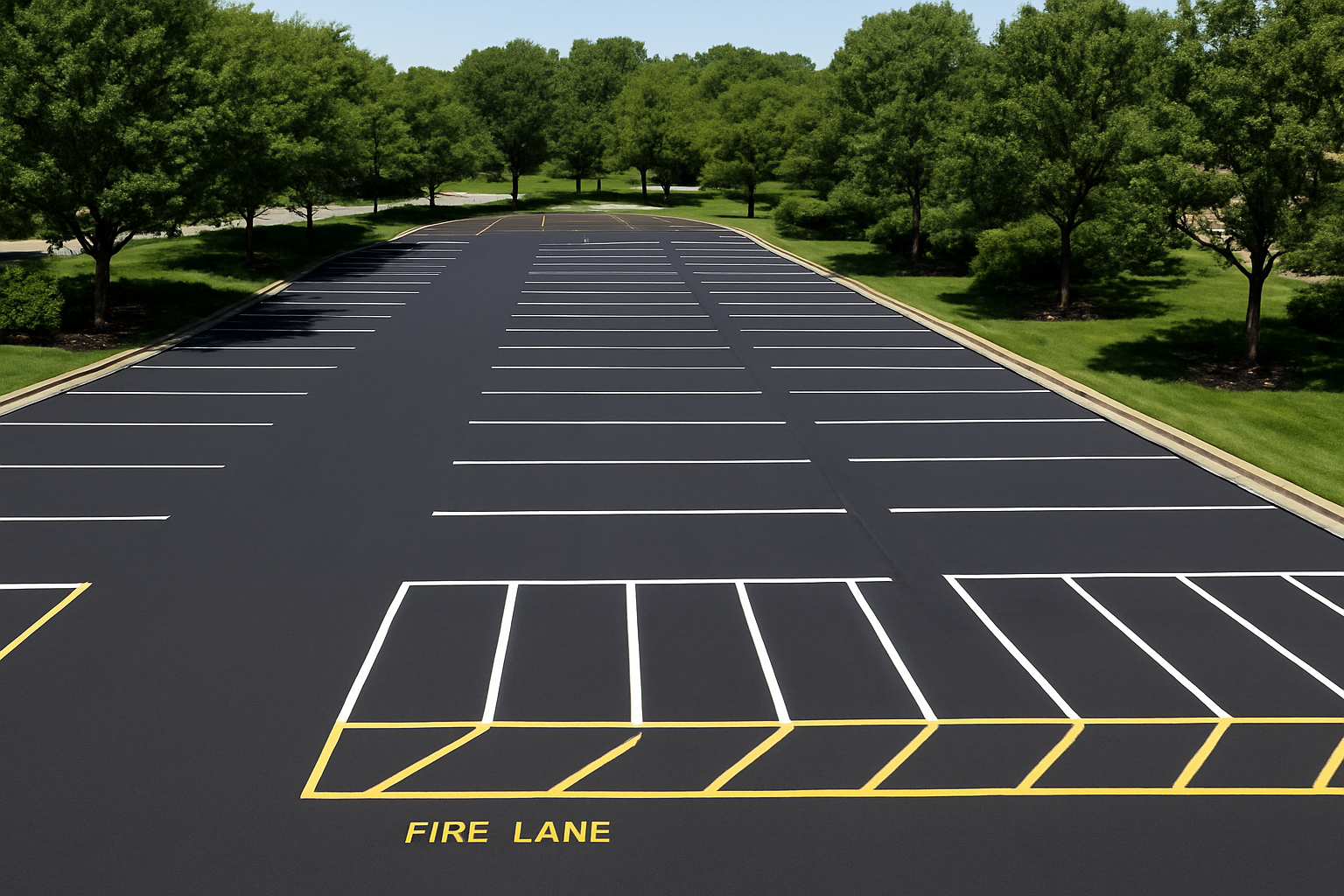
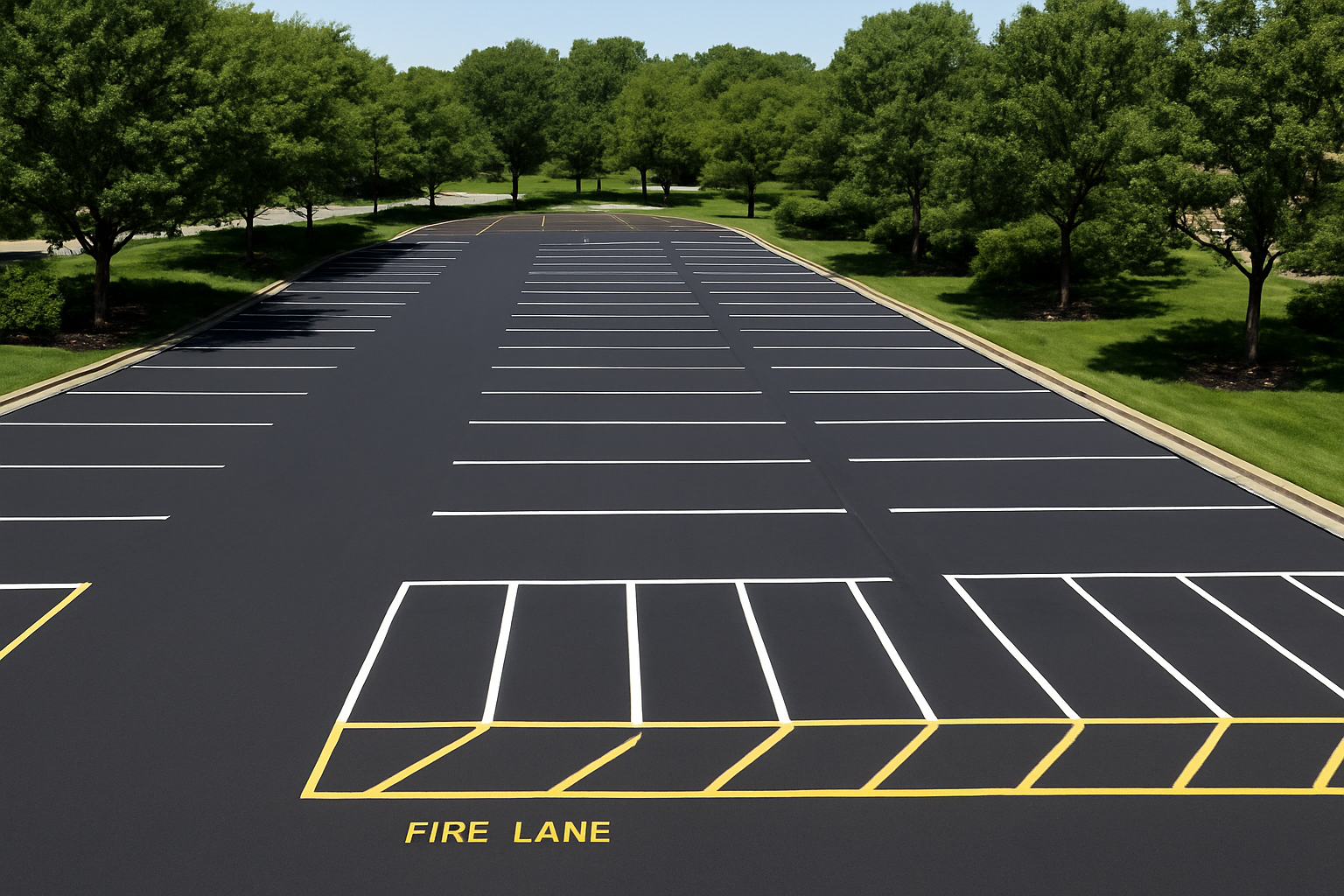
Fresh woodland striping services transform a parking lot into a safe, well-organized space for drivers and pedestrians alike.
What Are Woodland Striping Services?
Woodland striping services describe professional pavement and floor marking work performed for commercial properties in wooded, suburban, and semi-rural business districts. Specifically, these services cover everything from painting individual parking stall lines to designing complete lot layouts with ADA-compliant zones, fire lanes, directional arrows, curb markings, and — increasingly — interior warehouse floor marking for facilities that share the same property. The goal is always the same: a marked surface that is easy to navigate, legally compliant, and visually clean.
According to the Federal Highway Administration, pavement markings play a critical role in guiding drivers and reducing conflicts in shared traffic spaces. Therefore, keeping those markings visible and correctly placed is not optional — it is a fundamental part of property management, whether the surface in question is an outdoor lot or an indoor warehouse floor.
Why Parking Lot and Facility Striping Matters More Than You Think
Many property owners underestimate the impact that faded or missing markings can have on their business. In fact, a poorly marked parking lot can reduce usable capacity, create traffic conflicts, and expose the property owner to legal liability. Furthermore, non-compliance with Americans with Disabilities Act (ADA) requirements can result in costly fines and lawsuits.
Research consistently shows that organized parking environments improve customer satisfaction and encourage repeat visits to retail and service businesses. Similarly, well-marked warehouse floors reduce workplace injuries and improve pick-and-pack efficiency. Consequently, investing in professional woodland striping services is not just a maintenance task — it is a smart business decision that pays for itself.
The Hidden Cost of Neglected Markings
Paint on asphalt or concrete degrades over time due to UV exposure, vehicle traffic, and weather cycles. As a result, stall lines that were crisp at installation can become nearly invisible within 18 to 24 months on high-traffic lots. When drivers cannot clearly see the lines, they park haphazardly — reducing the number of usable spaces and frustrating customers before they even walk through your door.
Likewise, faded fire lane markings create serious safety hazards and put a property out of compliance with local fire codes. Inside a warehouse, worn aisle lines and faded hazard markings pose the same risk to forklift operators and foot traffic. Professional restriping and floor marking solve both problems efficiently and affordably.
Warehouse Floor Marking: The Piece Most Striping Guides Leave Out
Outdoor lot striping only tells half the story. In particular, warehouses, distribution centers, and light-industrial buildings need their own dedicated marking strategy, and a truly complete provider of woodland striping services should offer both. Interior floor marking guides forklifts, pallet jacks, and pedestrians through a facility while clearly labeling hazard zones, staging areas, and inventory locations.
OSHA and Industry Standards for Warehouse Floor Marking
The Occupational Safety and Health Administration (OSHA) requires permanent aisles and passageways to be appropriately marked so employees and equipment can move safely. In addition, many facilities voluntarily follow ANSI Z535 color standards, which assign specific meanings to marking colors — for example, yellow typically denotes general caution, red indicates fire equipment or danger, and white or blue marks designated storage or informational zones. As a result, a consistent color scheme across your entire property, from the parking lot fire lane to the warehouse floor, reduces confusion for both employees and visitors.
5S Floor Marking Systems Explained
Many warehouses organize their floor marking around the 5S methodology, a lean-manufacturing framework built on Sort, Set in Order, Shine, Standardize, and Sustain. In practice, this means every pallet position, walkway, and equipment station gets a clearly painted or taped outline. Consequently, employees can instantly see where an item belongs, which reduces search time, prevents misplaced inventory, and keeps aisles clear for emergency egress.
Floor Tape vs. Epoxy Paint vs. Thermoplastic for Warehouse Floors
Choosing the right material matters just as much indoors as it does in a parking lot. Floor marking tape is fast to install, easy to remove or reposition, and ideal for facilities that reconfigure layouts often. Epoxy floor paint, on the other hand, bonds directly to concrete and resists forklift traffic and chemical spills far longer than tape, making it a strong choice for permanent aisle lines. Finally, thermoplastic markings — heat-applied and extremely durable — work well in high-traffic zones such as loading dock approaches. A knowledgeable striping contractor will recommend the right combination based on your traffic volume, equipment type, and budget.
Core Services Included in Professional Woodland Striping Services
A full-service provider covers far more than simple stall lines. Below are the key services you should expect from a qualified contractor:
- Parking stall striping — Standard and compact stall lines painted to local code dimensions.
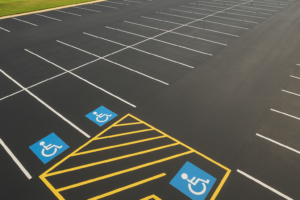
- ADA-compliant handicap markings — Correct stall widths, access aisles, and the International Symbol of Accessibility.
- Fire lane designation — Red or yellow curb and lane markings required by fire codes for emergency access.
- Directional arrows and traffic flow markings — Guidance for one-way lanes, stop bars, and pedestrian crosswalks.
- New lot layout design — Custom stall configurations to maximize capacity and improve traffic circulation.
- Restriping faded markings — Refreshing existing layouts to restore visibility and compliance.
- Warehouse and industrial floor marking — Aisle lines, hazard zones, 5S layouts, and racking labels for interior facilities.
For a detailed overview of available options, the services page at stripespls.com outlines everything a North Texas property owner might need, from basic restriping to complete lot and facility transformations.
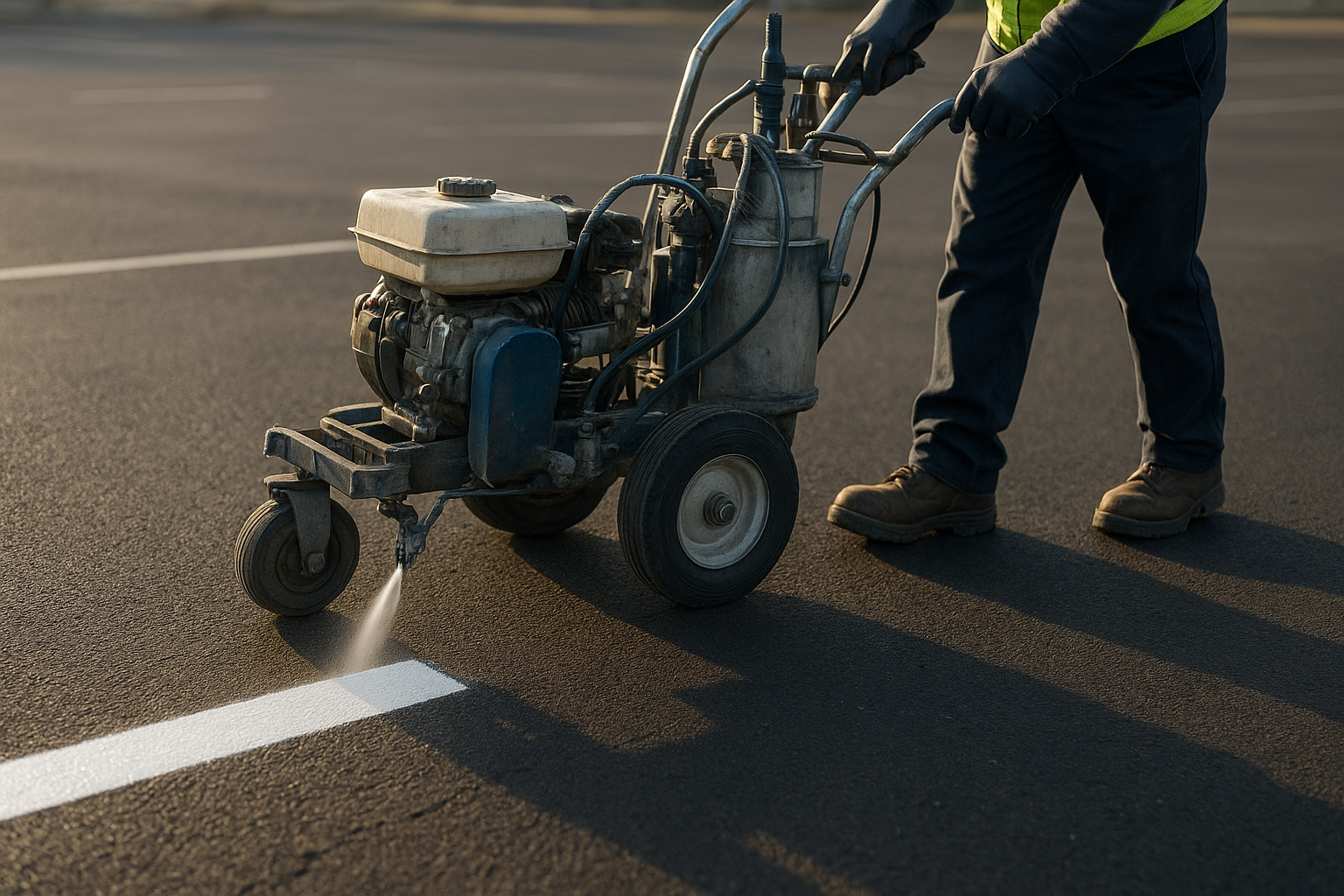
Precision equipment ensures every line is straight, properly spaced, and built to last through heavy traffic and weather exposure.
How to Prepare Your Property for Striping Services
Proper preparation makes a significant difference in how long your new markings will last, whether the job is an outdoor lot or an indoor floor. Follow these steps to get the best results:
- Inspect the surface. Walk the entire lot or facility to identify cracks, potholes, oil stains, and deteriorated pavement or concrete. Repair these issues before striping begins so the paint adheres correctly and lasts as long as possible.
- Clean the surface. Use a pressure washer or industrial blower outdoors, or an automatic floor scrubber indoors, to remove dirt, debris, loose paint, and oil residue before any new lines go down.
- Confirm the layout. Work with your striping contractor to finalize stall placement, ADA zone locations, fire lane positions, warehouse aisle widths, and hazard-zone boundaries before paint is applied.
- Clear the area. Arrange for vehicles, pallets, or equipment to be removed on the scheduled service day so the crew can work efficiently and without interruption.
- Allow proper drying time. Restrict traffic for at least 30 minutes after completion for initial drying, and up to 24 hours for a full cure, to protect fresh markings from tire and foot-traffic damage.
Choosing the Right Paint for Your Lot
Not all pavement paint is created equal. Water-based latex paint is the most common choice because it dries quickly and has lower VOC (volatile organic compound, meaning it releases fewer harmful fumes as it cures) emissions. However, oil-based alkyd paint offers superior durability in very high-traffic conditions, making it a better fit for busy commercial lots. Your contractor should recommend the right product based on your specific surface type and usage patterns.
Additionally, thermoplastic markings are available for applications that require exceptional longevity, such as crosswalks and stop bars on high-volume driveways. These materials are heat-applied and can last significantly longer than conventional paint, both outdoors and in warehouse loading areas.
ADA Compliance: What Every Property Owner Must Know
The Americans with Disabilities Act sets specific requirements for accessible parking spaces in commercial facilities. For example, parking lots with 1 to 25 total spaces must provide at least one accessible stall. Lots with 26 to 50 spaces require two, and the ratio continues to scale upward from there.
Each accessible stall must be at least 8 feet wide with a 5-foot access aisle, and at least one van-accessible space must be 11 feet wide with an 8-foot access aisle. Furthermore, the International Symbol of Accessibility must be clearly painted on the pavement surface and accompanied by a vertical sign. Failing to meet these standards puts property owners at risk of complaints, inspections, and financial penalties.
For more guidance on what to look for when evaluating a contractor’s approach to compliance, review this helpful resource on what to look for in a reliable striping service.
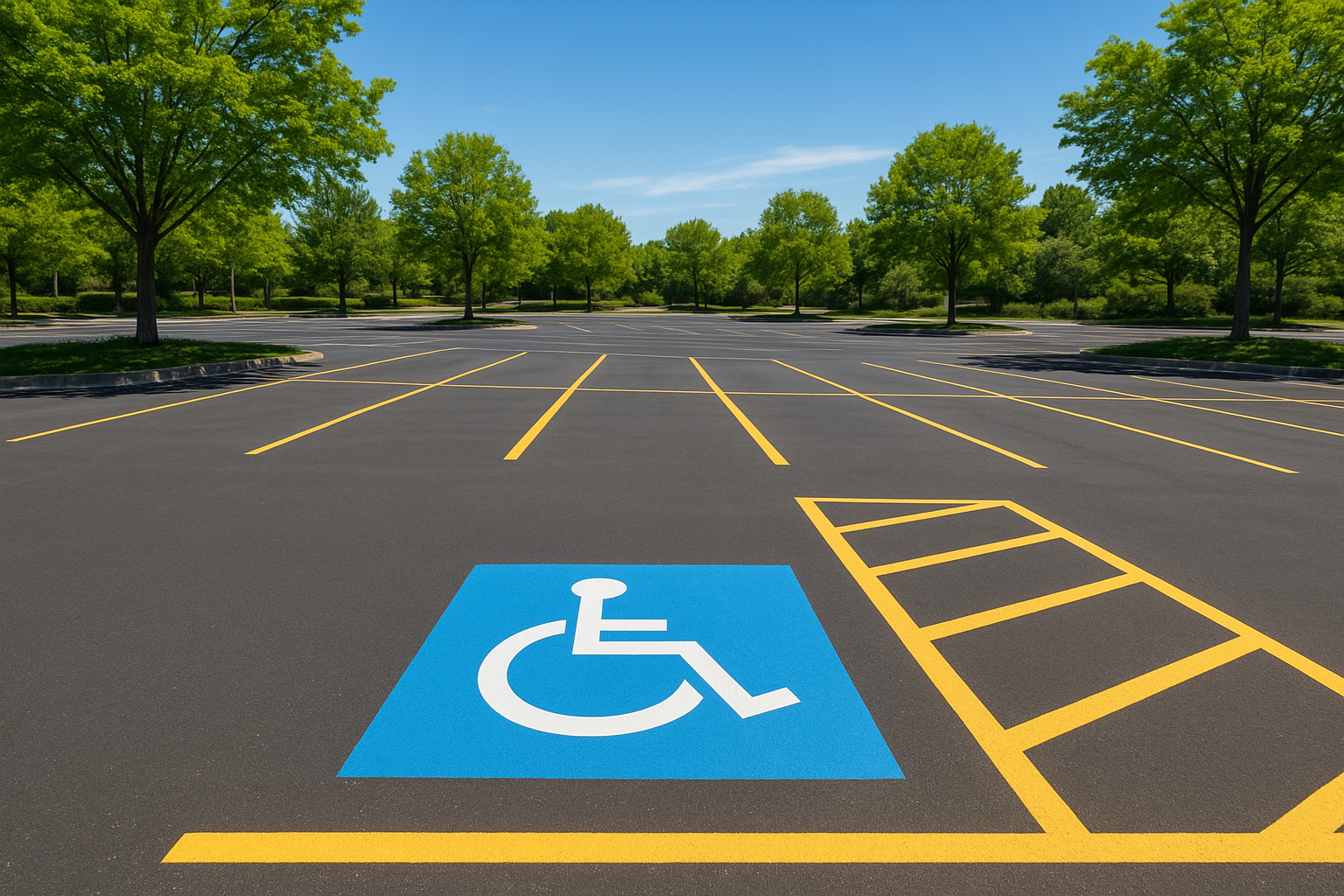
ADA-compliant markings are a core component of any professional woodland striping services engagement, protecting both visitors and property owners.
Serving North Texas Properties with Precision Striping
Stripespls.com is a full-service parking lot and facility marking company based in Texas, specializing in professional striping, ADA compliance solutions, and fire lane marking for commercial and residential properties throughout the Denton and Plano areas. The team brings precision and durability to every project, whether it involves refreshing faded markings, designing a brand-new lot layout from scratch, or laying out an interior warehouse floor plan.
Clients across the greater North Texas region — including property managers, retail centers, schools, healthcare facilities, distribution warehouses, and municipal organizations — rely on this locally operated team for reliable craftsmanship and code-compliant results. To explore the full range of available services, visit the parking lot striping page or browse the complete DFW expert line marking services overview.
How to Request a Free Striping Quote
Getting started is simple. Property owners throughout the Denton and Plano service area can request a free, no-obligation quote directly through stripespls.com. The team will assess your lot or facility’s size, current condition, and specific marking needs to provide a clear, detailed estimate with no surprises.
In addition, the company can advise on the best scheduling approach to minimize disruption to your tenants, customers, or warehouse operations. Most projects are completed within a single day, making professional striping one of the fastest and most cost-effective property upgrades available.
Quick Answer: Woodland striping services are professional parking lot and warehouse floor marking solutions that include stall striping, ADA compliance markings, fire lane designation, restriping, and interior aisle marking. They improve safety, maximize usable space, and keep properties legally compliant. Most commercial lots should be restriped every 1 to 2 years, and warehouse floor markings should be inspected annually.
Frequently Asked Questions About Woodland Striping Services
What are woodland striping services?
Woodland striping services refer to professional parking lot and interior floor marking work performed in woodland or suburban commercial areas. These services include stall striping, ADA markings, fire lane designation, directional arrows, curb painting, and warehouse aisle marking to keep properties safe and organized.
How often should a parking lot be restriped?
Most parking lots need restriping every 1 to 2 years, depending on traffic volume, weather exposure, and the type of paint used. High-traffic commercial lots may require more frequent touch-ups to maintain visibility and compliance.
What is ADA-compliant parking lot striping?
ADA-compliant striping meets the requirements of the Americans with Disabilities Act, including correct stall widths, access aisles, signage placement, and the International Symbol of Accessibility. Non-compliance can result in fines and legal liability for property owners.
How much do woodland striping services cost?
Costs vary based on lot or facility size, number of stalls or aisles, type of markings needed, and surface condition. Most commercial restriping projects range from a few hundred to several thousand dollars. Requesting a free quote is the best way to get an accurate estimate for your specific property.
How long does parking lot striping take to dry?
Water-based traffic paint typically dries within 30 minutes under normal conditions. However, full cure time can take up to 24 hours, so limiting vehicle traffic on freshly painted surfaces is strongly recommended to protect the new markings.
What types of paint are used for parking lot striping?
The two most common options are water-based latex paint and oil-based alkyd paint. Water-based paint dries faster and is more environmentally friendly, while oil-based paint tends to be more durable in high-traffic conditions.
Can striping be done on both asphalt and concrete surfaces?
Yes. Professional striping services can be applied to both asphalt and concrete surfaces. Surface preparation, including cleaning and crack sealing, is important before applying paint to ensure proper adhesion and longevity.
What is fire lane marking and why is it required?
Fire lane marking designates areas that must remain clear for emergency vehicle access. These markings are typically painted red or yellow and are required by local fire codes on commercial properties to ensure emergency responders can reach the building quickly.
What happens if a parking lot is not ADA compliant?
Property owners can face significant fines, lawsuits, and forced remediation if their parking lot does not meet ADA standards. Regular inspections and professional restriping help avoid these costly consequences and protect the property owner from liability.
How do I choose a reliable striping service provider?
Look for a company with proven experience, proper equipment, knowledge of local codes, and positive client references. A reputable provider will offer a detailed quote and clearly explain the scope of work before starting any project.
Do striping services include layout planning for new parking lots?
Yes. Many professional striping companies offer new lot layout services in addition to restriping. This includes designing stall configurations, traffic flow patterns, ADA zones, and fire lanes to maximize capacity and safety from the ground up.
What is the difference between restriping and a new lot layout?
Restriping refreshes existing faded markings following the original layout, while a new lot layout involves designing and painting an entirely new configuration. New layouts are common after resurfacing or when the current design is inefficient or non-compliant.
What is warehouse floor marking and how does it relate to woodland striping services?
Warehouse floor marking is the interior counterpart to outdoor woodland striping services. It uses paint or tape to define aisles, hazard zones, and storage areas inside a facility, keeping forklift operators, pedestrians, and inventory organized and safe.
Do woodland striping services include OSHA-compliant warehouse floor marking?
A full-service striping provider can design warehouse floor layouts that align with OSHA aisle and passageway requirements as well as ANSI Z535 color-coding standards, helping facilities pass safety inspections and reduce workplace incidents.
What is the 5S system and how does floor marking support it?
5S is a lean-manufacturing organization method built on Sort, Set in Order, Shine, Standardize, and Sustain. Floor marking supports 5S by visually outlining where every pallet, tool, and piece of equipment belongs, reducing clutter and search time.
Is floor tape or paint better for warehouse aisle marking?
Floor tape is faster to install and easier to reposition, making it ideal for facilities that change layouts often. Epoxy paint lasts longer under heavy forklift traffic, making it the better choice for permanent aisle lines.
How often should warehouse floor markings be inspected or replaced?
Warehouse floor markings should be visually inspected at least once a year and repainted or retaped whenever lines become faded, chipped, or difficult to see under normal lighting conditions.
Conclusion: Keep Your Property Safe and Compliant with Expert Striping
In summary, woodland striping services are an essential investment for any property owner who wants a safe, organized, and legally compliant parking facility or warehouse. From ADA handicap markings and fire lane designation to full lot restriping, new layout design, and OSHA-aligned warehouse floor marking, professional pavement and floor marking protects your visitors and employees, maximizes your available space, and shields you from costly code violations. Furthermore, regular maintenance of your property’s markings reflects positively on your business and sets a strong first impression for every customer who arrives. To get started with a free quote from a trusted North Texas provider of woodland striping services, visit stripespls.com today.