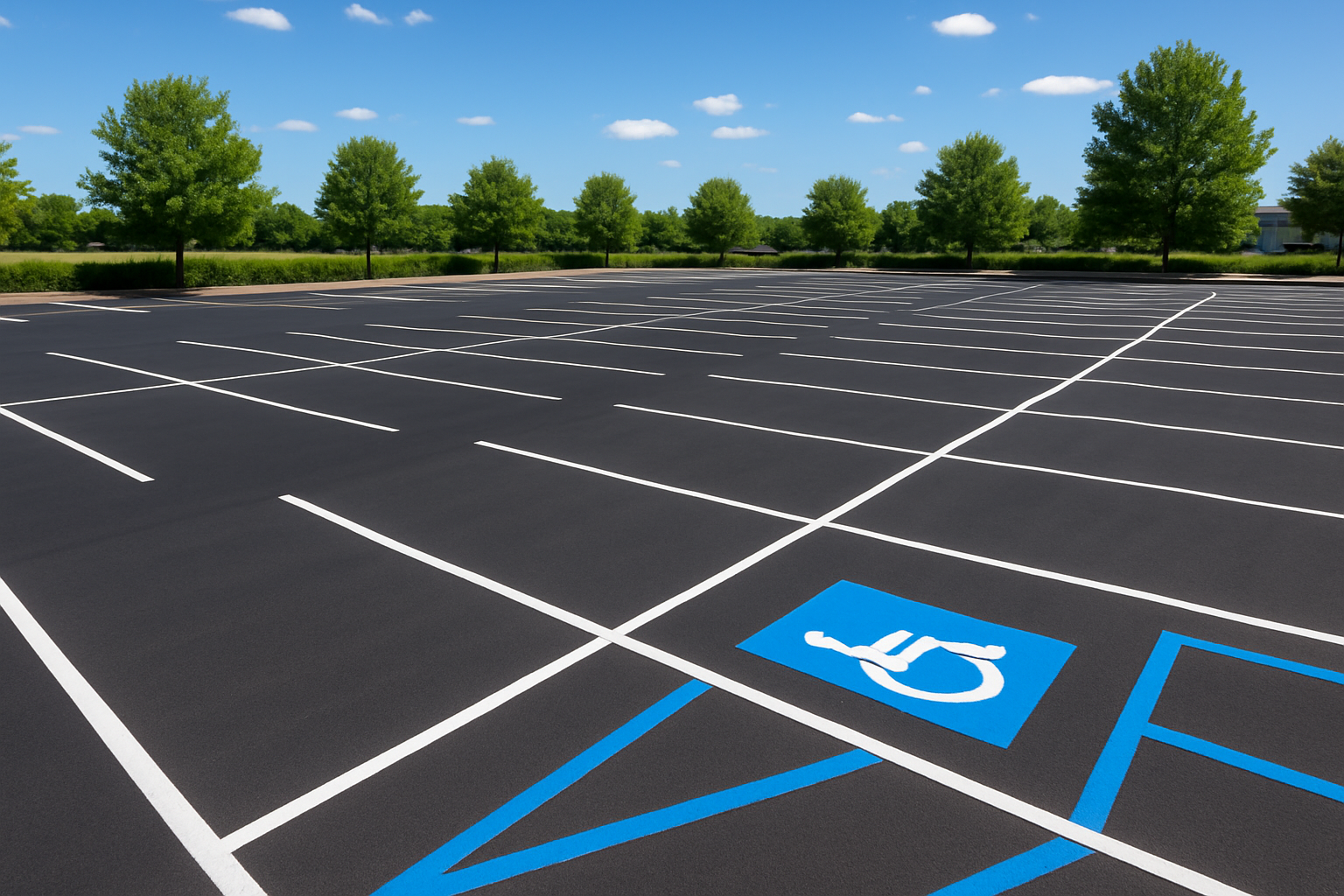
Asphalt striping is the process of applying painted or thermoplastic markings to a paved surface to define parking stalls, direct traffic flow, and communicate critical safety rules. If you manage a retail center, office park, medical facility, or any commercial property in North Texas, well-maintained lot markings are one of the most cost-effective investments you can make. According to the U.S. Department of Justice ADA portal, improperly marked accessible parking spaces can expose property owners to civil penalties starting at $75,000 for a first violation — a compelling reason to take line marking seriously.
Furthermore, faded or missing markings confuse drivers, reduce usable parking capacity, and create real liability risks. This striping services guide covers everything property managers and business owners need to know — from materials and methods to ADA requirements, cost estimates, and maintenance schedules.
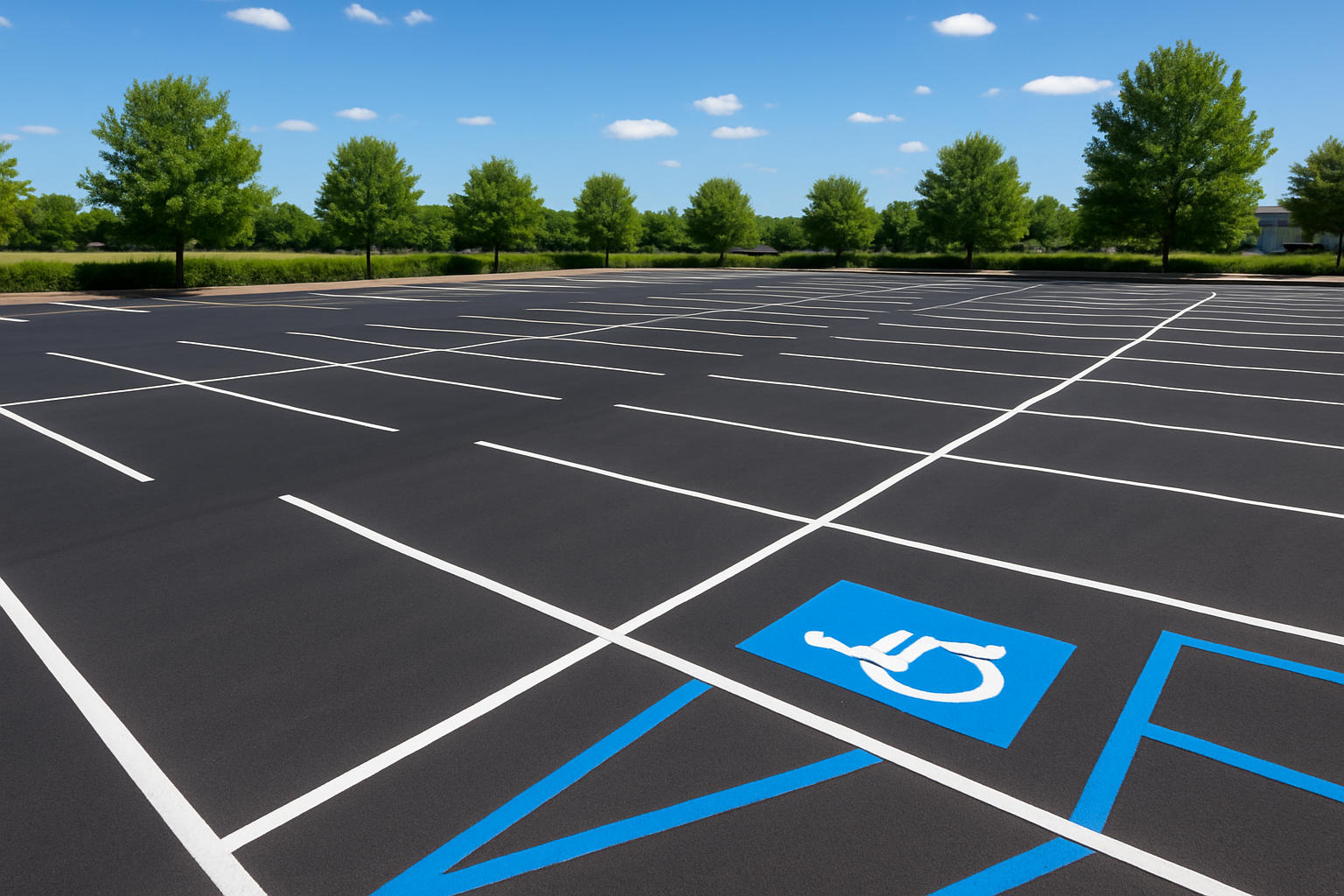
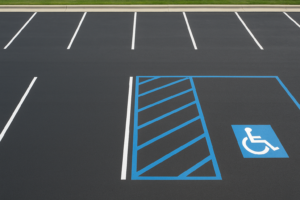
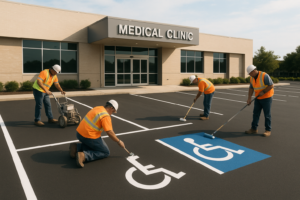
Professional asphalt striping creates clear stall boundaries and ADA-compliant accessible spaces that improve both safety and curb appeal. Learn more in our pro lot striping guide.
What Is Parking Lot Striping and Why Does It Matter?
Asphalt striping is far more than paint on pavement. It is a structured system of markings that tells drivers where to park, which direction to travel, and where they cannot stop. According to Wikipedia’s overview of pavement marking, these markings serve critical functions in managing both pedestrian and vehicle movement safely across all types of paved surfaces.
For commercial property owners, parking lot striping in Texas signals professionalism. Customers notice when lines are faded or missing. Disorganized parking leads to fewer usable stalls, slower traffic flow, and higher accident risk — all of which directly affect your business reputation and bottom line.
Therefore, maintaining clear markings is not simply an aesthetic choice. It is a legal and operational necessity for any property open to the public.
The Real Business Impact of Neglected Lot Markings
Specifically, faded striping creates compounding problems. Drivers park at odd angles, blocking extra stalls and reducing your total parking count. Emergency vehicles struggle to navigate unmarked fire lanes. Slip-and-fall and fender-bender incidents rise when pedestrian paths are unclear. In short, the cost of neglecting asphalt striping almost always exceeds the cost of routine maintenance.
In addition, freshly restriped lots consistently score higher in customer satisfaction surveys conducted by retail property managers, reinforcing that visible lot quality directly influences purchase intent. You can explore the full range of marking options through professional parking lot striping services in North Texas.
Types of Pavement Markings Used in Asphalt Striping
Not all parking lot markings serve the same purpose. In practice, a complete asphalt striping job involves several distinct marking types. Each one plays a specific role in organizing traffic and meeting code requirements.
- Stall lines: Standard white lines defining individual parking spaces. Typically 8.5 to 9 feet wide and 18 feet deep for standard vehicles.
- ADA accessible stalls: Specially sized spaces with adjacent access aisles. Marked with the International Symbol of Accessibility and subject to strict dimensional requirements.
- Van-accessible spaces: A subset of ADA stalls requiring a minimum 8-foot-wide access aisle. At least one in six accessible spaces must meet this standard.
- Fire lane markings: Red-painted curbs or bold red lines with “NO PARKING – FIRE LANE” lettering required by local fire codes. These must remain clear at all times for emergency vehicle access.
- Directional arrows: Painted arrows guiding one-way or two-way traffic flow through the lot, reducing the risk of collisions.
- Crosswalks and pedestrian zones: High-visibility striped areas that protect foot traffic paths from vehicle conflict points.
- Reserved and loading zones: Custom designations for delivery vehicles, staff parking, EV charging stations, or other specific needs.
- Stop bars and yield markings: Painted lines at lot exits and internal intersections that signal drivers to yield to pedestrians or oncoming traffic.
- Speed bump markings: High-visibility striping applied to speed humps to alert drivers to the obstacle ahead.
Consequently, a professional striping contractor must understand not just how to apply paint, but how to design a layout that satisfies both local codes and the practical needs of your property.
Paint vs. Thermoplastic: Choosing the Right Striping Material
Material selection is one of the most consequential decisions in any asphalt striping project. The two primary options are traffic paint and thermoplastic — and each has distinct advantages depending on your lot’s needs and budget.
Water-Based Latex Traffic Paint
Water-based latex paint is the most widely used material for standard parking lot striping. It dries quickly — typically within 30 minutes — is available in a range of colors, and is affordable enough for frequent reapplication cycles. However, it generally lasts one to two years before noticeable fading occurs. High-traffic areas and intense UV exposure accelerate that timeline considerably.
Oil-Based Alkyd Paint
Oil-based alkyd paint offers slightly better adhesion and durability than water-based latex. As a result, it is sometimes used in situations where longer-lasting coverage is needed without the higher cost of thermoplastic. It does require longer drying times and specific ventilation considerations during application.
Thermoplastic Striping: The Premium Choice
Thermoplastic is a heat-applied plastic compound that bonds directly to the asphalt surface. This process creates markings that are significantly more durable than any paint alternative. Thermoplastic markings can last three to seven years and are highly resistant to UV fading, vehicle wear, and weather extremes.
As a result, thermoplastic is the preferred choice for high-traffic intersections, school zones, hospital entrances, and busy commercial lots. Learn more about thermoplastic striping and decal options if your property sees heavy daily use.
In general, the upfront cost of thermoplastic is higher than paint. Nevertheless, its extended lifespan typically makes it more economical over a five-year window when restriping labor and material costs are factored in.
Quick Comparison: Paint vs. Thermoplastic
- Latex paint: Lower upfront cost, 1–2 year lifespan, fast dry time, best for low-to-medium traffic lots
- Alkyd paint: Moderate cost, slightly better adhesion, 1.5–2.5 year lifespan, longer drying time
- Thermoplastic: Higher upfront cost, 3–7 year lifespan, superior durability, ideal for high-traffic and heavy-wear surfaces
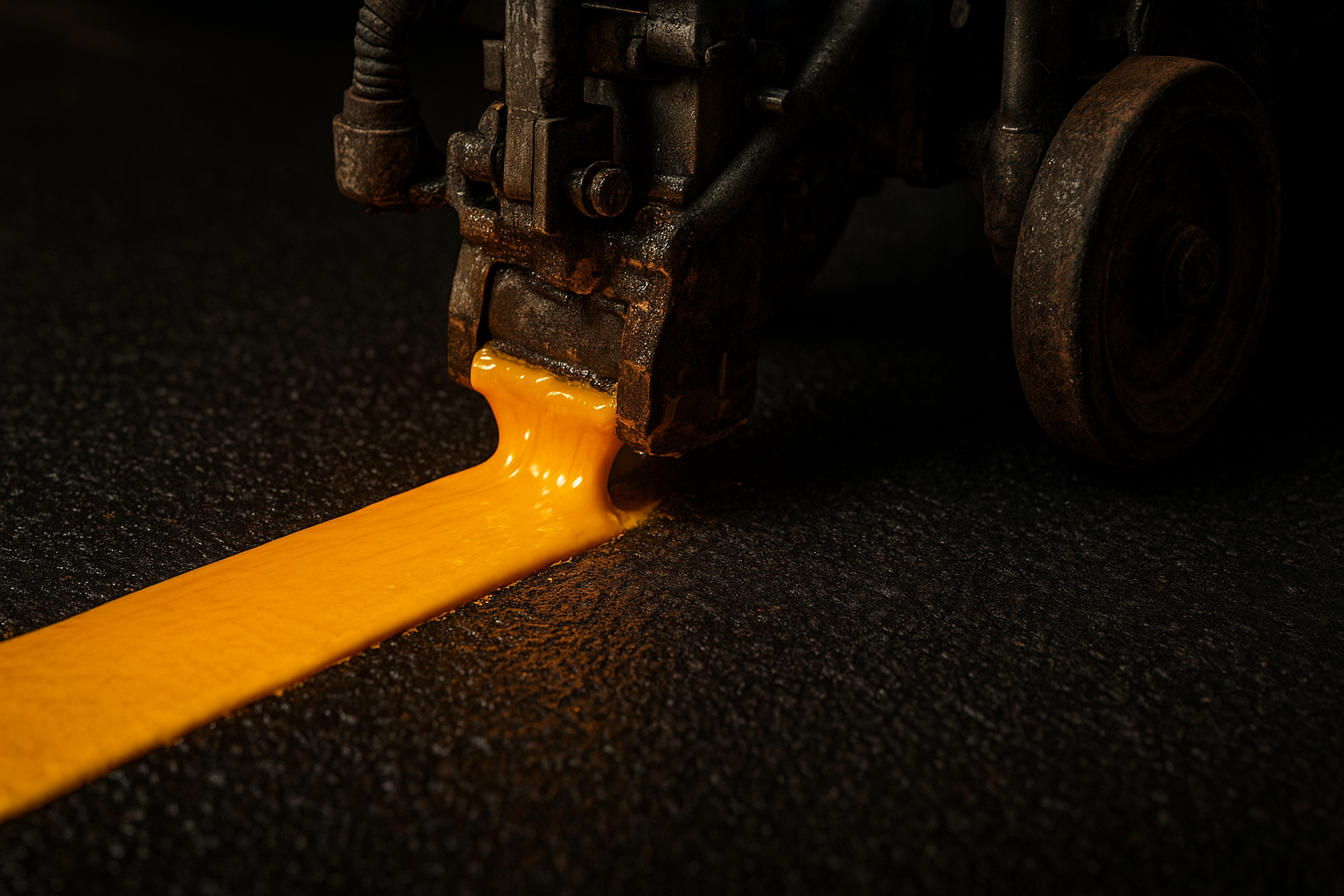
Thermoplastic striping bonds directly to the pavement surface, delivering markings that outlast standard traffic paint by several years.
ADA Compliance and Asphalt Striping Requirements
ADA compliance is a non-negotiable component of any parking lot striping project. The U.S. Access Board’s ADA Accessibility Standards specify precise requirements for accessible parking, including stall dimensions, access aisle widths, surface slopes, and signage placement. For a deeper walkthrough, see our ADA Parking Lot Compliance Texas: Complete Guide. Also review our safety compliance guide for code-focused planning.
Minimum ADA Parking Space Ratios
Specifically, the ADA requires one accessible space per 25 total spaces for lots with 1 to 100 stalls. For lots with 101 to 150 stalls, two accessible spaces are required, and the ratio continues to scale upward with lot size. At least one in every six accessible spaces must be van-accessible, featuring a minimum 8-foot-wide access aisle.
ADA Striping Dimensions and Signage
Standard accessible stalls must be at least 8 feet wide with a 5-foot adjacent access aisle. Van-accessible stalls must include an 8-foot access aisle. Additionally, the ADA requires the International Symbol of Accessibility to be clearly painted on the pavement surface, and a vertical sign must be posted at the head of each accessible space at a minimum height of 60 inches from the ground to the bottom of the sign.
Furthermore, accessible routes connecting the parking stalls to the building entrance must have a slope no greater than 1:48 in all directions. This is a detail that many property owners overlook during asphalt striping projects, yet it is equally enforceable under ADA standards.
Consequences of Non-Compliance
Failure to meet ADA standards can result in formal complaints, DOJ investigations, and significant civil penalties. Moreover, accessible parking is not just a legal requirement — it is a basic accommodation that allows customers and employees with disabilities to safely use your facility. Getting this right during every asphalt striping project protects both your tenants and your investment.
How to Plan and Complete an Asphalt Striping Project
A professional striping job follows a systematic process. Here is a step-by-step overview of what a quality asphalt striping project looks like from start to finish.
- Assess the current lot condition. Walk the entire parking lot and document faded markings, damaged pavement, drainage issues, and any ADA or fire lane areas needing attention before planning new striping. Note any areas where sealcoating has occurred recently, as fresh sealcoat requires a 30-day cure before striping.
- Create a detailed layout plan. Sketch or digitally map the desired stall configuration, traffic flow directions, ADA spaces, van-accessible spaces, fire lanes, pedestrian crossings, and any special markings such as reserved or loading zones. Confirm the plan aligns with local municipal code and ADA ratio requirements. See our parking lot layout design guide for templates and measurement best practices.
- Clean and prepare the pavement surface. Thoroughly sweep and blow debris from the asphalt, pressure-wash oil stains where possible, and allow the pavement to dry completely before any paint or thermoplastic is applied. Surface contamination is a leading cause of premature striping failure.
- Apply layout measurements and chalk snap lines. Use measuring tapes and chalk snap lines to mark the precise positions of each stall, aisle, and symbol according to your layout plan. Double-check all ADA dimensions and fire lane widths before proceeding.
- Stripe the lot with professional equipment. Using a calibrated line striping machine loaded with the appropriate paint or thermoplastic material, apply all markings in systematic order — stall lines first, then symbols, lettering, and specialty markings last. This sequence minimizes overspray and improves precision.
- Allow proper drying time and perform a final inspection. Allow paint to dry fully before reopening the lot — typically 30 to 60 minutes for latex paint, longer for oil-based and thermoplastic materials. Inspect all markings for coverage, straightness, dimensional accuracy, and code compliance before signing off on the project.
Following this process consistently ensures accurate, durable results the first time. You can view completed projects in the striping project gallery to get a clear sense of what professional results look like.
When Should You Restripe Your Parking Lot?
Even high-quality asphalt striping fades over time. Therefore, regular inspection and timely restriping are essential maintenance tasks for any property owner.
- Stall lines are faded to the point where drivers frequently park incorrectly or at angles.
- ADA symbols and access aisle markings are no longer clearly visible or dimensionally accurate.
- Fire lane markings have worn away, creating a potential fire code violation and emergency access risk.
- Directional arrows are no longer legible, causing driver confusion and near-miss incidents.
- The lot has been recently resurfaced or seal-coated, requiring fresh markings over the new surface.
- You have added new structures, curbing, or islands that alter the original lot layout.
As a general rule, most commercial lots should be inspected every 12 to 18 months; see our striping resources for inspection checklists and scheduling guidance. High-traffic properties — such as grocery stores, hospitals, or schools — may need restriping annually. In contrast, lower-traffic facilities might go two to three years between full restriping jobs.
Seasonal Timing for Asphalt Striping in Texas
In North Texas, the best time to stripe is during mild weather — typically spring or early fall. Extreme summer heat above 95°F causes paint to dry too quickly, reducing adhesion quality and line definition. Similarly, cold fronts in winter slow curing and can affect line clarity and bonding. Consequently, scheduling your striping project during moderate temperature windows — between 50°F and 90°F — gives you the best adhesion and longest-lasting results.
Additionally, avoid scheduling striping on days with predicted rain within 24 hours, as wet pavement prevents proper paint adhesion and can wash fresh markings before they cure.
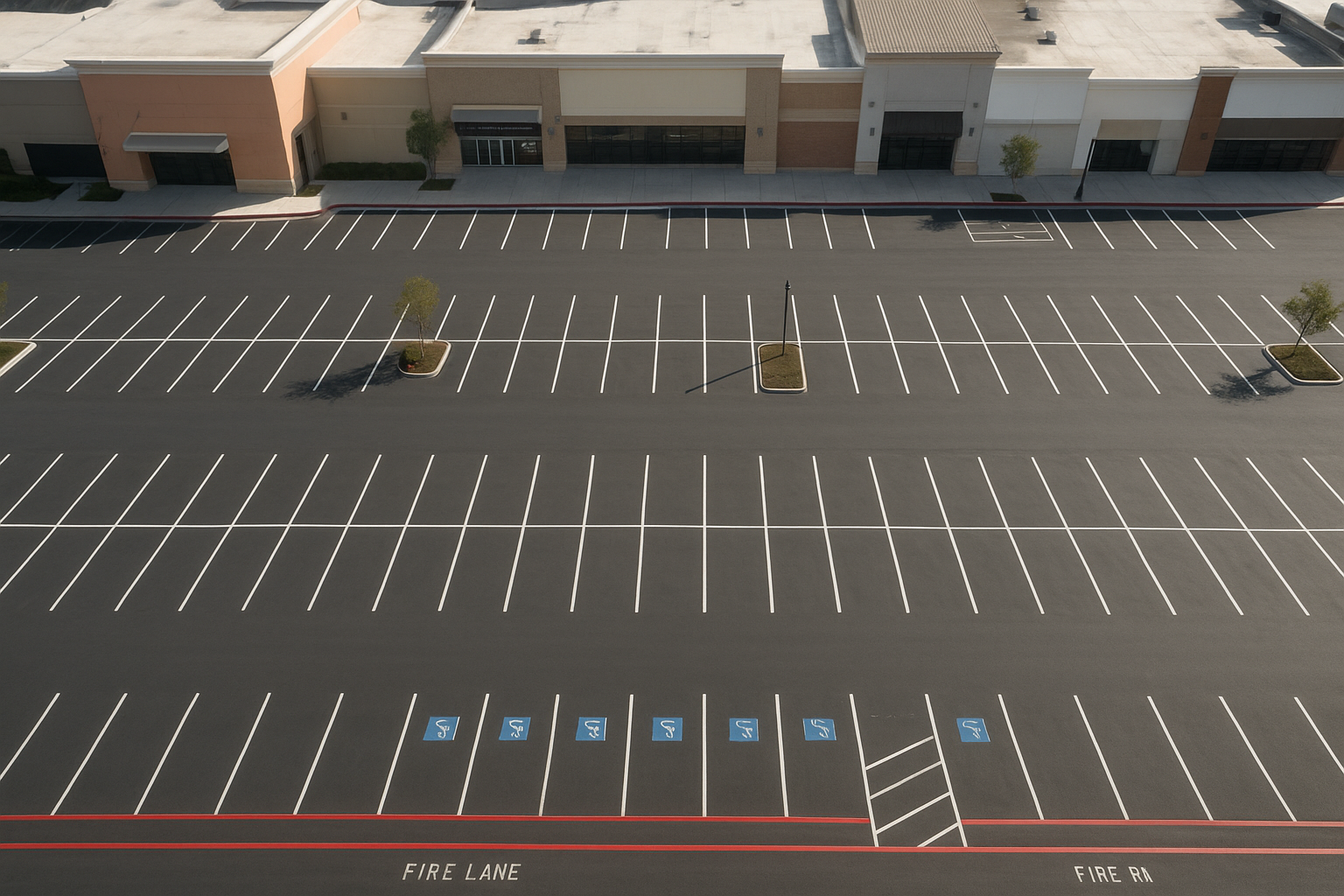
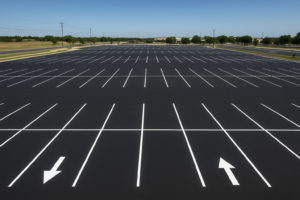
An aerial view shows how comprehensive asphalt striping organizes traffic flow and maximizes usable parking capacity across a large commercial lot.
How Much Does Asphalt Striping Cost?
Cost is naturally one of the first questions property owners ask. Pricing for asphalt striping varies based on several factors, including lot size, number of stalls, type of markings required, material selected, and regional labor rates.
Typical Pricing Ranges for Parking Lot Striping
- Small lot (up to 50 stalls), paint restripe: $300 – $700
- Medium lot (50–150 stalls), paint restripe: $700 – $1,800
- Large lot (150–300+ stalls) with ADA and fire lane markings: $2,000 – $5,000+
- Thermoplastic application (any lot size): 2x to 3x the cost of paint, offset by 3–7 year lifespan
- New lot layout (no existing markings): Generally 20–30% higher than restripe pricing due to full measurement and layout work
However, these are general benchmarks. Actual pricing depends on local labor rates, project complexity, number of specialty symbols, and any access or scheduling constraints at your property. The most reliable way to understand your project cost is to request a free, site-specific quote.
What Affects the Price Per Stall?
Per-stall pricing in North Texas typically ranges from $4 to $12 for a standard restripe with paint. Thermoplastic pricing per stall runs $15 to $30 or more. Specialty markings — ADA symbols, fire lane lettering, arrows, and stop bars — are generally quoted as add-ons or included in a project flat rate depending on the contractor’s pricing model.
Stripespls.com serves property owners throughout Denton, TX and surrounding areas and provides transparent, no-obligation estimates for every project, with clear line-item breakdowns so you always know what you are paying for.
Fire Lane Striping: Requirements and Importance
Fire lane striping is a distinct and legally mandated component of any commercial parking lot. Local fire codes — typically based on standards published by the National Fire Protection Association (NFPA) — require designated fire access zones to remain clear at all times.
Specifically, fire lanes are typically marked with red-painted curbing, bold red lines on the pavement surface, or both, combined with “NO PARKING – FIRE LANE” lettering. The exact requirements vary by municipality. However, the core function is universal: fire apparatus must be able to access all sides of a structure within 150 feet without obstruction.
Furthermore, fire lane violations carry separate fines from ADA violations and are typically enforced at the municipal level. Keeping fire lane markings fresh and legible is therefore an ongoing operational responsibility, not just a one-time project.
Parking Lot Striping for Different Property Types
Different types of properties have unique asphalt striping requirements. Understanding these distinctions helps ensure that your lot design meets all relevant codes and serves your specific tenant or customer base effectively.
Retail and Shopping Centers
Retail lots require maximum stall density combined with clear directional flow. Additionally, fire lanes must be positioned per code, and ADA stalls must be located closest to accessible building entrances. Cart corral zones and designated loading areas add further complexity to the layout.
Medical Facilities and Hospitals
Healthcare facilities typically require a higher ratio of accessible stalls than the ADA minimum. Furthermore, patient drop-off zones, ambulance access lanes, and emergency vehicle staging areas require specialized markings that go well beyond standard stall lines.
Schools and Educational Campuses
School lots must accommodate buses, parent drop-off queues, staff parking, and student pedestrian crossings — often simultaneously. As a result, clear directional arrows, bold crosswalk markings, and designated bus lane striping are essential safety elements for any educational campus.
Warehouses and Industrial Properties
Industrial facilities need heavy-duty striping that can withstand forklift traffic and constant heavy vehicle movement. Thermoplastic is almost always the preferred material in these environments. In addition, interior warehouse floor markings, safety zones, and pedestrian pathways may be part of the overall asphalt striping scope.
Choosing a Professional Asphalt Striping Contractor in North Texas
Not all striping contractors deliver the same quality. When evaluating providers, look for a company that uses calibrated professional-grade equipment, demonstrates proven experience with Parking Lot Striping in Dallas ADA and fire lane requirements, and can show a portfolio of completed commercial work.
Specifically, ask potential contractors about their measurement process, whether they pull permits when required, how they handle surface prep, and what warranty or return policy they offer if markings fail prematurely. A reputable contractor will answer these questions confidently and thoroughly.
Stripespls.com is a full-service parking lot marking company based in Texas. The team serves commercial and residential properties throughout Denton, Plano, and greater North Texas. Services include new lot layouts, restriping faded markings, thermoplastic applications, ADA compliance upgrades, fire lane designation, directional arrows, and complete parking lot refreshes. Property managers, retail centers, schools, healthcare facilities, and municipal organizations throughout the region trust this locally operated business for reliable, code-compliant results. Author: Stripes PLS. Last updated: 2026-08-11.
Furthermore, working with a local contractor means faster response times, direct familiarity with North Texas municipal codes, and accountability to the community they serve. Visit stripespls.com to request your free, no-obligation quote today.
Frequently Asked Questions About Asphalt Striping
What is asphalt striping?
Asphalt striping is the process of painting or applying thermoplastic markings to a paved surface to organize traffic flow, define parking spaces, and communicate safety rules. It includes stall lines, fire lane markings, ADA symbols, directional arrows, crosswalks, and more.
How long does asphalt striping last?
Asphalt striping typically lasts 1 to 2 years for standard latex paint and 3 to 7 years for thermoplastic. Traffic volume, climate, UV exposure, and pavement surface condition all affect lifespan. High-traffic lots in Texas may need annual restriping with paint.
What type of paint is used for parking lot striping?
The three main options are water-based latex paint, oil-based alkyd paint, and thermoplastic. Latex is the most common choice for standard commercial lots. Thermoplastic is the premium option for high-traffic or high-wear surfaces due to its superior durability and bond strength.
How much does asphalt striping cost?
A small 50-stall lot typically costs $300 to $700 to restripe with paint. Medium lots run $700 to $1,800, and large lots with ADA and fire lane markings can reach $2,000 to $5,000 or more. Thermoplastic costs 2x to 3x more upfront but lasts significantly longer.
Do I need a permit for parking lot striping in Texas?
In most cases, restriping an existing lot does not require a permit. However, new lot layouts or significant changes to traffic flow or stall configuration may require approval from local authorities. Always verify with your municipality before starting any significant striping project.
How do I know when my parking lot needs restriping?
If stall lines are faded, ADA symbols are unclear, drivers are parking crooked, or fire lane markings are worn away, it is time to restripe. Inspect your lot every 12 to 18 months as a standard maintenance practice.
What ADA requirements apply to parking lot striping?
ADA standards require accessible stalls in proportion to total lot size, with specific stall widths, access aisle dimensions, slope requirements, and the International Symbol of Accessibility painted on the surface. Vertical signage at 60 inches minimum height is also mandatory at each accessible space.
Can asphalt striping be done on a freshly paved lot?
Yes, but new asphalt should cure for at least 30 days before striping is applied. Applying markings too soon causes adhesion problems and premature peeling. For freshly seal-coated surfaces, a 24- to 48-hour cure time before striping is generally sufficient.
What is thermoplastic striping and how is it different from paint?
Thermoplastic striping uses a heat-applied plastic compound that melts and bonds directly to the pavement surface. It is far more durable than paint, lasts 3 to 7 years, resists UV fading, and withstands heavy vehicle traffic far better than standard latex or alkyd paint.
How long does it take to stripe a parking lot?
Most standard commercial parking lots can be striped in a single day. Larger or more complex projects with extensive custom markings, thermoplastic applications, or phased scheduling may take two to three days to complete fully.
What is the difference between fire lane marking and regular striping?
Fire lane markings are red-painted curbs or bold pavement lines with “NO PARKING – FIRE LANE” lettering that designate areas that must remain clear for emergency vehicle access. Regular striping defines parking stalls, traffic lanes, and pedestrian paths. Fire lane markings are governed by local fire codes and the NFPA.
Does weather affect parking lot striping quality?
Yes. Paint should not be applied in rain, temperatures above 95°F, or below 50°F. Ideal conditions promote proper adhesion and curing. In North Texas, spring and early fall offer the best temperature windows for durable, long-lasting asphalt striping results.
Conclusion: Why Asphalt Striping Is a Smart Property Investment
In summary, asphalt striping is a foundational element of any well-maintained commercial property. It improves traffic flow, maximizes parking capacity, ensures ADA and fire code compliance, and creates a professional first impression for every visitor who pulls into your lot. Whether you need a complete new lot layout, fresh parking lot striping, thermoplastic applications, or ADA-compliant accessible stalls, partnering with an experienced local contractor makes all the difference. Property owners throughout Denton, Plano, and greater North Texas can contact stripespls.com to request a free, no-obligation quote and take the first step toward a cleaner, safer, and fully code-compliant parking facility.