Long-lasting line striping is one of the smartest investments a property owner can make in parking lot safety, organization, and curb appeal. When markings fade, chip, or vanish, drivers get confused, traffic flow breaks down, and properties risk falling out of compliance with ADA and fire lane regulations. Understanding what actually makes pavement markings durable — from the paint chemistry to the application technique — can save you thousands of dollars over the life of your property.
In North Texas, intense UV exposure and wide temperature swings put extra stress on every parking lot surface. As a result, durability isn’t a luxury — it’s a necessity. This guide covers everything you need to know about achieving genuinely durable line striping, including material science, application equipment, compliance rules, cost comparisons, and a full maintenance plan that most articles on this topic simply skip.
What Is Long-Lasting Line Striping?
Long-lasting line striping is the application of pavement markings — using high-performance traffic paint, epoxy, thermoplastic, or polyurea — engineered to resist fading, cracking, and wear for years rather than months. Unlike bargain traffic paint that starts chalking within a single Texas summer, premium striping solutions maintain sharp visibility and structural integrity through repeated traffic, rain, and UV bombardment.
According to the Federal Highway Administration, pavement markings are a critical part of guiding drivers safely through roadways and parking areas. For commercial properties, well-maintained markings aren’t optional — they are a core piece of site safety and legal compliance, and the specific standards for shape, width, and color are documented in the Manual on Uniform Traffic Control Devices (MUTCD).
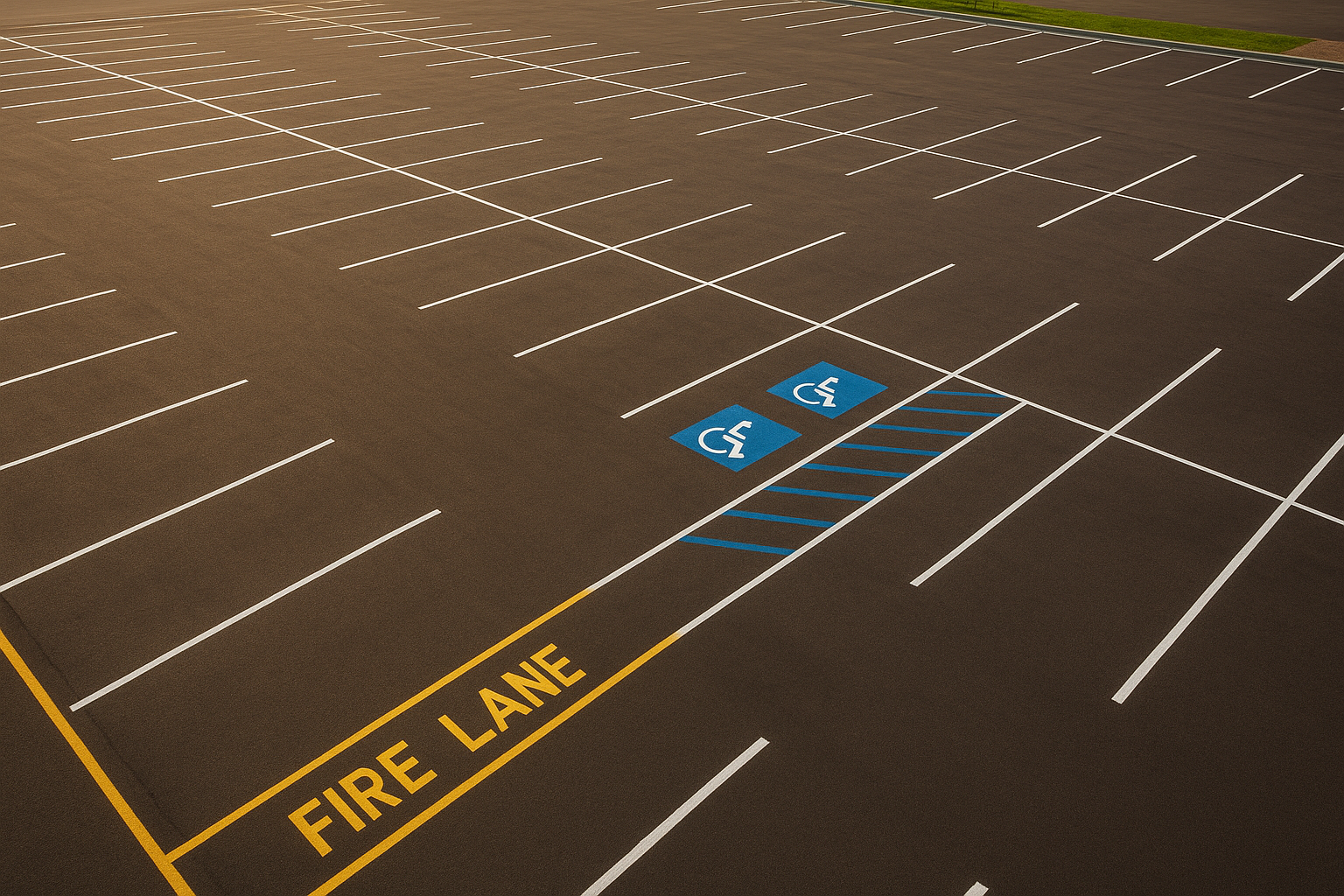
Professionally applied long-lasting line striping dramatically improves parking lot safety, organization, and compliance. For a deeper walkthrough, see our Line Marking Services for Parking Lots | stripespls.com.
Why Long-Lasting Line Striping Matters More Than You Think
Faded or missing markings create real risk. Drivers struggle to find stall boundaries, pedestrian crossings become invisible, and fire lanes lose their legal enforceability the moment they’re no longer clearly visible. Furthermore, ADA-compliant spaces that become illegible can expose owners to significant penalties under federal law.
In addition to safety concerns, poor-quality striping simply costs more over time. Repainting a lot every single year is far more expensive than investing once in a premium application that holds up for three to seven years. Therefore, choosing durable materials and an experienced contractor from the start is a financially sound decision, not just a cosmetic one.
For property managers in the Denton and Plano areas, understanding what to look for in a reliable striping service is the first step toward protecting that investment for the long haul.
Traffic Paint and Striping Materials Compared: Finding Long-Lasting Durability
Not all striping products are created equal. Specifically, five materials dominate the commercial market, and each offers a different balance of cost, cure time, and durability.
Water-Based vs. Solvent-Based Traffic Paint
Water-based traffic paint (also called latex traffic paint) is the most common and affordable option. It dries fast, meets modern low-VOC standards, and typically lasts 1 to 2 years in moderate-traffic environments. Solvent-based traffic paint, on the other hand, cures harder and once offered better durability — however, it releases significantly higher volatile organic compounds (VOCs), and the U.S. Environmental Protection Agency has pushed many states to restrict its use. Consequently, most professional striping contractors now default to water-based or hybrid formulas that balance compliance with performance.
Epoxy, Thermoplastic, and Polyurea: The Premium Tier
Epoxy striping is a two-part chemical coating that bonds tightly to pavement and resists chemical spills, making it popular for airport and industrial applications. Thermoplastic striping — a heated polymer compound melted and applied directly onto the surface — is thicker, more reflective, and can last 3 to 7 years. Finally, polyurea is a newer, ultra-fast-curing material that hardens in minutes and offers exceptional abrasion resistance, though at a higher price point. In contrast to standard paint, all three of these premium materials are engineered specifically for long-lasting line striping in high-traffic or high-UV conditions.
Learn more about thermoplastic striping and decals available for commercial properties throughout North Texas.
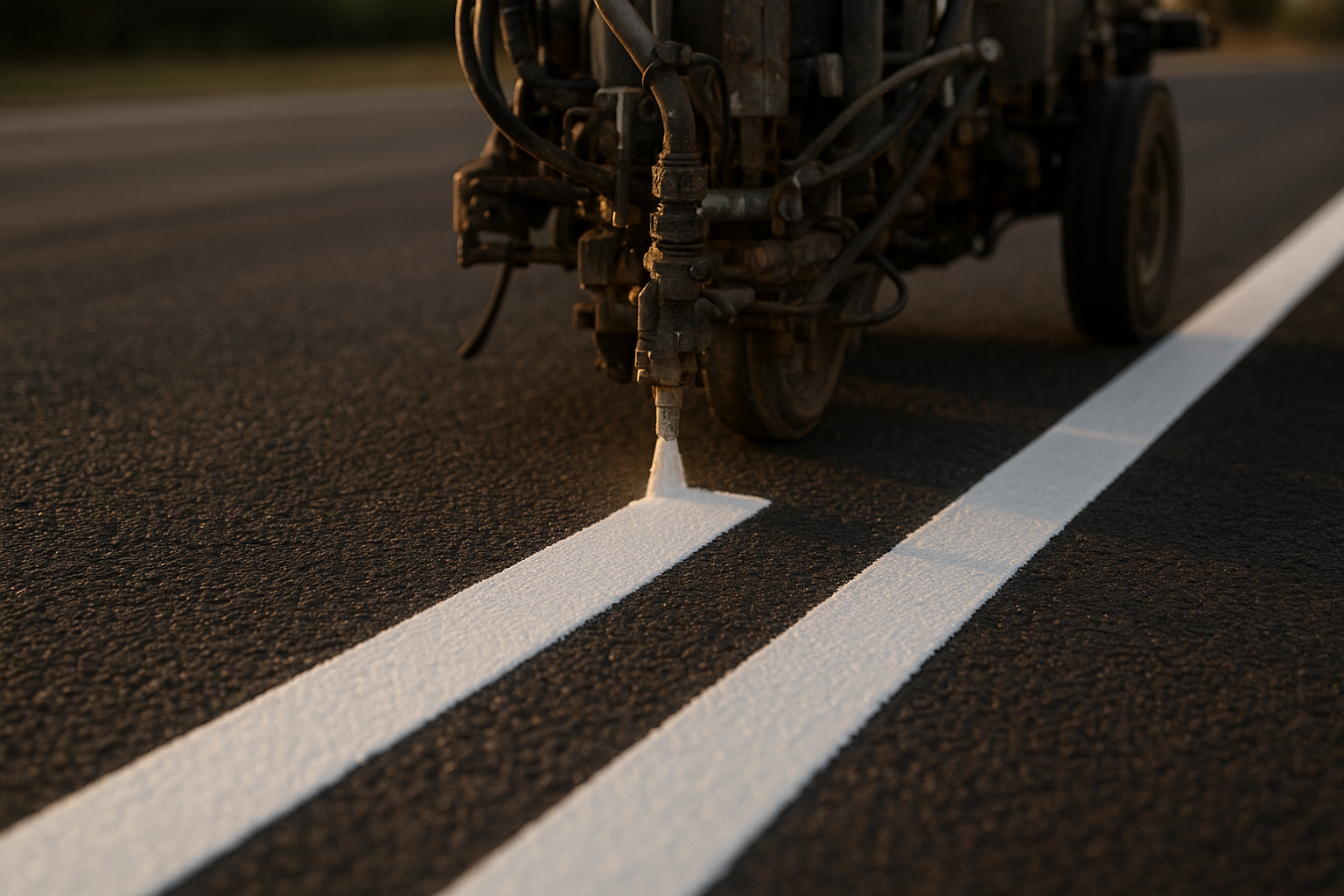
Thermoplastic application bonds directly into the pavement surface, producing long-lasting pavement markings that outlast standard paint by several years.
Reflective Glass Beads and Nighttime Visibility
Most professional-grade traffic paint and thermoplastic markings incorporate tiny glass beads embedded into the surface while it’s still wet. These beads act like miniature reflectors, bouncing headlight beams back toward the driver — a property known as retroreflectivity. Without beads, even a fresh coat of paint can become nearly invisible after dark, which is exactly why reflective additives matter so much for long-lasting line striping in parking lots with overnight traffic.
Color Standards and Regulatory Compliance
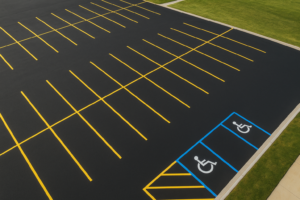
Color isn’t arbitrary. White typically marks standard parking stalls, blue designates ADA-accessible spaces, and red or yellow indicates fire lanes and no-parking zones. The Occupational Safety and Health Administration (OSHA) and local fire codes both weigh in on acceptable colors and placements, so it’s worth confirming requirements with your local authority before any repainting project begins.
Key Factors That Determine Line Striping Durability
Several variables influence how long parking lot markings actually last. Specifically, the following factors have the greatest impact:
- Material type: Thermoplastic and polyurea last 3–7 years; standard paint lasts 1–2 years.
- Surface preparation: Clean, repaired pavement dramatically improves adhesion.
- Traffic volume: High-traffic drive lanes and entry points wear down markings faster than end-row stalls.
- UV and heat exposure: Texas sun accelerates fading in lower-grade materials.
- Application conditions: Temperature and humidity at the time of application affect curing and bonding.
- Line thickness and width: Thicker mil builds and standard 4-inch or 6-inch widths hold up better under repeated tire contact.
- Maintenance schedule: Regular inspections and timely touch-ups extend overall longevity.
Consequently, no single factor alone determines durability. Instead, it’s the combination of quality materials, proper preparation, correct application width, and professional technique that produces results that truly last.
How to Achieve Long-Lasting Line Striping: A Step-by-Step Process
Achieving genuinely durable markings requires more than rolling a machine across the pavement. In fact, preparation and planning matter just as much as the application itself. Follow these five steps to maximize results:
- Inspect and prepare the surface. Thoroughly clean the pavement, removing dirt, oil, and loose debris, then repair cracks and potholes before applying any markings since damaged pavement causes striping to fail prematurely.
- Choose the right striping material. Select water-based paint, epoxy, thermoplastic, or polyurea based on your traffic volume, budget, and local climate; in high-heat regions like North Texas, thermoplastic offers significantly greater durability.
- Plan the layout and measurements. Map out stall dimensions, ADA-compliant spaces, fire lanes, directional arrows, and crosswalks according to local code and MUTCD width requirements before any material touches the pavement.
- Apply striping under optimal conditions. Apply markings when temperatures sit between 50°F and 90°F and the surface is completely dry, avoiding rain, high humidity, or extreme heat that can weaken adhesion and curing.
- Schedule regular maintenance inspections. Inspect markings at least once per year to catch fading or heavy wear early, since proactive restriping on a consistent schedule extends overall lifespan and keeps your property compliant.
ADA Compliance and Fire Lane Marking: Non-Negotiable Details
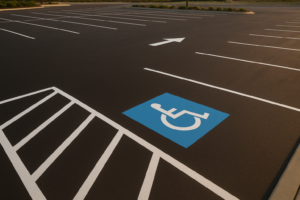
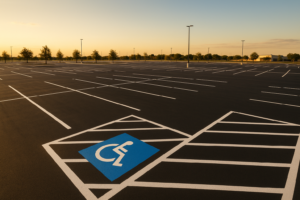
Beyond general stall lines, certain markings carry serious legal weight. ADA-compliant handicap spaces must meet specific dimensional requirements — including minimum stall width and access aisle size — and must display the International Symbol of Accessibility in a clearly visible, properly sized format. Failure to maintain these markings can result in federal fines and legal liability.
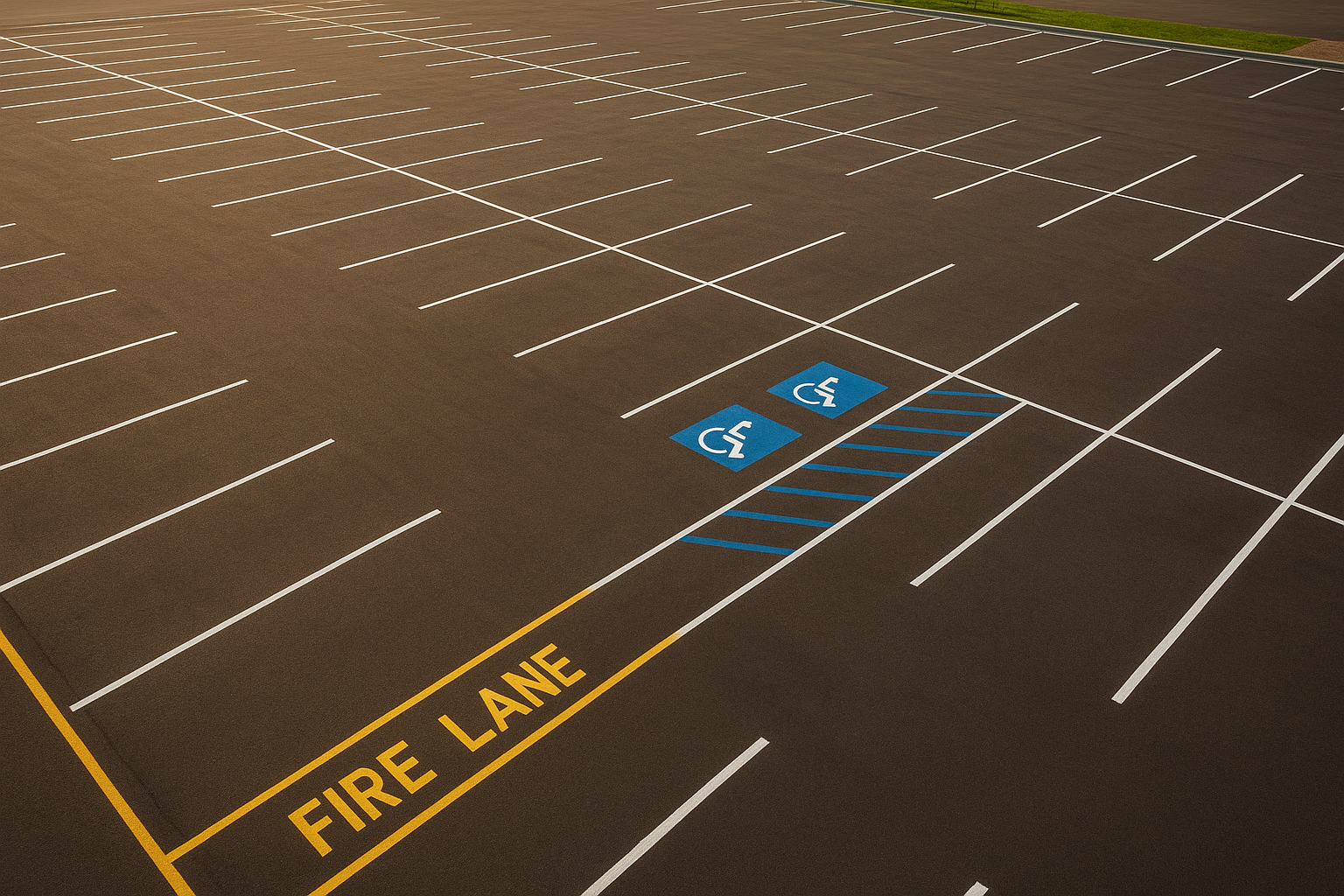
Similarly, fire lane markings must stay highly visible at all times so emergency vehicle access is never obstructed. Local fire codes in Texas specify the required color, width, and placement of these markings. As a result, regular inspection of fire lane lines isn’t just good practice — it’s a legal obligation for most commercial properties.
For properties that need a full refresh of these critical markings, professional restriping services can restore compliance quickly and efficiently.
How Durable Markings Improve Traffic Flow
Clear, well-maintained pavement markings do more than define parking spaces — they actively guide drivers through the lot, reducing confusion and minimizing collision risk. Directional arrows, stop bars, and crosswalk lines all work together to create a logical traffic pattern drivers can follow intuitively.
When markings fade or disappear, drivers improvise — and that improvisation leads to bottlenecks, near-misses, and frustrated customers. Therefore, investing in long-lasting line striping is also an investment in the overall customer experience at your property. Discover how line striping can improve traffic flow in parking lots and why it matters for your business.
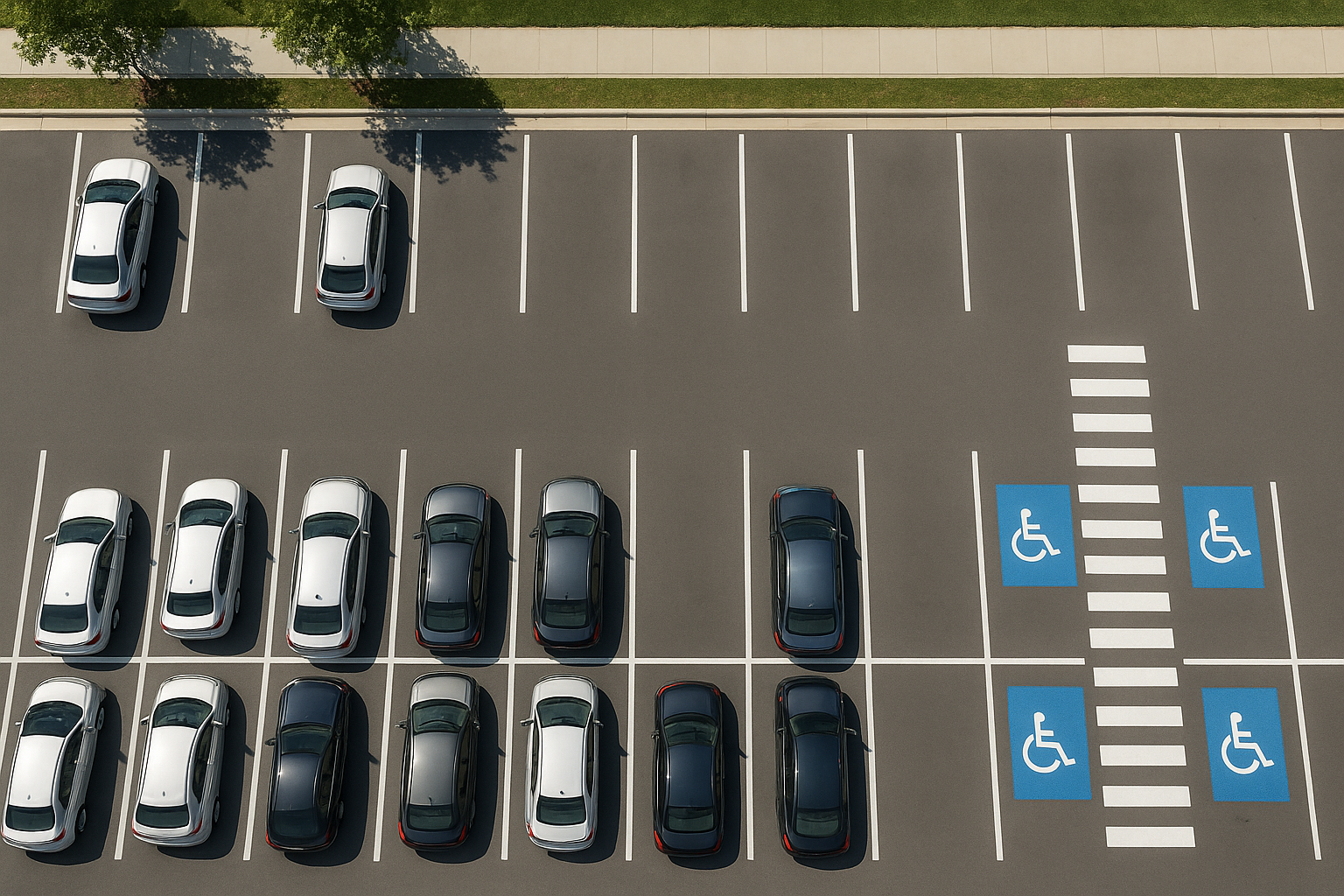
Well-planned, durable pavement markings guide drivers safely and efficiently through commercial parking areas.
Thermoplastic Striping for North Texas Properties
For property owners in the Denton and Plano areas, thermoplastic striping represents the gold standard in long-lasting line striping durability. Intense Texas sun, combined with high summer temperatures and occasional winter freezes, creates a genuinely tough environment for standard paint. Thermoplastic, however, is specifically engineered to handle these extremes.
Furthermore, thermoplastic markings apply to both asphalt and concrete, making them versatile across commercial and municipal properties. Schools, healthcare facilities, retail centers, and municipal lots throughout North Texas have all benefited from this more resilient solution. Explore the advantages of thermoplastic striping for long-lasting visibility in the Lewisville, TX area and surrounding communities.
Stripespls.com provides both standard paint striping and thermoplastic options for commercial and residential properties throughout the greater North Texas region. Their team recommends the right solution based on each property’s specific traffic patterns, surface condition, and budget. You can request a free quote directly through their website to get started.
Professional Application Equipment and Techniques
Equipment choice matters almost as much as material choice. Walk-behind striping machines work well for small lots and tight spaces, while truck-mounted airless spray systems cover large commercial properties far more efficiently and with more consistent line width. In particular, airless systems atomize paint under high pressure, producing a cleaner edge and more even mil thickness than a hand roller ever could.
Standard stall lines typically measure 4 inches wide, while crosswalks, fire lanes, and accessible aisles often require 6-inch or wider markings under local code. Consequently, a contractor’s equipment calibration directly affects whether your long-lasting line striping meets inspection standards on the first attempt.
Cost Comparison: Paint vs. Thermoplastic Over Five Years
Upfront price tells only part of the story. Here’s how the two most common options compare across a typical five-year ownership period:
- Standard water-based paint: Lower cost per application, but typically needs reapplication 2–3 times within five years, which adds labor and downtime costs each cycle.
- Thermoplastic striping: Higher upfront cost, but often needs zero to one reapplication within the same five-year window, reducing long-term labor and material spend.
- Hidden savings: Fewer repaint cycles mean less lot closure time, fewer customer disruptions, and reduced risk of compliance gaps between applications.
In short, thermoplastic’s higher sticker price is frequently offset — and often surpassed — by savings in labor, downtime, and compliance risk over the life of the pavement.
Common Mistakes That Shorten Striping Lifespan
Even premium materials underperform when application errors happen. Specifically, these mistakes consistently reduce the lifespan of parking lot markings:
- Skipping surface cleaning and crack repair before application
- Applying paint in wet, excessively humid, or extreme heat conditions
- Using low-grade or diluted paint to cut costs
- Failing to allow adequate curing time before reopening the lot to traffic
- Applying incorrect line widths that fail local code on inspection
- Neglecting annual inspections and delaying restriping until markings are nearly invisible
In contrast, properties that follow a proactive maintenance schedule and invest in quality materials from the start consistently enjoy markings that stay clear and compliant far longer than the industry average.
A Simple Maintenance Checklist for Longer-Lasting Results
Above all, consistency beats intensity when it comes to upkeep. Walk the lot every quarter to spot early fading near entrances and drive lanes. Then, schedule a full inspection annually, sweep debris after major storms, and address oil stains quickly since petroleum products break down paint binders faster than sunlight alone.
Frequently Asked Questions About Long-Lasting Line Striping
What is long-lasting line striping?
Long-lasting line striping refers to pavement markings applied with high-quality paint, epoxy, thermoplastic, or polyurea materials designed to resist fading, cracking, and wear for an extended period. These markings appear in parking lots, fire lanes, and roadways to maintain safety and organization.
How long does parking lot line striping typically last?
Standard water-based paint striping typically lasts 1 to 2 years under normal traffic and weather conditions. Thermoplastic and polyurea striping, however, can last 3 to 7 years, making them a more durable and cost-effective long-term option.
What factors affect how long line striping lasts?
Key factors include the type of material used, surface preparation quality, traffic volume, UV exposure, line thickness, and regional weather conditions. In Texas, intense heat and sun accelerate fading, making material choice especially important.
Is thermoplastic striping better than paint for durability?
Yes, thermoplastic striping is generally more durable than standard traffic paint. It bonds more deeply with the pavement surface and resists abrasion, UV rays, and heavy vehicle traffic far better than conventional paint.
What is the difference between water-based and solvent-based traffic paint?
Water-based traffic paint dries quickly and meets modern low-VOC regulations, while solvent-based paint cures harder but releases significantly more volatile organic compounds. Because of environmental restrictions, most contractors now favor water-based or hybrid formulas.
What role do reflective glass beads play in line striping?
Reflective glass beads are embedded into wet paint or thermoplastic to bounce headlight beams back toward drivers at night. This retroreflectivity is essential for long-lasting line striping in lots with evening or overnight traffic.
How often should parking lot striping be reapplied?
Most parking lots benefit from restriping every 1 to 2 years for paint and every 3 to 5 years for thermoplastic. High-traffic areas may need more frequent attention to stay visible and compliant.
Does surface preparation affect line striping durability?
Absolutely. Proper surface preparation — including cleaning, crack repair, and ensuring the surface is dry — is one of the most critical steps for achieving durable results. Striping applied to a dirty or damaged surface fails much sooner.
What are the ADA requirements for parking lot striping?
The Americans with Disabilities Act requires a specific number of accessible parking spaces based on total lot capacity, with proper width, access aisles, and clearly visible markings including the International Symbol of Accessibility. Non-compliance can result in significant fines.
Can line striping be applied over existing faded markings?
In many cases, yes — new striping can go over faded lines once the surface is properly cleaned. However, if old markings are severely degraded or misaligned, removing them first produces the cleanest, most professional result.
What is the best time of year to stripe a parking lot in Texas?
Spring and fall are generally ideal in Texas because temperatures are moderate, allowing paint to cure properly. Extreme summer heat can cause paint to dry too quickly, potentially reducing adhesion and longevity.
How does line striping improve traffic flow in parking lots?
Clear, well-placed markings guide drivers through the lot efficiently, reducing confusion, preventing bottlenecks, and minimizing accident risk. Directional arrows, stall lines, and crosswalk markings all contribute to smoother traffic movement.
How much does professional parking lot striping cost?
Costs vary based on lot size, material choice, number of stalls, and layout complexity. Requesting a free quote from a local provider like stripespls.com is the best way to get an accurate estimate for your specific property.
What common mistakes reduce line striping lifespan?
Common mistakes include skipping surface preparation, using low-quality paint, applying striping in wet or extremely hot conditions, and neglecting regular maintenance inspections. These errors can cut the lifespan of markings in half.
Conclusion: Invest in Long-Lasting Line Striping That Stands the Test of Time
Long-lasting line striping isn’t simply about aesthetics — it’s a practical investment in the safety, compliance, and operational efficiency of your property. By choosing the right materials, preparing the surface properly, applying markings under optimal conditions, and committing to a regular maintenance schedule, property owners can significantly extend the life of their pavement markings and reduce long-term costs.
For commercial and residential properties throughout the Denton and Plano, TX areas, stripespls.com offers professional striping services tailored to the specific demands of North Texas properties. From ADA-compliant markings to thermoplastic fire lane designations, their experienced team delivers the precision and durability every well-maintained property deserves. Contact them today to request your free quote and take the first step toward long-lasting line striping that truly lasts.