Parking lot striping in Dallas is the professional application of painted lines, symbols, and regulatory markings to asphalt or concrete surfaces across the Dallas–Fort Worth metroplex. Whether you manage a retail center in North Dallas, a medical campus near Plano, or a school facility in the suburbs, crisp and accurate striping keeps your property safe, organized, and fully compliant with federal and local codes. This guide covers everything — from ADA requirements and paint types to detailed cost breakdowns and a proven contractor selection checklist.
According to the ADA Standards for Accessible Design, parking lots open to the public must meet strict accessibility requirements. Failure to comply can expose property owners to federal complaints and costly litigation. Fortunately, a qualified striping crew can bring any Dallas-area lot into full compliance quickly and affordably.
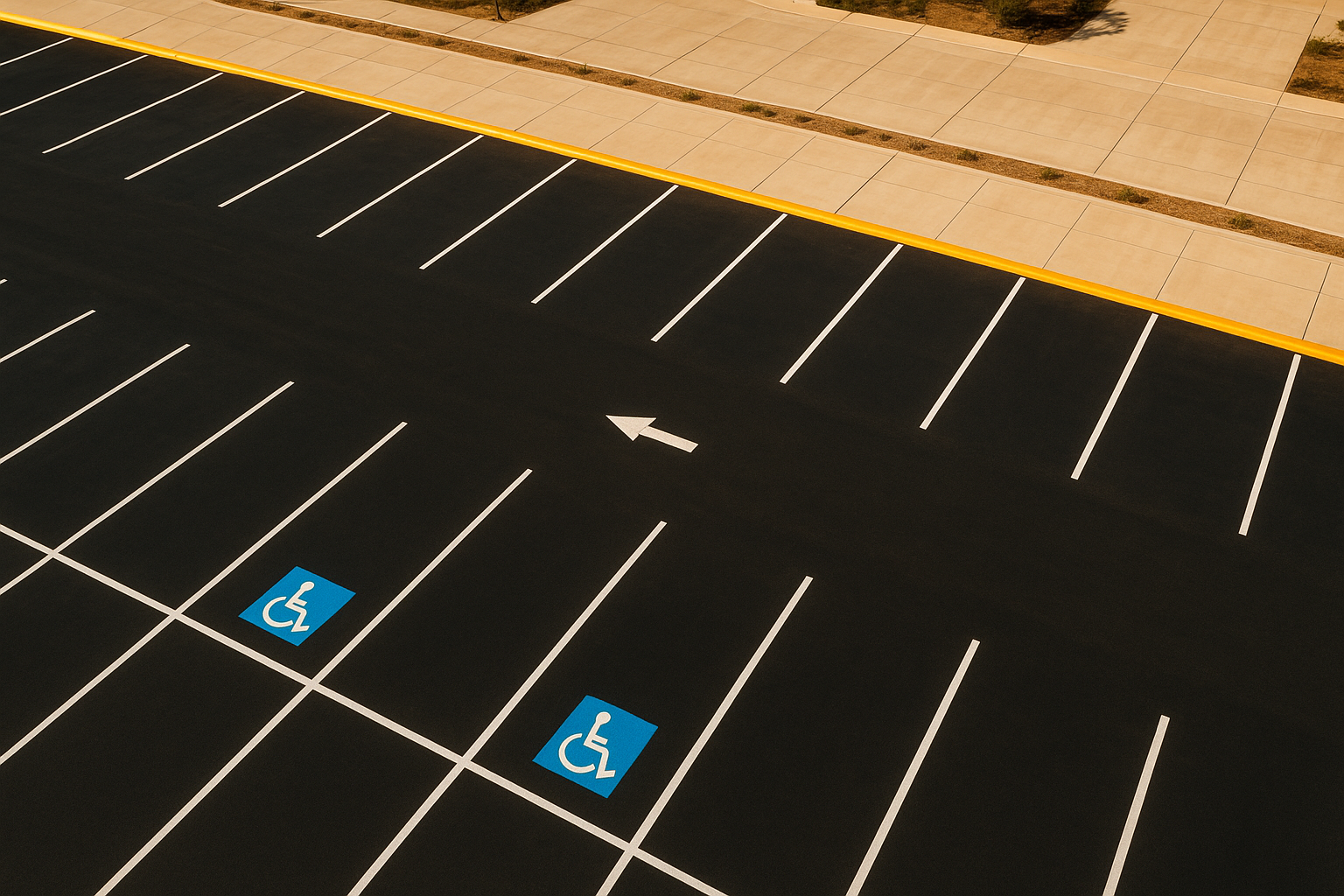
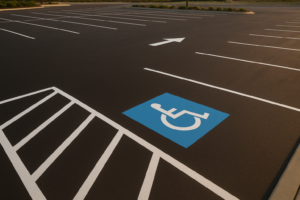
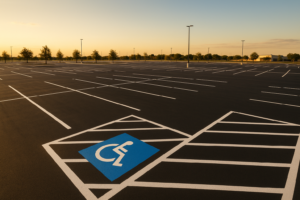
Fresh parking lot striping in Dallas improves traffic flow, maximizes stall capacity, and keeps properties ADA compliant year-round. For a deeper walkthrough, see our Parking Lot Striping DFW: Expert Line Marking Services.
What Is Parking Lot Striping in Dallas?
Parking lot striping is the application of durable paint or thermoplastic material to paved surfaces, creating stall lines, fire lanes, crosswalks, directional arrows, and accessibility markings. In the Dallas area, this service is essential for any property that accommodates vehicles — from small office buildings to large shopping centers and healthcare campuses.
Specifically, a professional striping job does far more than make a lot look clean. It maximizes usable stall count, reduces the risk of minor collisions, guides pedestrians safely, and demonstrates that a property meets current federal and local safety codes. In short, striping is both a practical investment and a legal necessity for every Dallas property owner.
The Scope of a Complete Striping Project
A full parking lot striping service in Dallas typically includes stall lines, directional arrows, fire lane markings, ADA-compliant accessible stalls and access aisles, crosswalks, stop bars, curb painting, and no-parking zone designations. Some contractors also provide complete lot layout design for new construction or reconfigured surfaces — a valuable add-on when your pavement has recently been resurfaced or your property use has changed.
Quick Answer: What Does Parking Lot Striping Include?
Stall lines, fire lane markings, ADA handicap spaces and access aisles, directional arrows, crosswalks, stop bars, curb painting, and no-parking zones. Premium contractors also offer lot layout design and thermoplastic markings for long-term durability.
Why Dallas Property Owners Prioritize Parking Lot Striping
The Dallas–Fort Worth metroplex is one of the fastest-growing metro areas in the United States. As a result, commercial and retail properties face rising traffic volumes that accelerate wear on parking lot markings. Regular maintenance is no longer optional — it is a competitive necessity.
Furthermore, Texas summers are notoriously harsh. Intense UV radiation, scorching pavement temperatures, and seasonal heavy rains combine to fade standard paint within 18 to 24 months. Therefore, property managers throughout DFW schedule regular restriping to keep their lots visually sharp and functionally safe throughout the year.
Fire Lane Compliance and City Code Enforcement
In addition to ADA obligations, local fire codes enforced by Dallas city fire marshals require clearly visible fire lane markings on most commercial properties. Missing or faded fire lane designations can result in citations and significant fines. Consequently, routine striping maintenance is a smart financial decision — not merely an aesthetic one.
Dallas fire lane markings must be painted in red with accompanying “FIRE LANE — NO PARKING” text stenciled at regular intervals along curb lines. Enforcement officers regularly patrol commercial areas, and violations carry per-day penalties in addition to the initial citation. For that reason, keeping fire lane markings fresh is among the highest priorities for any commercial property manager in the city.
ADA Compliance Requirements for Dallas Parking Lots
ADA compliance is one of the most critical aspects of any parking lot striping project. Under federal law, the number of required accessible stalls is proportional to the lot’s total capacity. Below is the standard scale:
- 1–25 total spaces: at least 1 accessible stall required
- 26–50 spaces: at least 2 accessible stalls required
- 51–75 spaces: at least 3 accessible stalls required
- 76–100 spaces: at least 4 accessible stalls required
- 101–150 spaces: at least 5 accessible stalls required
- 501–1,000 spaces: at least 2% of all spaces must be accessible
- 1,001+ spaces: 20 spaces plus 1 for each 100 spaces over 1,000
Dimension Standards for Accessible Stalls
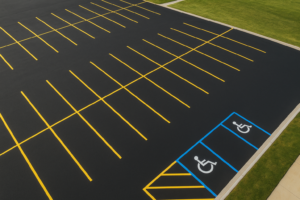
Each accessible stall must be at least 8 feet wide with an adjacent 5-foot access aisle. Additionally, at least one van-accessible space is required per accessible parking cluster. That van-accessible stall must feature an 8-foot access aisle — not the standard 5 feet. All accessible spaces must be marked with the International Symbol of Accessibility (the wheelchair symbol) and accompanied by signage mounted at least 60 inches above the finished grade.
Consequently, working with a contractor who understands both federal ADA standards and Texas-specific accessibility rules is essential. Non-compliant properties risk federal complaints, private lawsuits under Title III of the ADA, and significant financial penalties that far exceed the cost of a proper striping job.
Pro Tip: ADA Updates Happen
ADA standards are periodically revised. A lot that was fully compliant five years ago may no longer meet current requirements — particularly for van-accessible stalls and access aisle widths. Always verify compliance against the current published standards before signing off on any striping project.
Types of Paint and Materials Used in Parking Lot Striping
Not all striping materials perform the same. Understanding your options helps you make the right choice for your property’s traffic volume, budget, and longevity goals. There are three primary materials used in Dallas-area parking lot striping projects:
Water-Based Latex Paint
Water-based latex is the most common choice for standard commercial lots. It dries quickly — within 30 to 60 minutes — emits fewer VOCs (volatile organic compounds, which are airborne chemicals that can affect air quality), and is cost-effective for large surface areas. It works well for restriping projects where traffic disruption must be minimized.
Oil-Based Alkyd Paint
Oil-based alkyd paint is more durable than latex and better suited for high-traffic zones like drive-through lanes and busy commercial entrances. However, it takes longer to cure — typically 2 to 4 hours — and requires careful handling due to higher VOC content. In addition, disposal regulations may apply in the Dallas area.
Thermoplastic Markings
Thermoplastic is a premium option applied as a heated material that bonds directly to the pavement surface. It is extremely durable — lasting up to three to five times longer than paint — making it ideal for fire lanes, crosswalks, and school zones that experience constant wear. While the upfront cost is higher, the long-term value for high-use markings is often superior.
- Best for standard restriping: Water-based latex — fast dry time, low VOCs, budget-friendly
- Best for heavy-traffic stalls: Oil-based alkyd — superior durability where it matters most
- Best for fire lanes and crosswalks: Thermoplastic — longest lifespan, highest visibility, lowest long-term maintenance cost
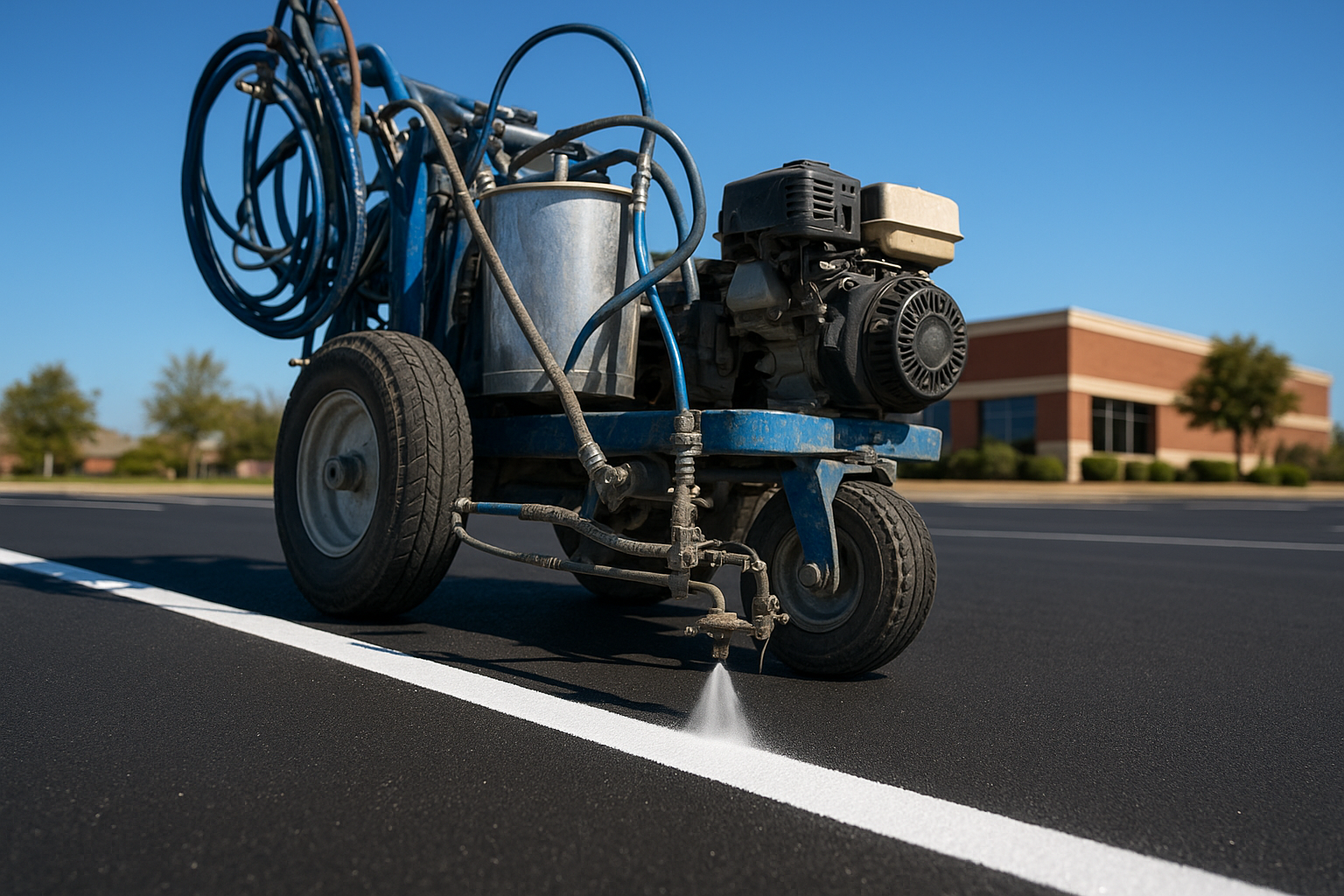
Professional striping equipment ensures straight, consistent lines across large commercial parking surfaces in Dallas. For a deeper walkthrough, see our Parking Lot Striping Dallas TX: Pro Line Marking Guide.
How Much Does Parking Lot Striping Cost in Dallas?
Cost is naturally one of the first questions property managers ask. In general, standard line striping in the Dallas area runs between $0.15 and $0.35 per linear foot for basic stall lines. However, overall project costs vary significantly based on lot size, marking complexity, and the materials selected.
Typical Dallas Striping Cost Ranges
- Standard restriping (50–100 spaces): $300–$900
- Full new layout (50–100 spaces): $500–$2,500
- Large commercial lot (150+ spaces): $2,500–$6,000+
- ADA-compliant handicap stall (per stall): $50–$150 including symbol and signage
- Fire lane markings (per linear foot): $1.00–$3.00 for thermoplastic
- Directional arrows (per arrow): $15–$40
- Crosswalk (per linear foot): $0.50–$2.00 depending on material
Restriping an existing lot is generally less expensive than a full new layout because the contractor follows existing line positions. However, if old lines are severely faded or the layout needs reconfiguration, surface preparation and layout design add to the overall cost.
Furthermore, specialty markings such as thermoplastic fire lanes, ADA symbols, and directional arrows carry a higher per-unit cost than standard stall lines. Always request an itemized written quote so you understand exactly what is included — and what is not. You can explore professional parking lot striping services and pricing at Stripes PLS.
Factors That Affect Your Final Quote
- Surface condition: Damaged or heavily soiled pavement requires cleaning and prep before striping can begin, adding time and cost.
- Number of specialty markings: ADA symbols, fire lanes, stop bars, and arrows are priced individually, so the more you need, the higher the total.
- Paint versus thermoplastic: Thermoplastic costs more upfront but lasts significantly longer, reducing your total cost over a multi-year maintenance cycle.
- Lot accessibility: Lots with complex layouts, tight turning radii, or active 24/7 operations may require more setup time and off-peak scheduling, which can affect pricing.
- Layout redesign: If your lot needs a new configuration — for instance, after paving or to improve flow — design fees may apply on top of the striping cost.
How to Get Parking Lot Striping Done Right: A Step-by-Step Process
Following a clear, structured process ensures your striping project is completed on time, within budget, and to code. Here is how most successful Dallas parking lot striping projects unfold:
- Assess your lot’s current condition. Walk the entire surface and document faded lines, damaged pavement, missing ADA markings, and any fire lane areas that need attention. Take clear photos from multiple angles for reference when speaking with contractors.
- Determine ADA and local code requirements. Calculate the required number of accessible stalls based on your total lot capacity. Also verify Dallas municipal and county-specific fire lane rules that apply to your property type and use classification.
- Request quotes from at least two or three licensed striping contractors. Share your lot dimensions, photo documentation, and specific requirements. Ask for fully itemized written quotes specifying paint type, marking scope, surface preparation included, and project timeline.
- Schedule strategically and prepare the lot. Coordinate work during low-traffic hours — early morning is ideal in Dallas summers. Arrange cones or signage to redirect vehicles, and confirm the pavement surface is clean and dry before the crew arrives.
- Inspect the completed work before signing off. Walk the lot with the contractor to verify straight lines, correct ADA stall dimensions, access aisle widths, clear fire lane markings, and complete coverage of all agreed markings. Document the finished work with photos for your records.
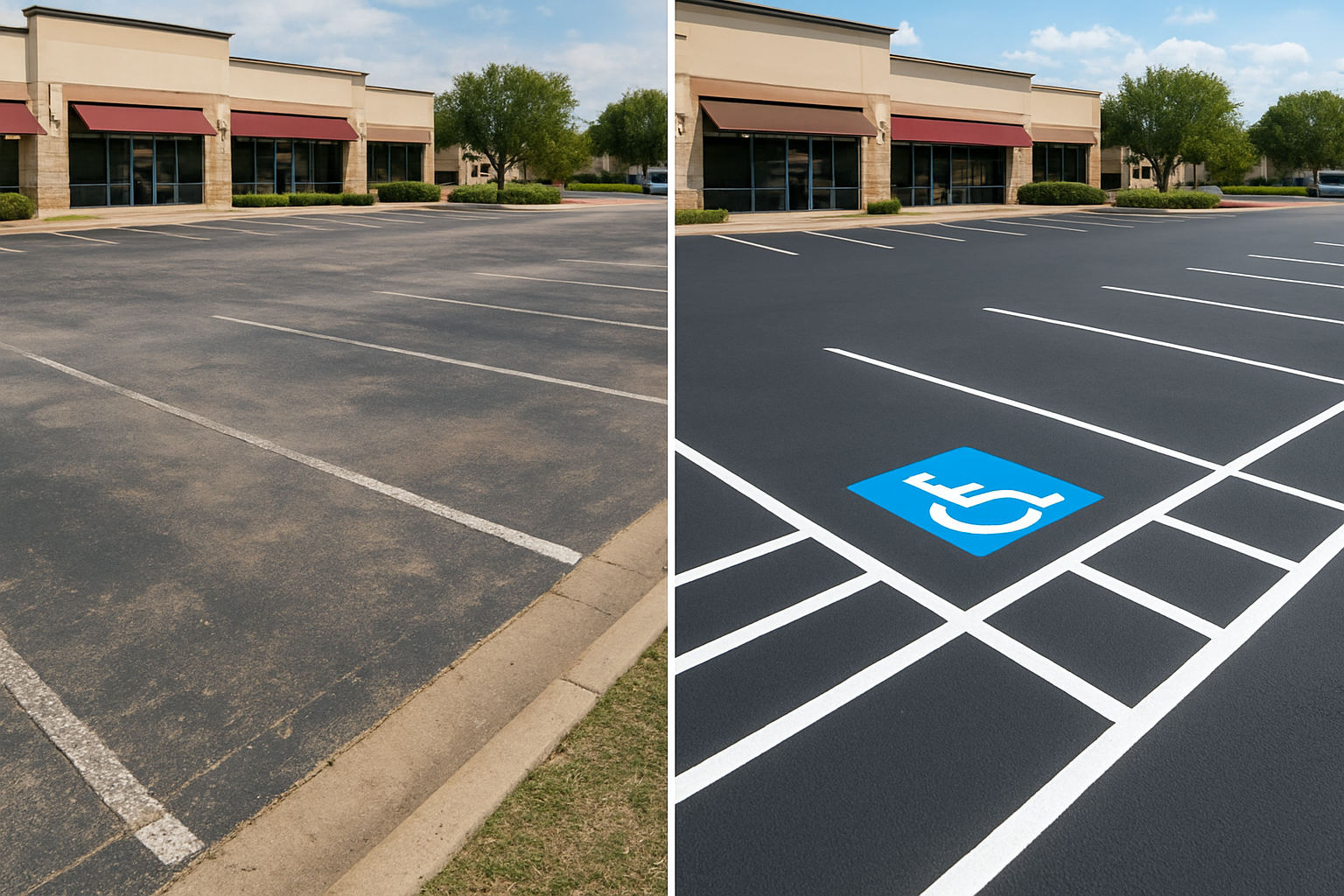
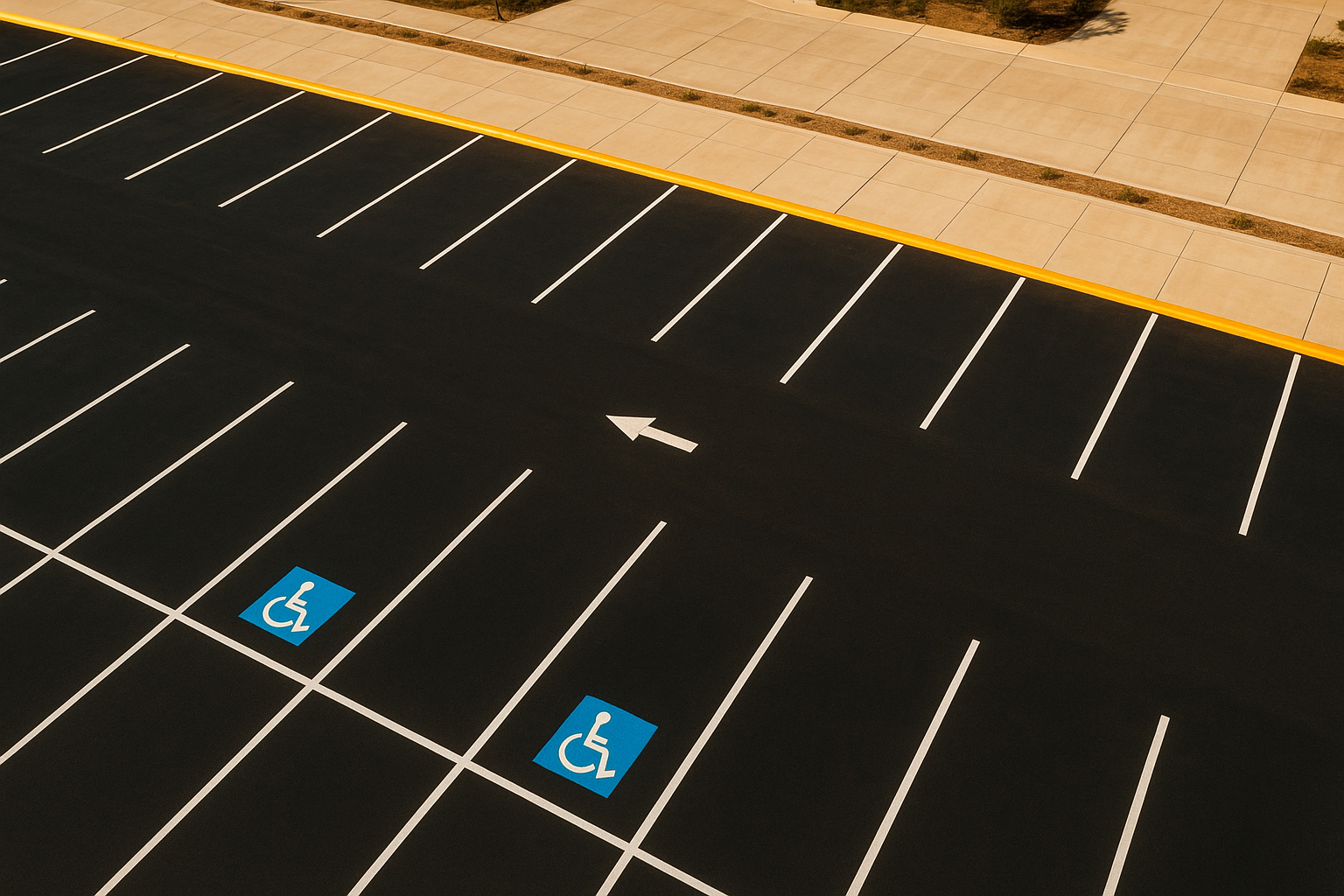
Restriping restores clarity and safety to faded parking lot markings — the difference is immediate and significant. For a deeper walkthrough, see our Parking Lot Striping Denton TX: Expert Line Marking.
Restriping vs. New Lot Layout: Which Do You Need?
Many property owners wonder whether they need a full new layout or simply a restriping of their existing lot. The answer depends on the current state of your markings and whether your existing configuration still meets current codes.
If your lines are faded but the layout is sound and ADA compliant, restriping is the faster and more economical path. On the other hand, if your lot has never been properly configured, has undergone pavement resurfacing, or requires ADA upgrades to meet current standards, a new layout is the right investment.
When Restriping Is Enough
- Lines are faded but original layout is ADA and code compliant
- Pavement surface is structurally sound — no major cracks or potholes
- No property use changes have occurred since the original striping
- Previous stripe positions are still detectable and in viable locations
When a New Layout Is Required
- Pavement has been resurfaced or seal coated, covering all prior markings
- The lot is being expanded or its intended use has changed
- ADA audits reveal the existing layout does not meet current standards
- Traffic flow problems require a complete redesign of stall angles and drive lanes
In either case, the Texas Department of Transportation and local municipal codes set minimum standards for marking visibility and dimensions. A knowledgeable contractor will assess your specific situation and recommend the most cost-effective path forward.
Parking Lot Striping in Dallas: Neighborhoods and Service Areas
Parking lot striping contractors operating in the Dallas metro typically serve a broad range of communities throughout the DFW region. Whether your property is located in the urban core or the fast-growing suburbs, local expertise matters — especially when it comes to understanding city-specific fire marshal requirements and ADA enforcement priorities.
Commercial striping demand is particularly high across the following areas within the greater Dallas market:
- North Dallas and Uptown — High-density retail and office parks with frequent restriping needs
- Plano and Frisco — Rapidly expanding commercial corridors with new construction and layout needs
- Garland and Mesquite — Industrial and distribution facilities requiring durable thermoplastic markings
- Irving and Grand Prairie — High-volume retail and hospitality properties near DFW Airport
- Denton — Educational campuses and healthcare facilities requiring detailed ADA compliance
- Richardson and Allen — Corporate campuses and mixed-use developments with regular maintenance schedules
- Fort Worth — Large commercial lots serving retail, medical, and industrial clients across Tarrant County
For property owners across all of these communities, Stripes PLS is a full-service parking lot marking company based in Texas. They specialize in professional striping, ADA compliance solutions, and fire lane marking for commercial and residential properties throughout North Texas. You can learn more about their parking lot striping services in Denton, TX, or reach out through their contact page to request a free quote.
How to Choose the Right Parking Lot Striping Contractor in Dallas
Not every striping company delivers the same level of quality. Therefore, vetting your contractor carefully before signing any agreement is time well spent. Here are the key factors to evaluate when hiring a parking lot striping contractor in the Dallas area:
- Licensing and insurance: Confirm the contractor holds a valid Texas contractor’s license and carries general liability insurance. This protects you if damage occurs during or after the project.
- ADA knowledge: Ask specifically whether the crew is current on ADA Standards for Accessible Design. A contractor who cannot answer basic ADA questions should be ruled out immediately.
- Equipment quality: Professional-grade striping machines produce straight, consistent lines. Ask what equipment the company uses, whether they use mechanical line guides, and how they handle curved or angled stall configurations.
- References and online reviews: Request references from recent commercial projects similar to yours. Online reviews on Google and the Better Business Bureau can reveal a contractor’s actual track record and customer service quality.
- Written, itemized quotes: A reputable contractor provides a detailed written quote before any work begins. Be cautious of verbal-only estimates, vague scope descriptions, or contracts that do not specify paint type and surface prep.
- Warranty or guarantee: Ask whether the contractor warranties their workmanship. A confident, experienced crew will stand behind their lines for a defined period following project completion.
- Experience with your property type: A contractor experienced with healthcare campuses, retail centers, or school facilities will understand the specific marking requirements for each environment — and won’t need to be educated on the job.
Common Parking Lot Striping Mistakes Dallas Property Owners Make
Even well-intentioned property owners make avoidable errors when managing striping projects. Specifically, the following mistakes lead to wasted money, code violations, or unsafe conditions:
- Waiting too long to restripe: Severely faded lines are harder and more expensive to cover cleanly. Restriping on a regular schedule — every 18 to 24 months in Texas — is more cost-effective than waiting for complete deterioration.
- Ignoring ADA updates: Standards evolve. A lot that passed inspection five years ago may now fall short on van-accessible stall dimensions or access aisle placement. Regular compliance reviews are essential.
- Skipping surface preparation: Applying paint over dirty, oily, or damp pavement causes premature peeling and fading. Always confirm the contractor cleans and dries the surface before striping begins.
- Choosing the lowest bid without vetting: Low-cost contractors sometimes cut corners on paint quality or skip required markings. Consequently, you may pay for corrections sooner than planned — at a higher total cost than a quality contractor would have charged initially.
- Striping in extreme heat without adjusting timing: Dallas summers regularly push pavement temperatures above 120°F. Applying paint in peak afternoon heat can cause bubbling and uneven drying. Scheduling morning application solves this problem.
- Failing to coordinate lot access: Not redirecting traffic during the project risks smeared or incomplete lines. Plan ahead to route vehicles away from striping zones for at least one to two hours after completion.
Parking Lot Striping Maintenance Schedule for Dallas Properties
Establishing a proactive maintenance schedule is one of the most cost-effective decisions a Dallas property manager can make. Rather than reacting to complaints or citations, a planned schedule keeps your lot consistently compliant and visually sharp — and prevents the higher cost of emergency or corrective striping.
Recommended Restriping Frequency
- Standard commercial lots: Every 18–24 months in Texas due to UV exposure and rainfall
- High-traffic retail and drive-through lanes: Every 12–18 months
- Fire lanes (paint only): Every 12 months; thermoplastic may last 3–5 years
- ADA stalls and access aisles: Inspect annually; restripe whenever symbols or aisle lines become unclear
- After seal coating or asphalt resurfacing: Immediate full restripe required
In addition, scheduling a post-winter inspection each spring is good practice in North Texas. Although Dallas does not face harsh winters, freeze-thaw cycles and storm damage can crack pavement and displace markings more than many property owners expect. For more parking lot maintenance guidance, visit the Stripes PLS blog.
Frequently Asked Questions About Parking Lot Striping in Dallas
Conclusion: Make the Most of Your Parking Lot Striping Investment in Dallas
Parking lot striping in Dallas is far more than a cosmetic upgrade. It is a fundamental component of property safety, ADA accessibility, fire code compliance, and long-term asset value. From understanding stall ratio requirements and selecting the right paint material to building a proactive maintenance schedule and vetting qualified contractors, every decision you make affects both your budget and the safety of every person who uses your lot.
As the DFW metroplex continues to grow, well-marked, professionally maintained parking lots remain a baseline expectation for tenants, customers, and regulatory inspectors alike. Therefore, investing in quality striping now prevents far more expensive compliance corrections and reputation damage later. Whether you manage a single retail storefront or a sprawling commercial campus, the right partner makes all the difference.
For property owners throughout North Texas, Stripes PLS delivers reliable, code-compliant parking lot striping in Dallas and across the broader Denton and Plano service areas. Visit their blog for more parking lot maintenance tips, or request a free quote today to get started on your next project.