Parking bay marking services are the professional striping, layout, and signage work that turns an empty or worn parking lot into a safe, organized space that meets local codes. In Denton and Plano, TX, property managers rely on these services to keep traffic moving, protect pedestrians, and avoid costly compliance violations. Because faded or missing lines create confusion and liability risk, many commercial property owners schedule professional parking bay marking services well before their lot reaches a dangerous condition. This guide explains what the work involves, why it matters, and how to choose a qualified provider such as stripespls.com near you.
Quick answer: Parking bay marking services include measuring, layout design, surface preparation, and painting of parking stalls, ADA-compliant accessible spaces, fire lanes, and directional arrows. A qualified contractor typically completes a mid-size commercial lot within one to two days, depending on lot size and surface condition.
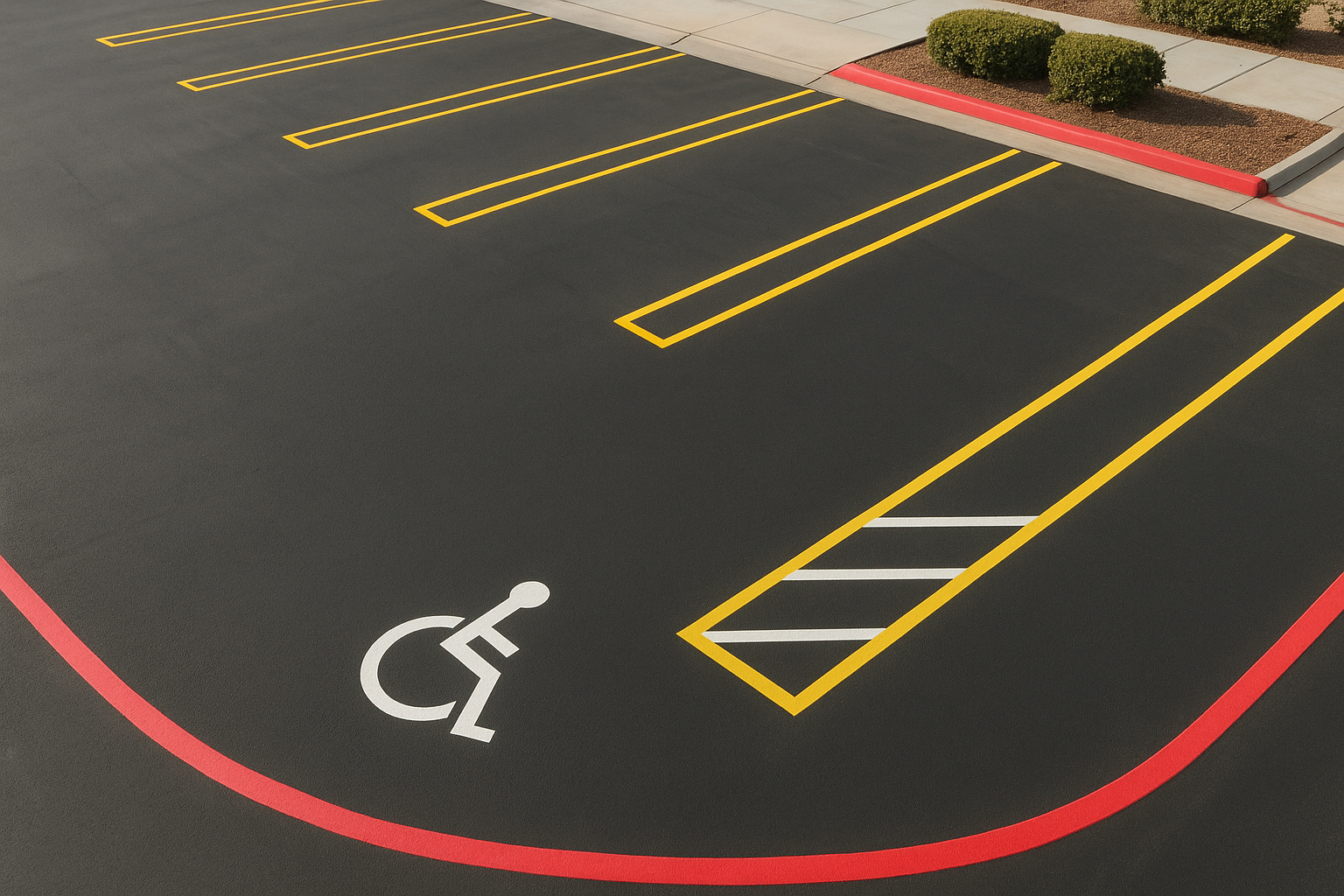
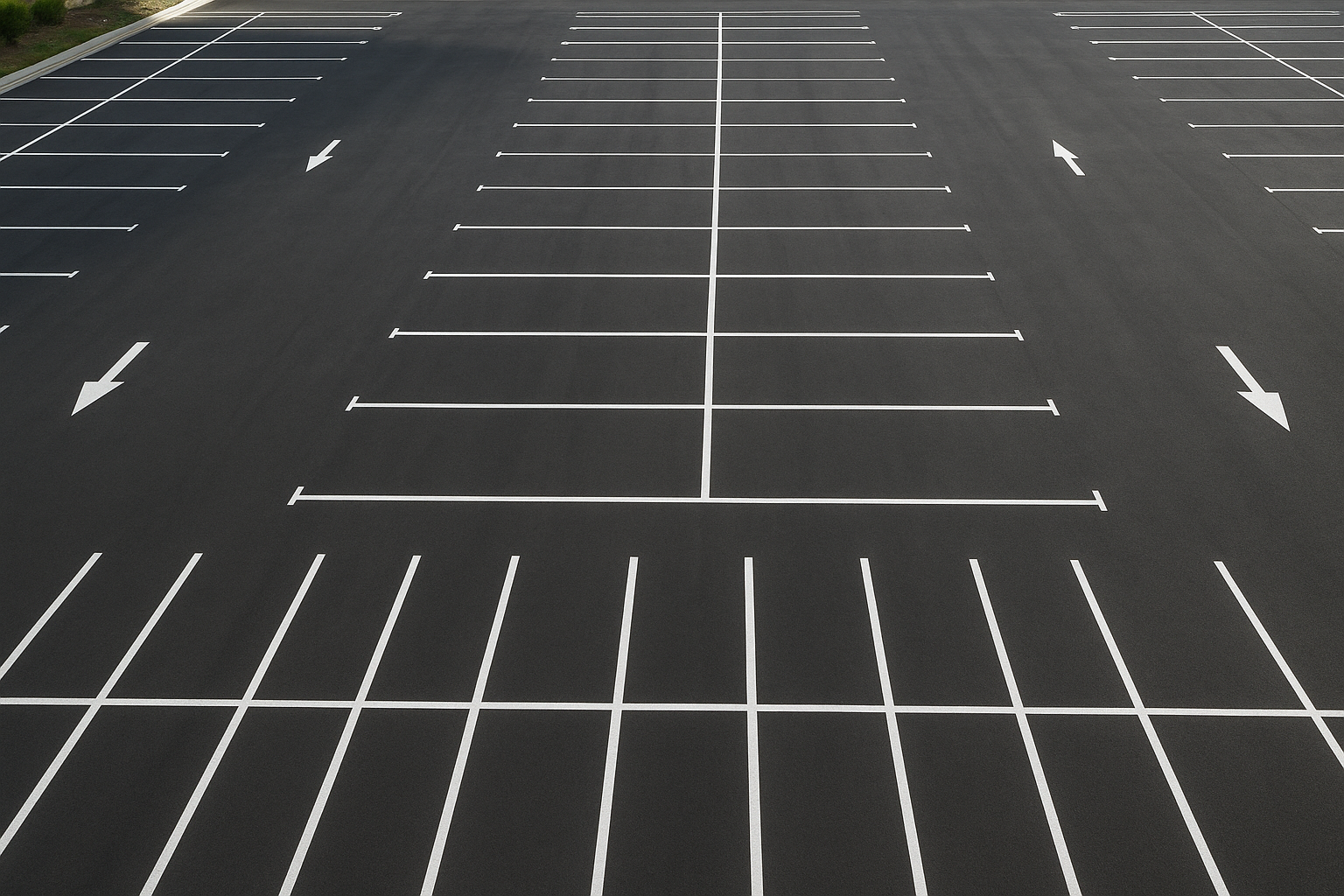
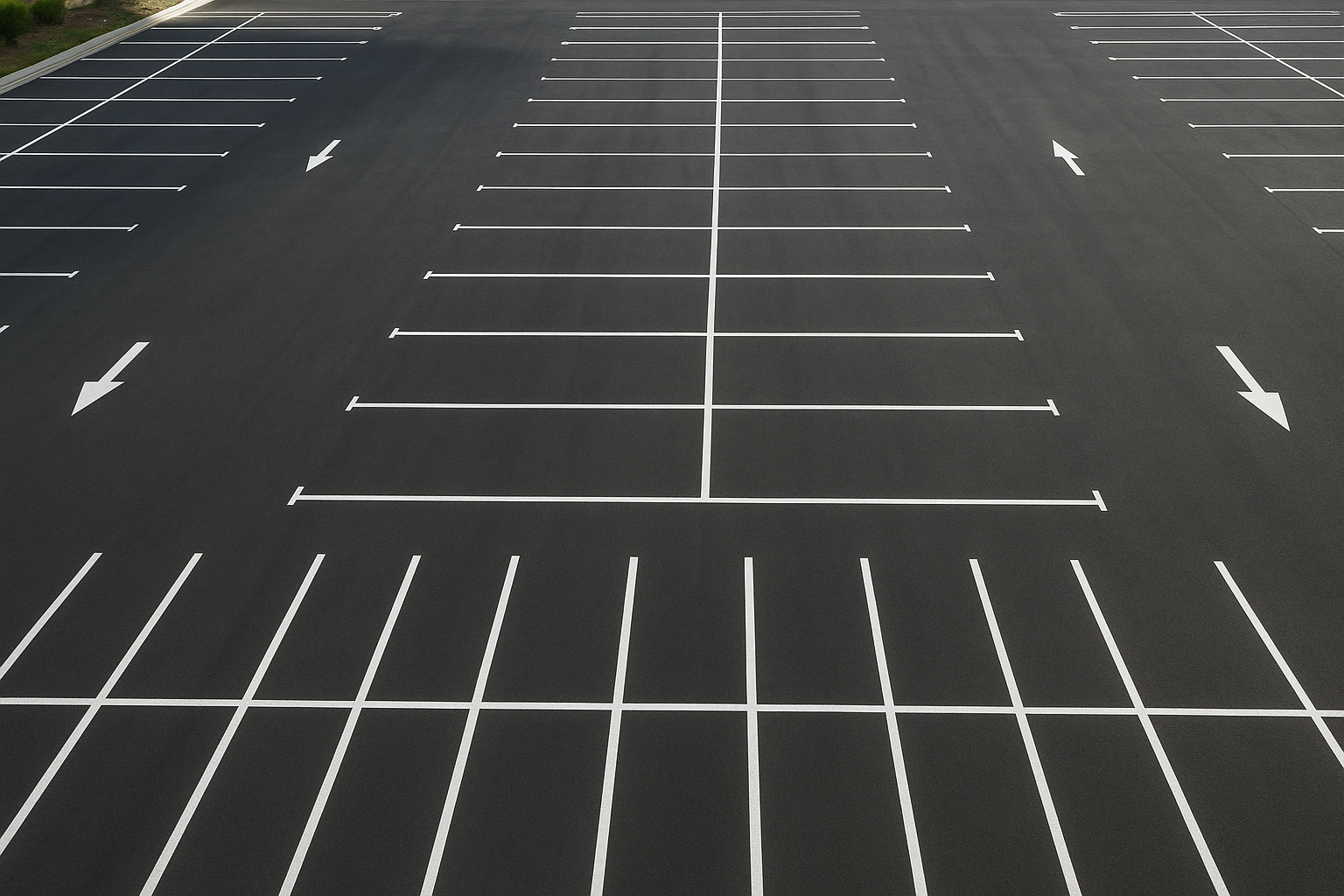
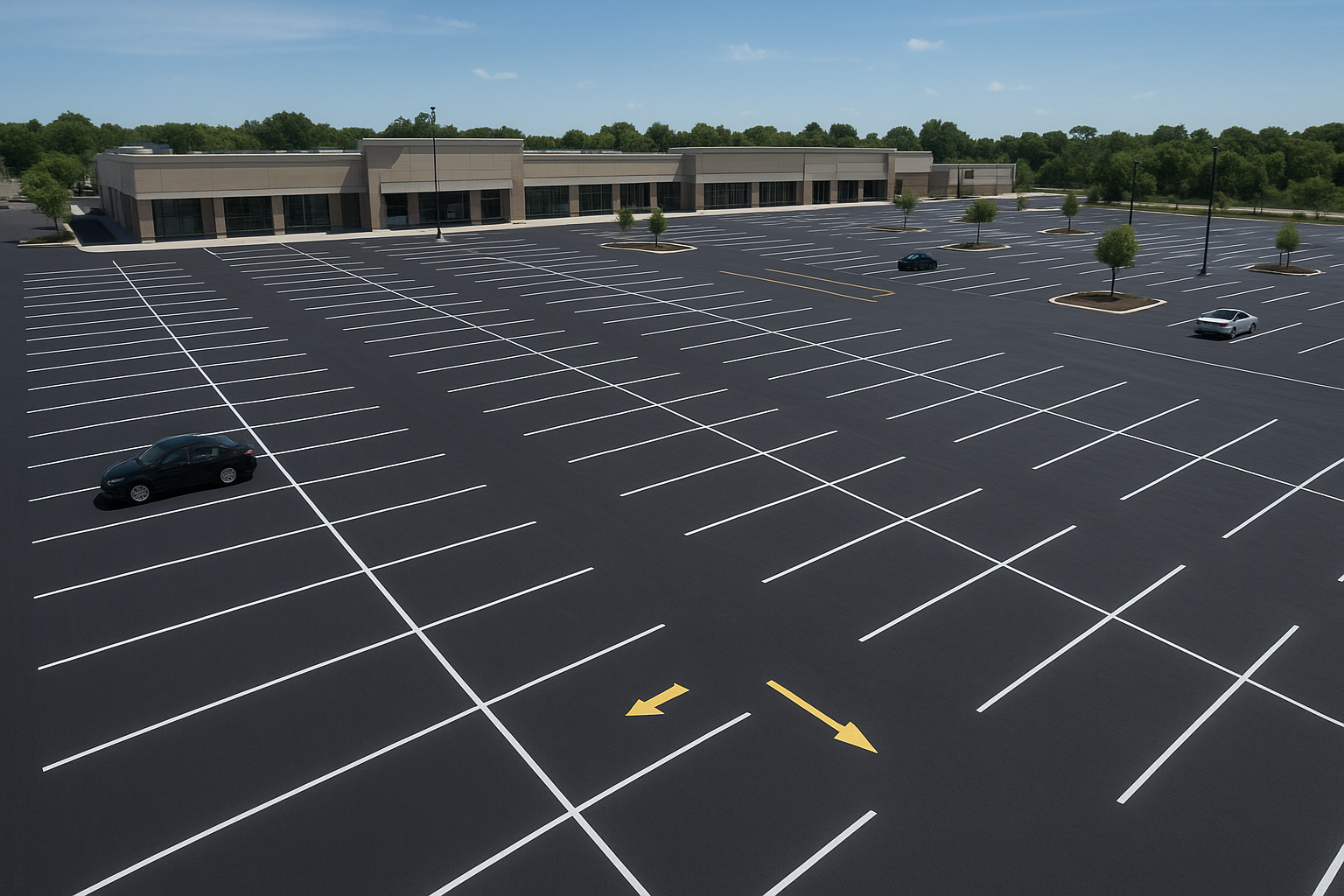
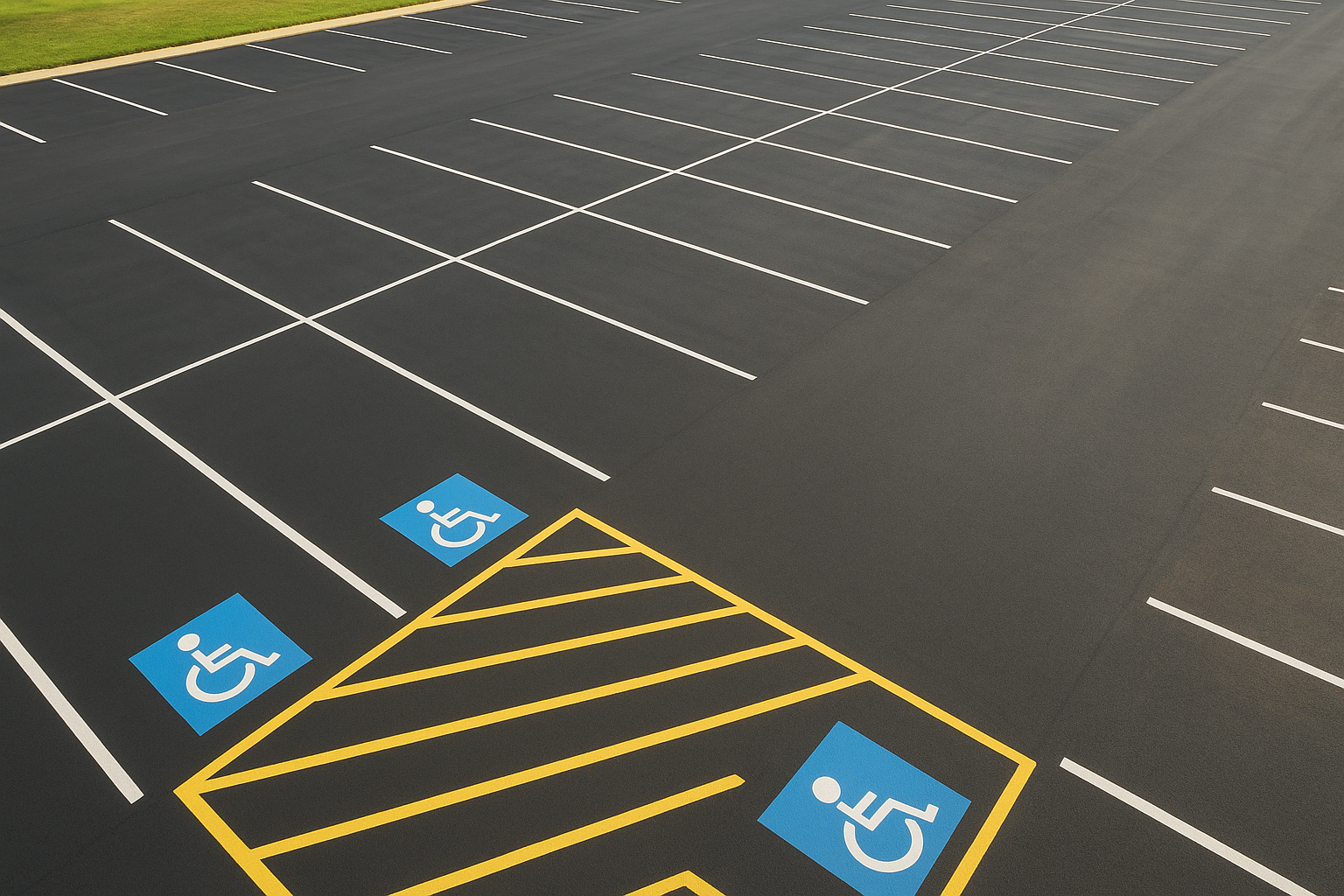
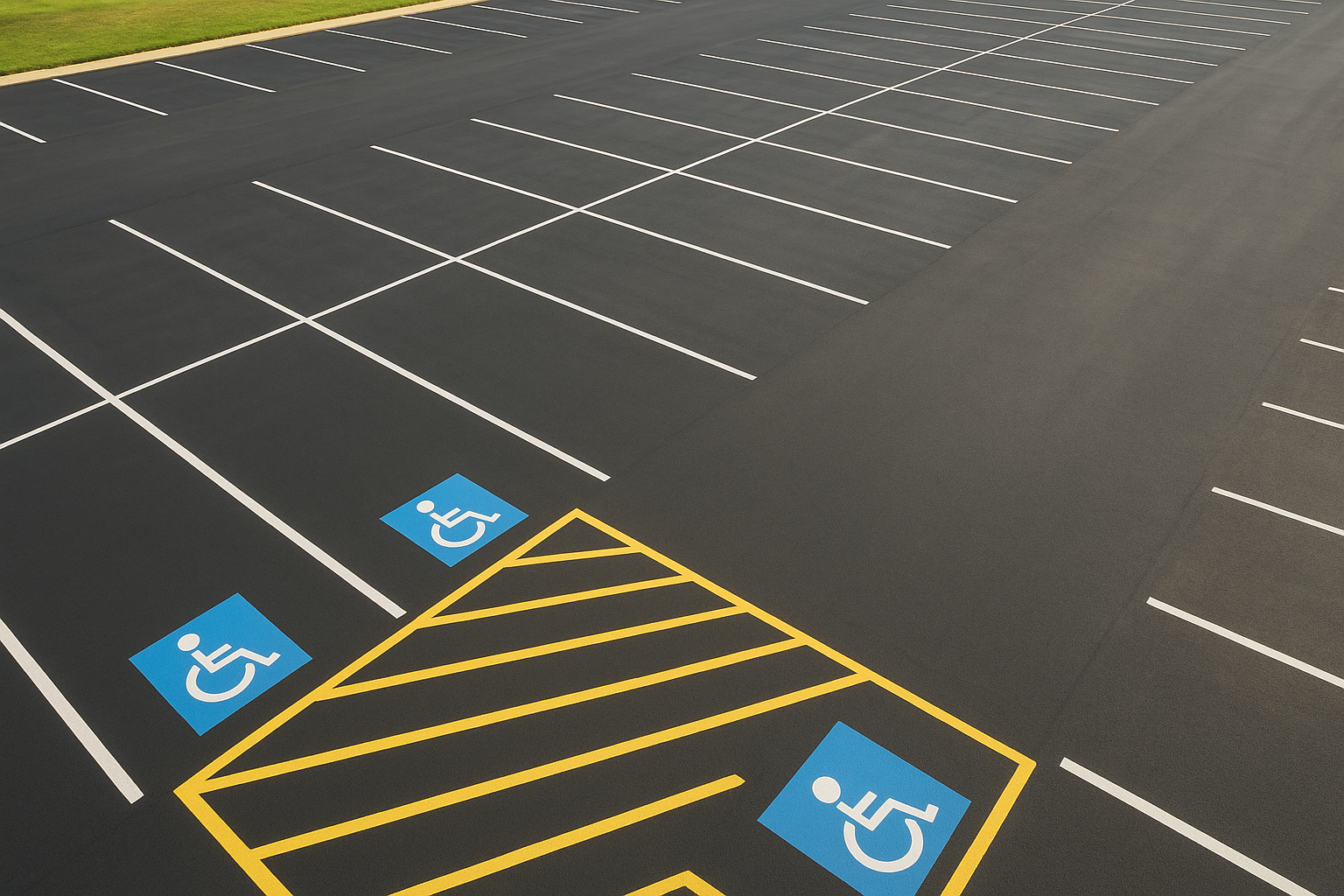
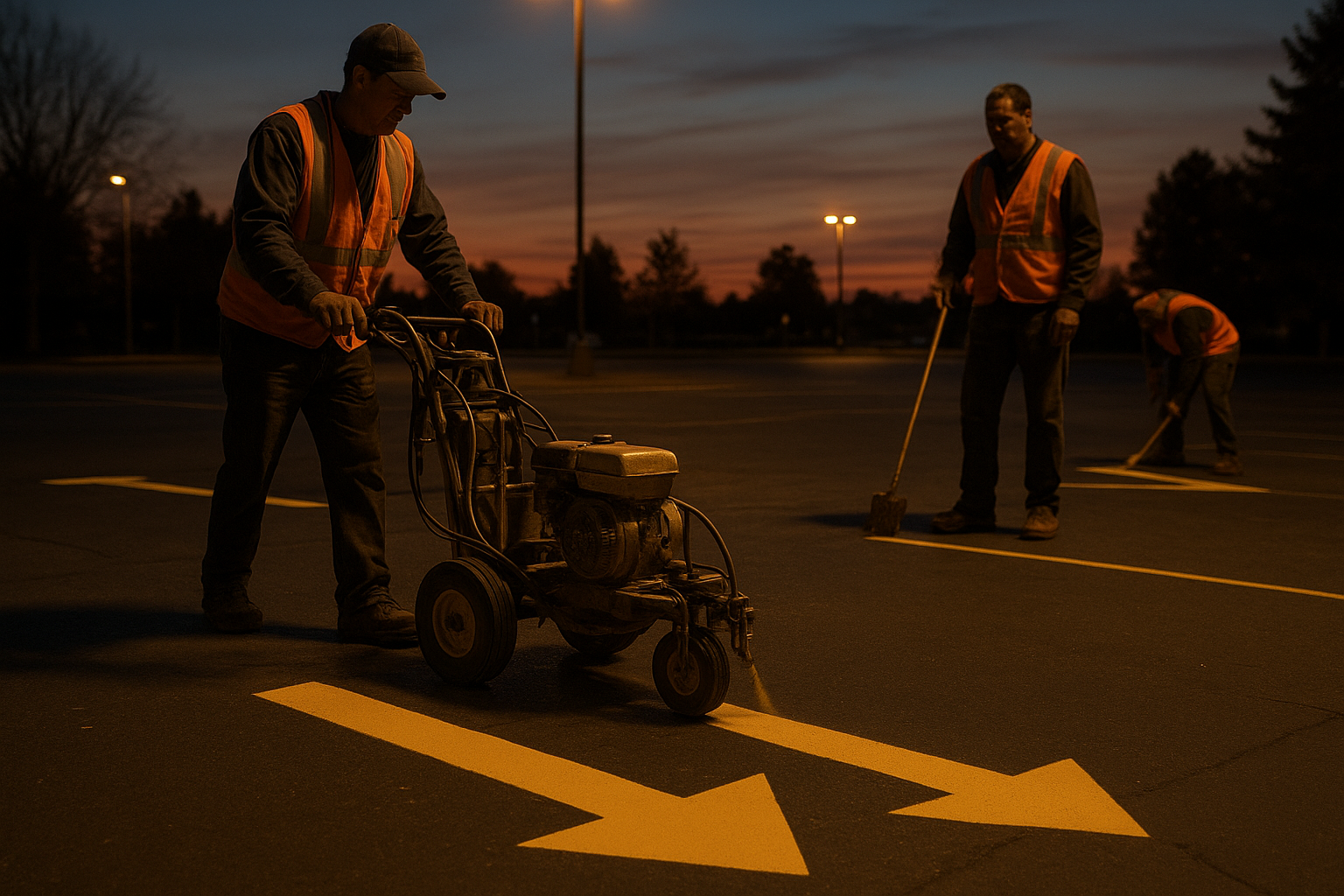
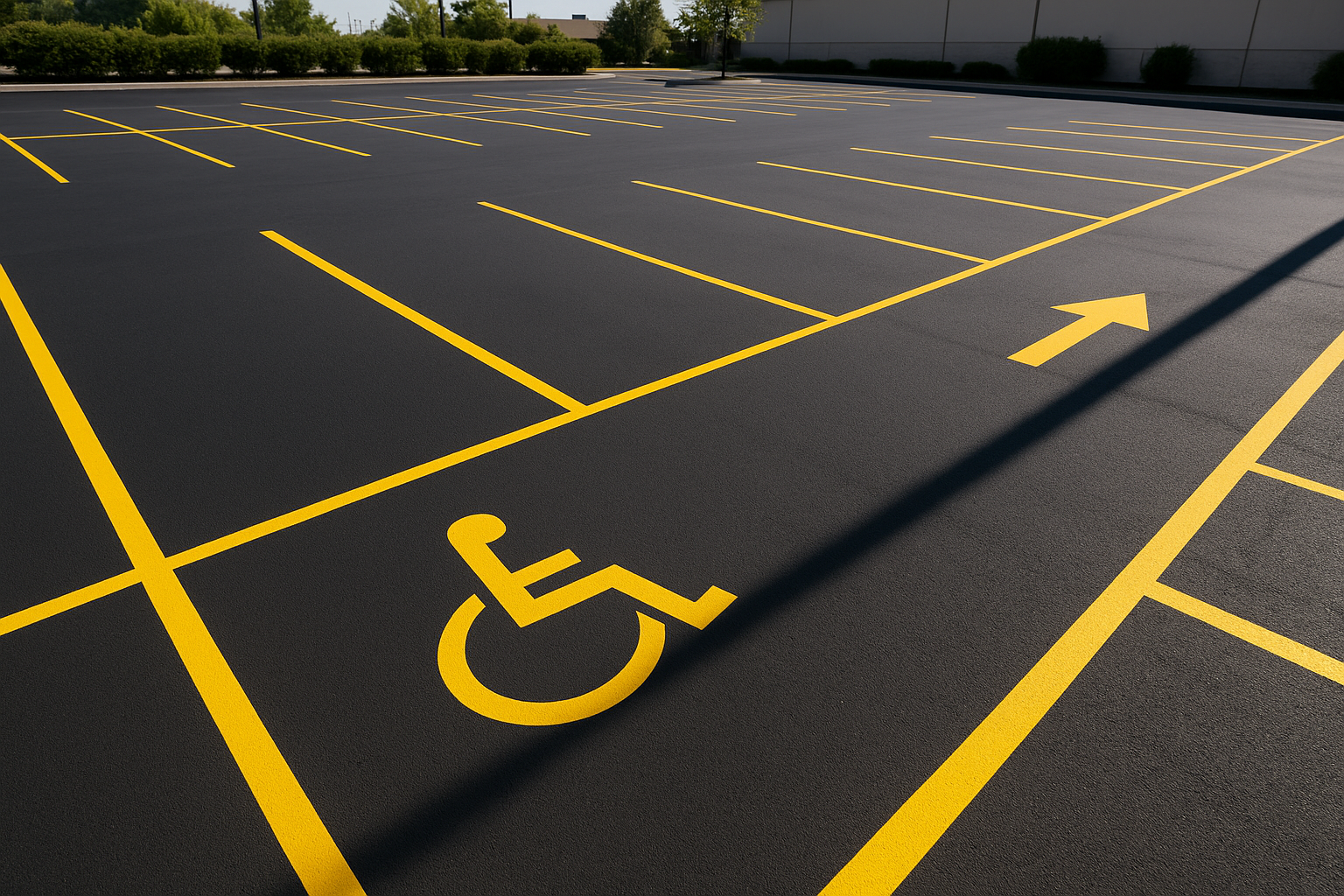
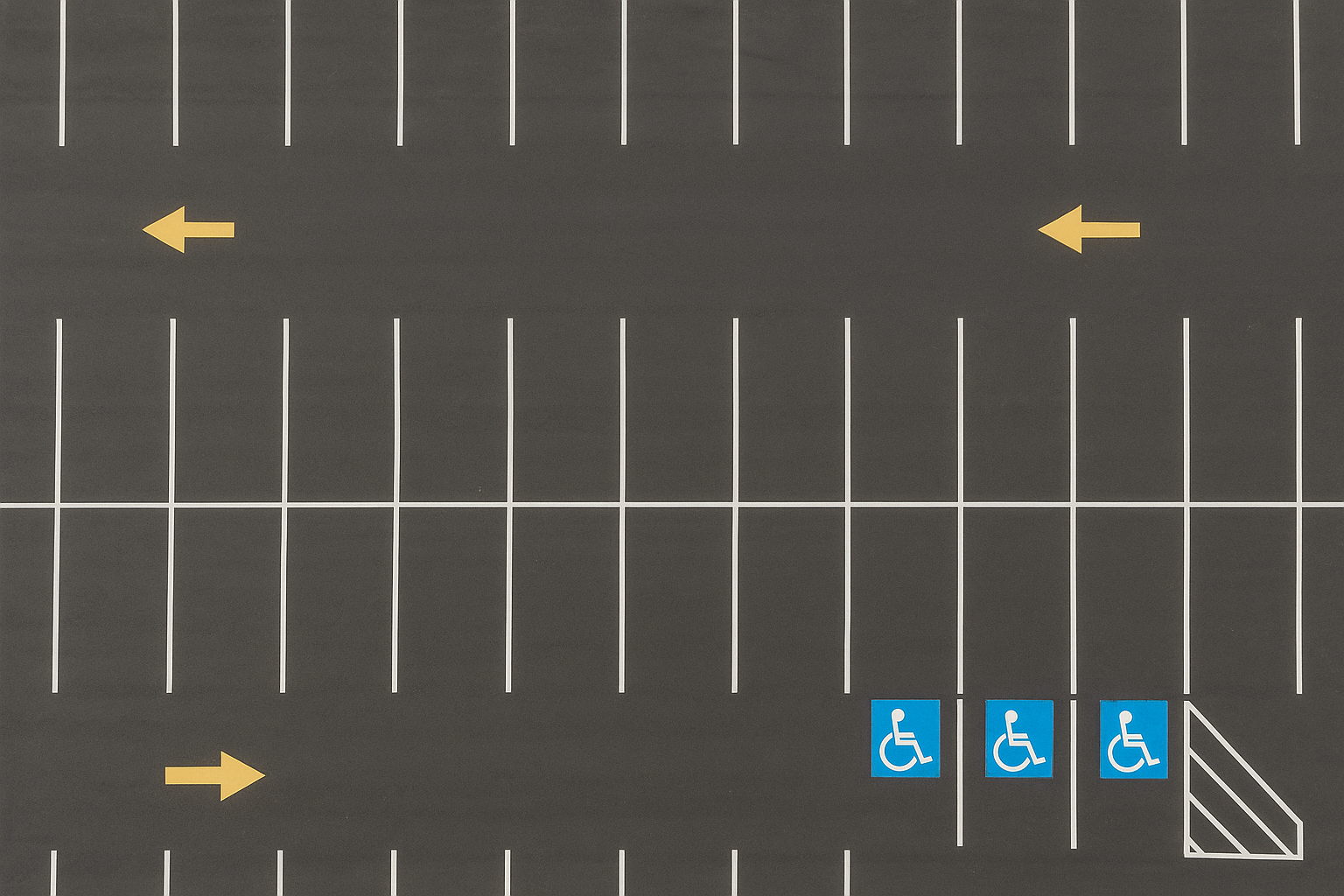
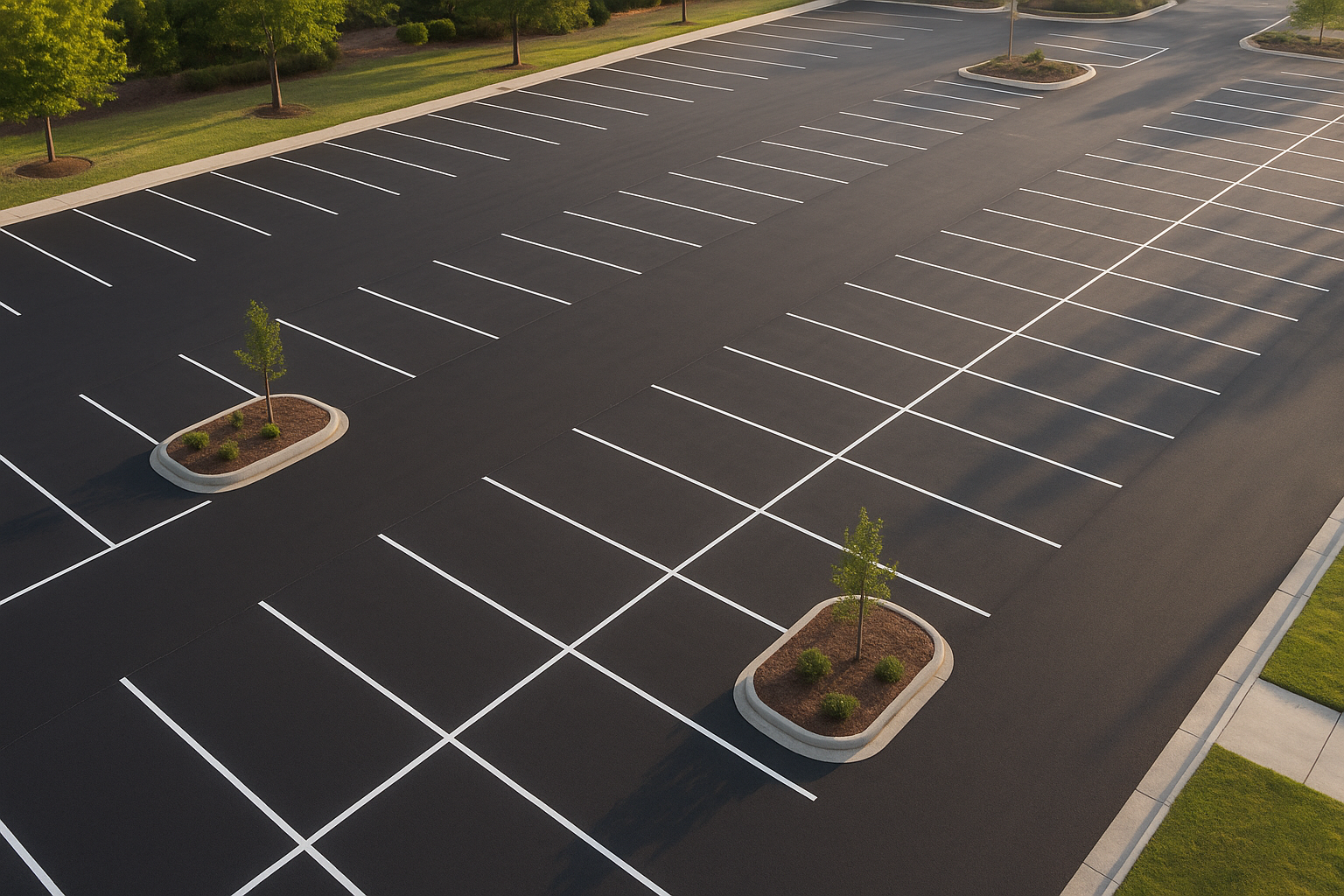
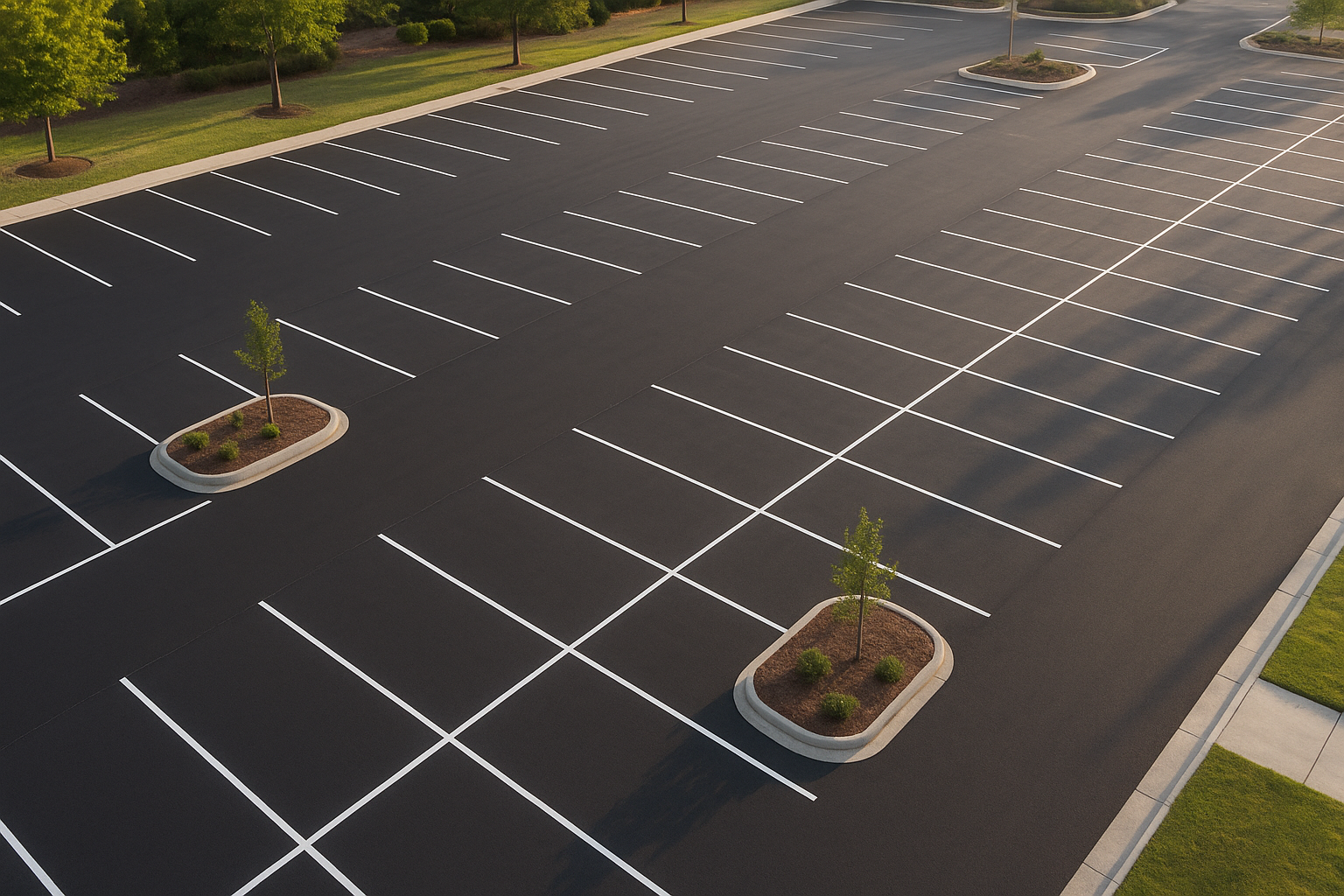
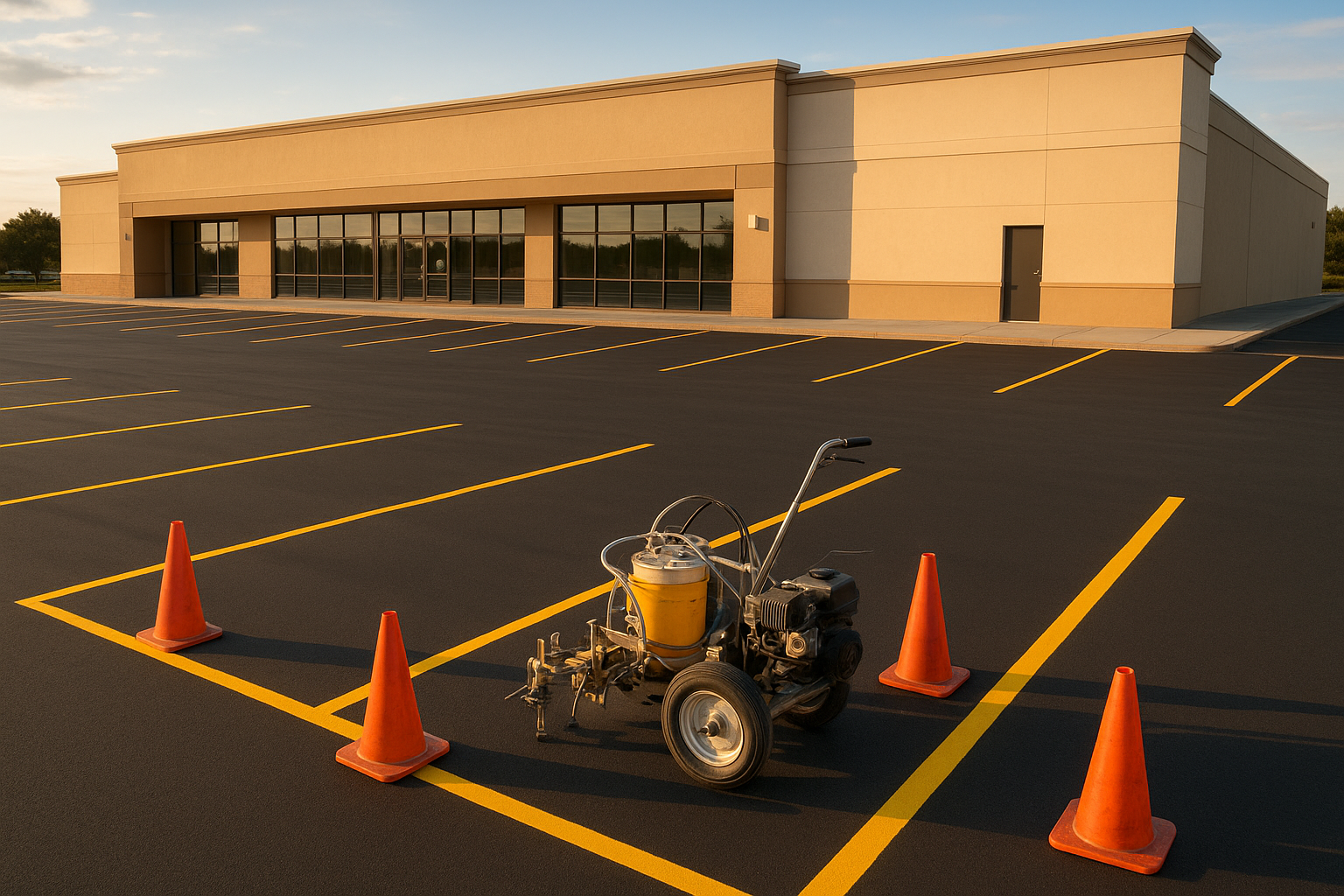
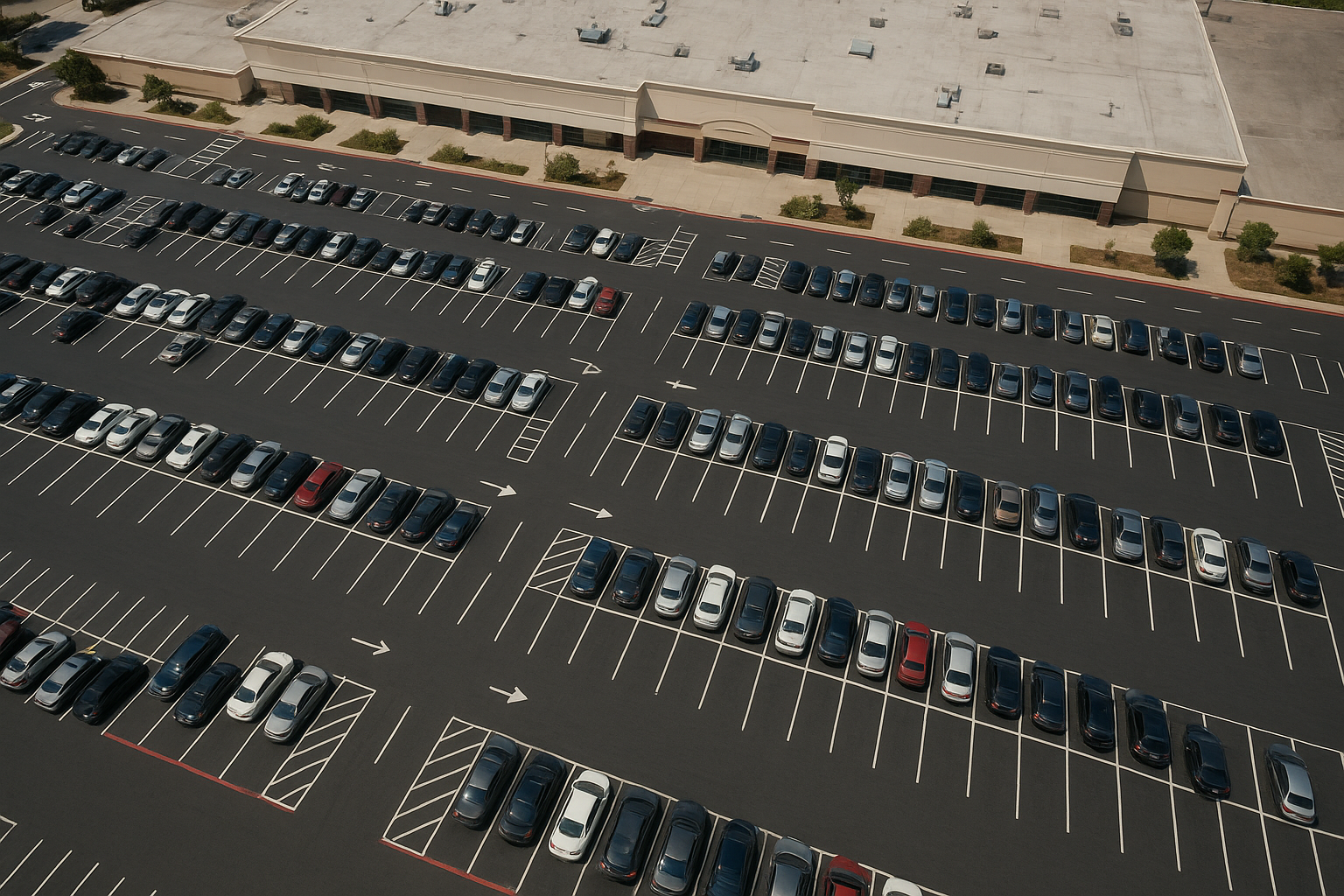
Professional parking bay marking services create clear, organized traffic patterns for commercial lots.
What Are Parking Bay Marking Services?
Parking bay marking services are the specialized work of measuring, laying out, and painting the lines, symbols, and text that define a parking lot’s usable spaces. A “bay” simply refers to a single parking stall — the marked rectangle where one vehicle parks. Consequently, accurate bay marking determines how many vehicles a lot can hold safely.
Beyond basic stalls, these services often include ADA accessible spaces, fire lane designation, directional arrows, curb painting, and numbering for organized parking systems. For example, a retail center might need standard stalls near the entrance, van-accessible spaces close to the door, and a clearly marked fire lane along the building. Because each element serves a distinct safety or legal purpose, professional layout planning matters just as much as the paint itself.
Why Professional Line Striping Matters for Your Property
Faded or missing lines do more than look unkempt; they create real hazards. In particular, drivers often park unevenly when boundaries are unclear, which wastes space and increases the risk of fender-benders. As a result, many property owners lose usable stalls simply because the layout is no longer visible.
Well-executed line striping services also improve traffic flow by clearly marking one-way lanes, stop points, and pedestrian crossings. Furthermore, a freshly striped lot signals to visitors that a property is maintained and taken seriously. According to the National Parking Association, poorly maintained lots are a leading cause of preventable customer complaints at retail and healthcare facilities. Therefore, routine restriping is an investment that pays off in both safety and reputation.
ADA Compliance Markings and Accessible Parking Requirements
The Americans with Disabilities Act (ADA), a federal civil rights law protecting people with disabilities, sets strict requirements for accessible parking. Specifically, properties must provide a minimum number of accessible spaces based on total stall count, along with van-accessible spaces that include a wider access aisle. You can review the full requirements directly through ADA.gov.
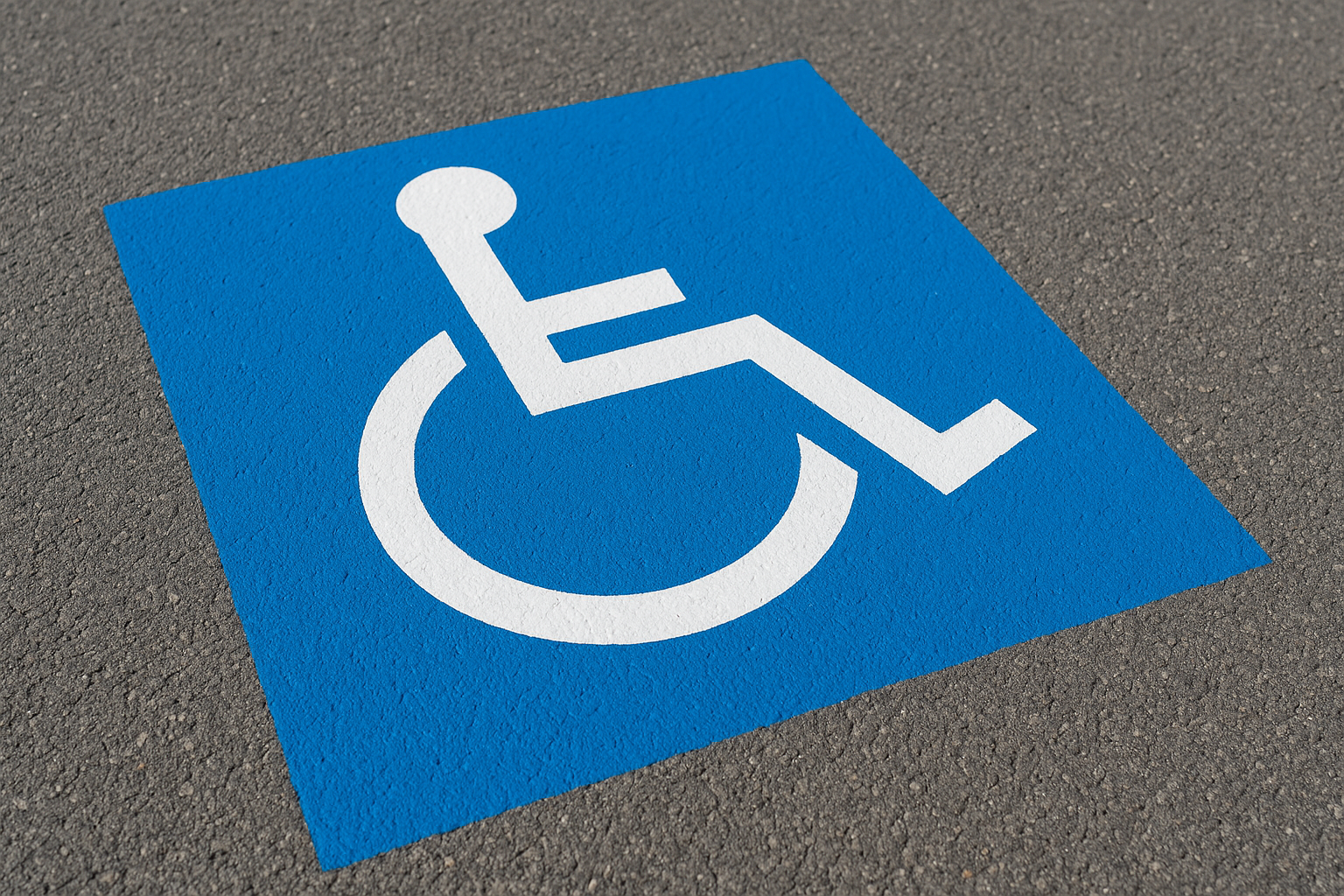
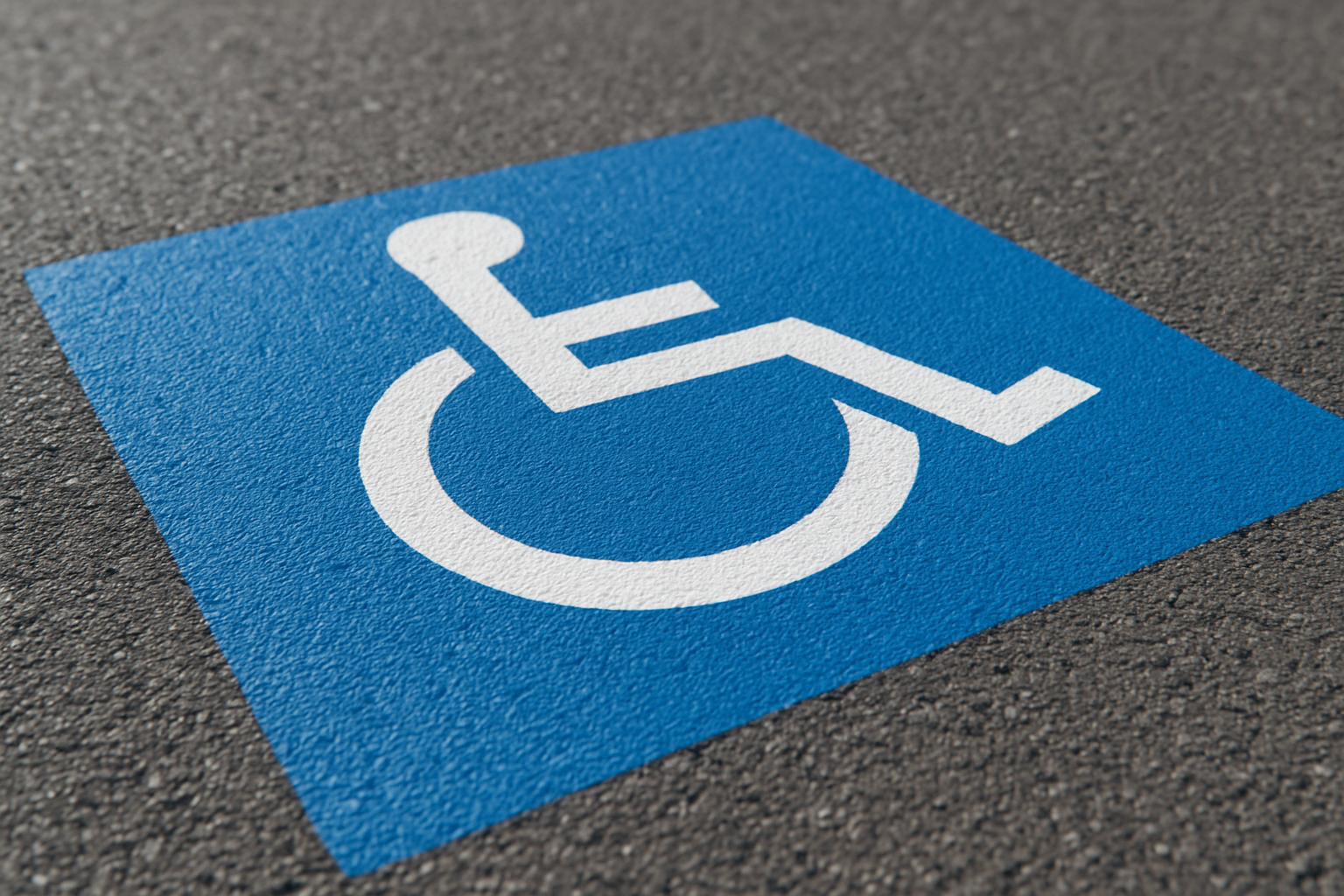
In practice, this means accessible stalls need the international symbol of accessibility, correct signage height, and properly sloped access routes. Since non-compliance can trigger fines or lawsuits, many Denton and Plano property managers turn to a dedicated ADA compliance markings service to handle layout and inspection details correctly the first time.
Fire Lane Marking: Keeping Emergency Access Clear
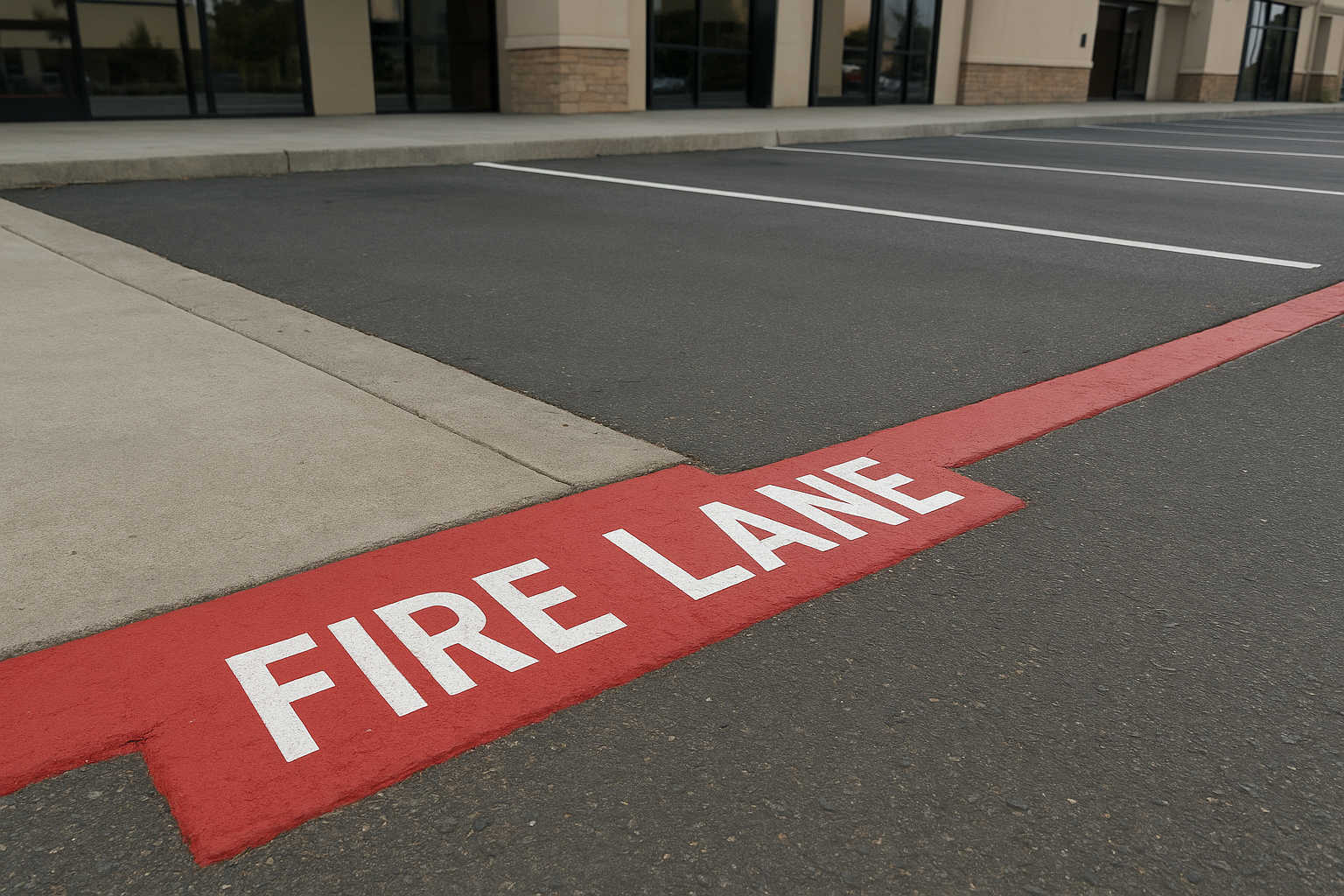
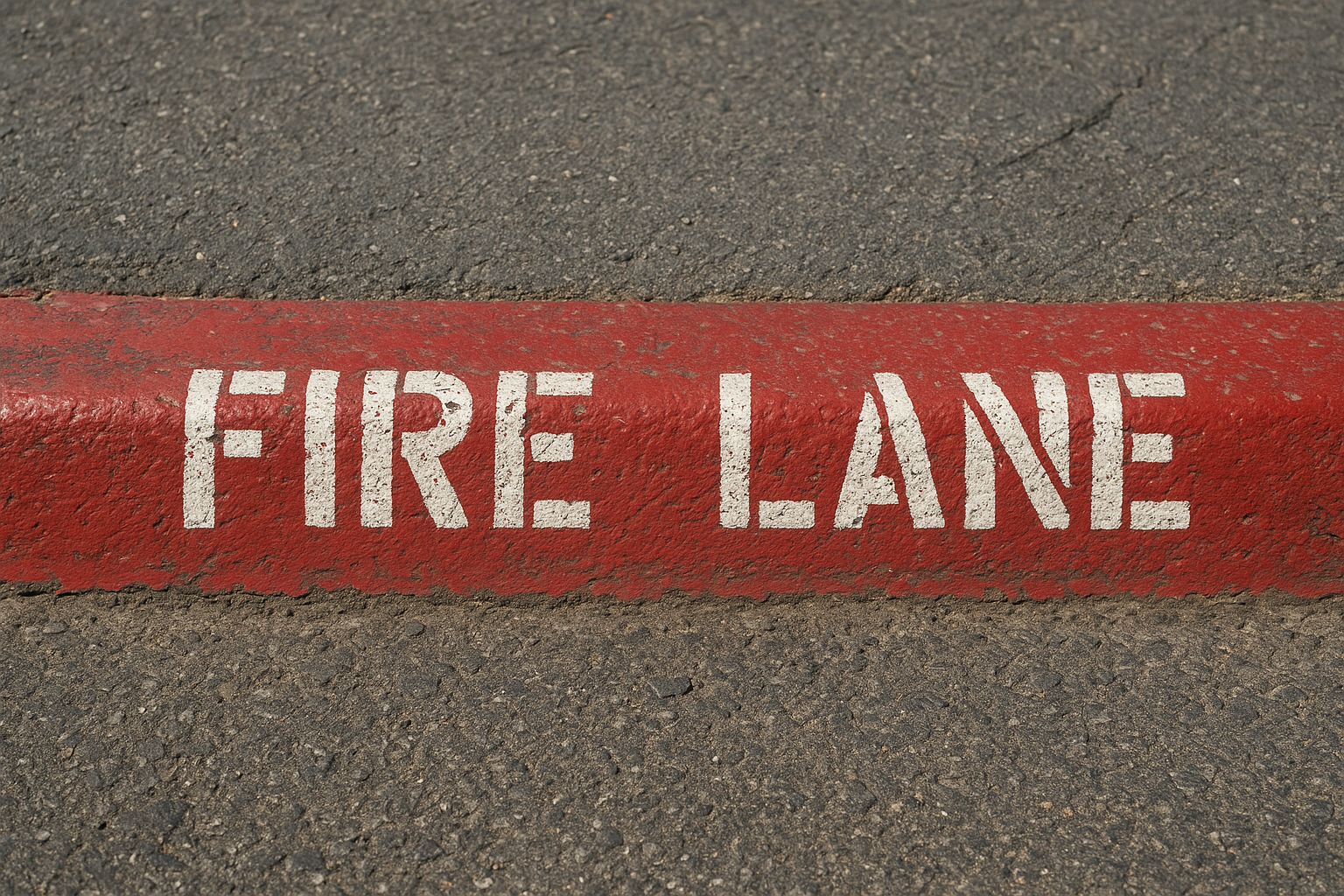
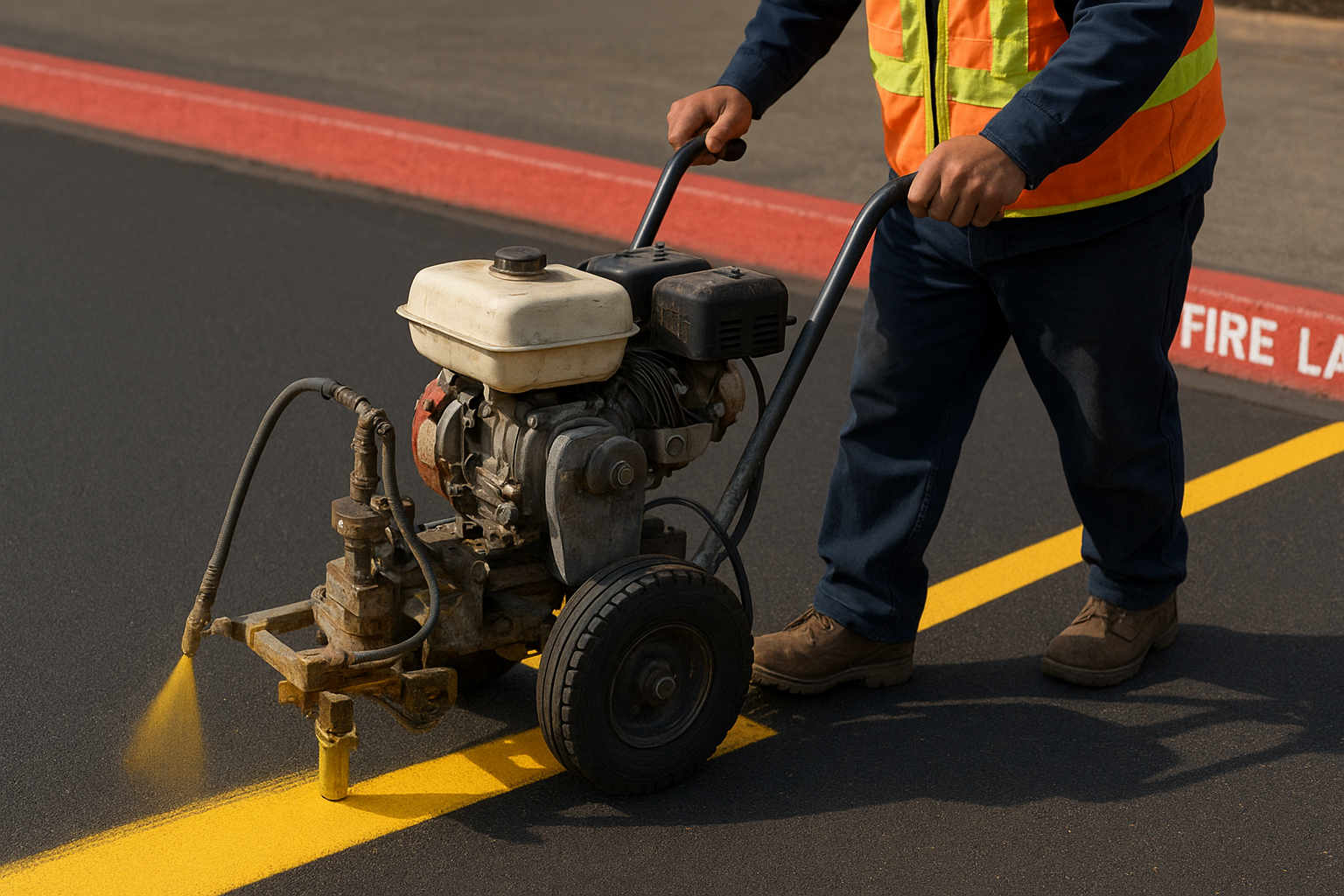
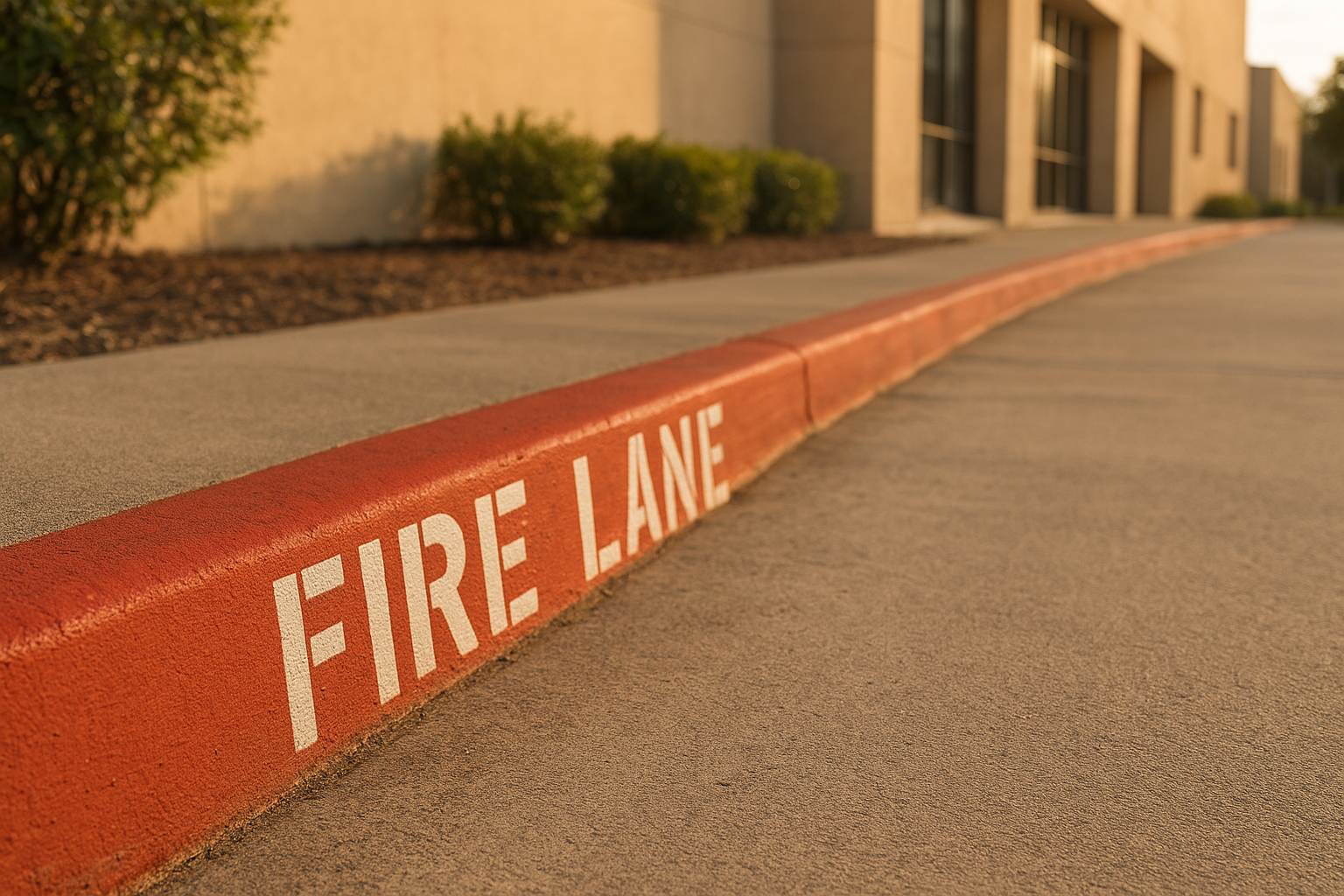
Fire lanes are marked routes that must remain open at all times for emergency vehicles. Typically, they’re painted red with white “FIRE LANE — NO PARKING” lettering along curbs or pavement edges. Local fire codes, often based on standards from the National Fire Protection Association, dictate exact lane widths and signage placement.
Because blocked fire lanes can delay emergency response and result in citations, schools, healthcare facilities, and municipal properties treat this marking as a top priority. Similarly, retail centers with heavy foot traffic benefit from clearly defined lanes that keep delivery vehicles and pedestrians separated from emergency access points.
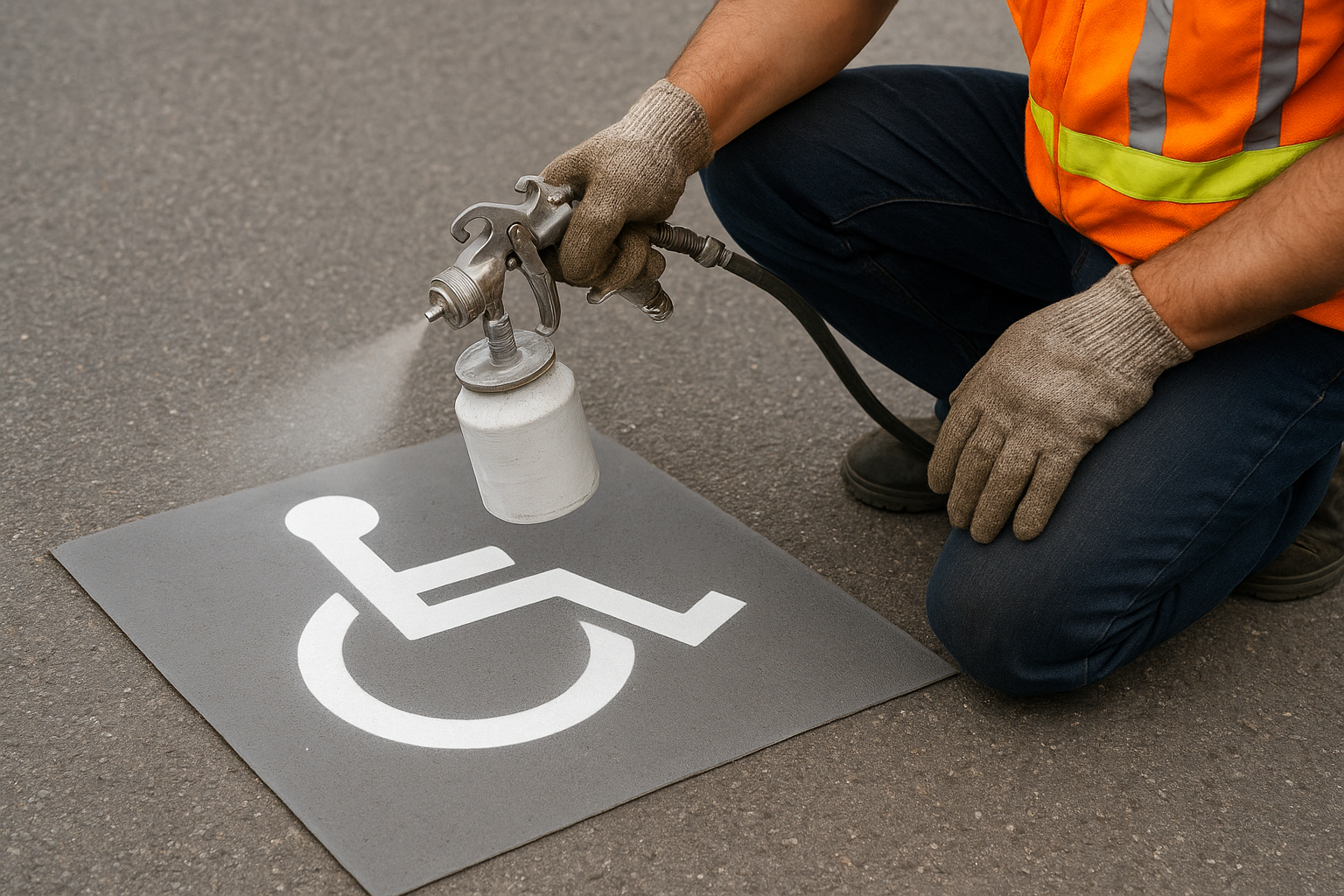
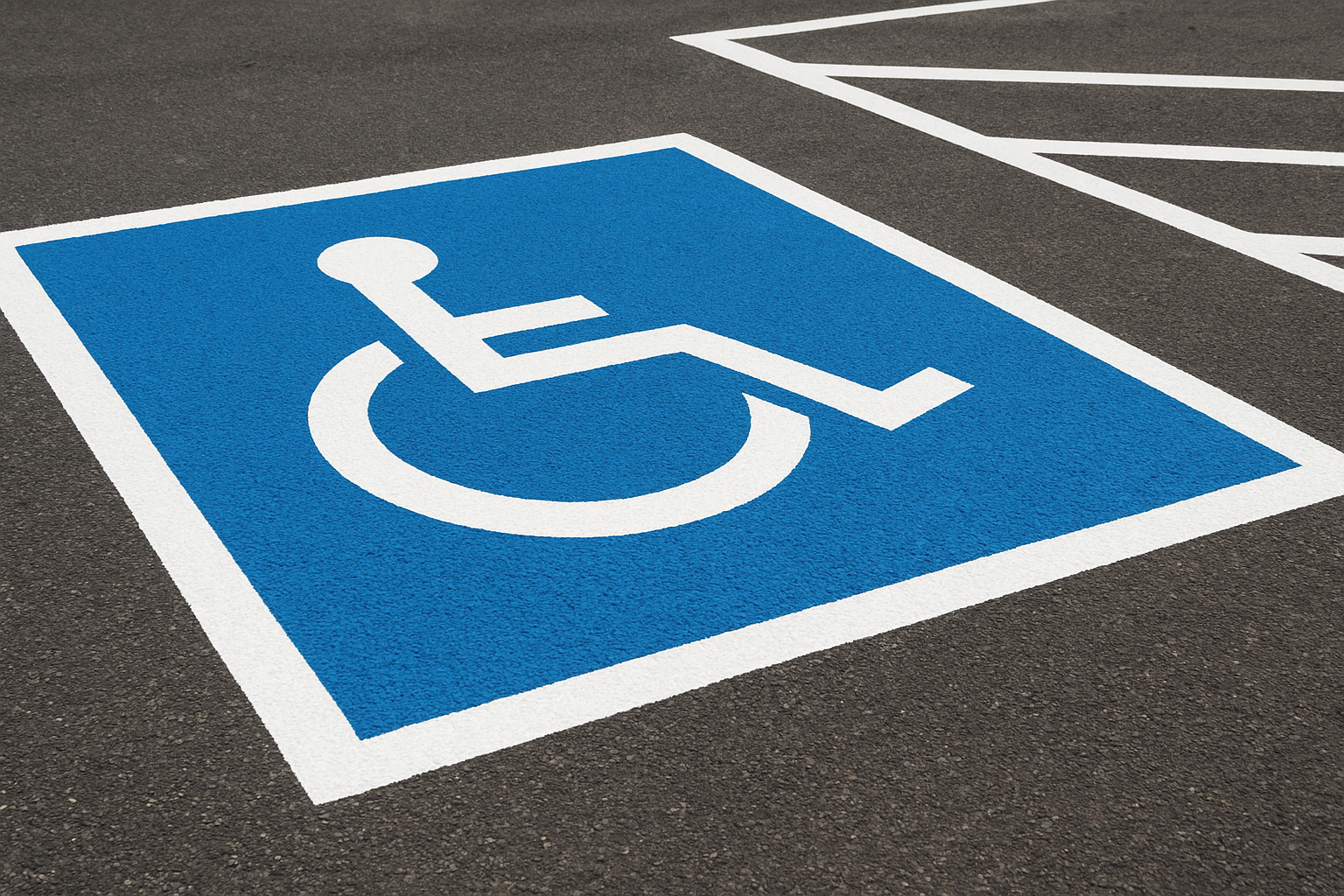
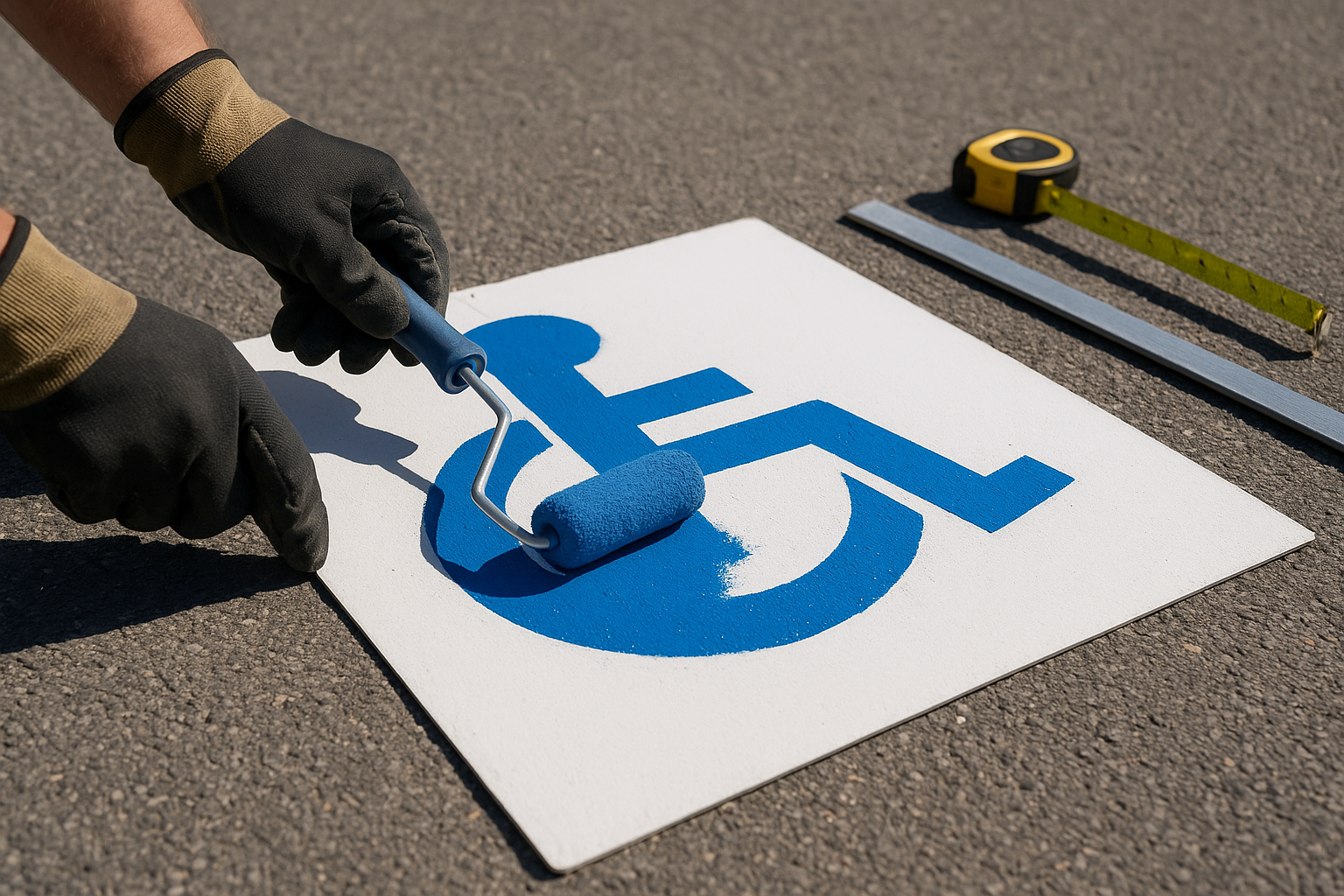
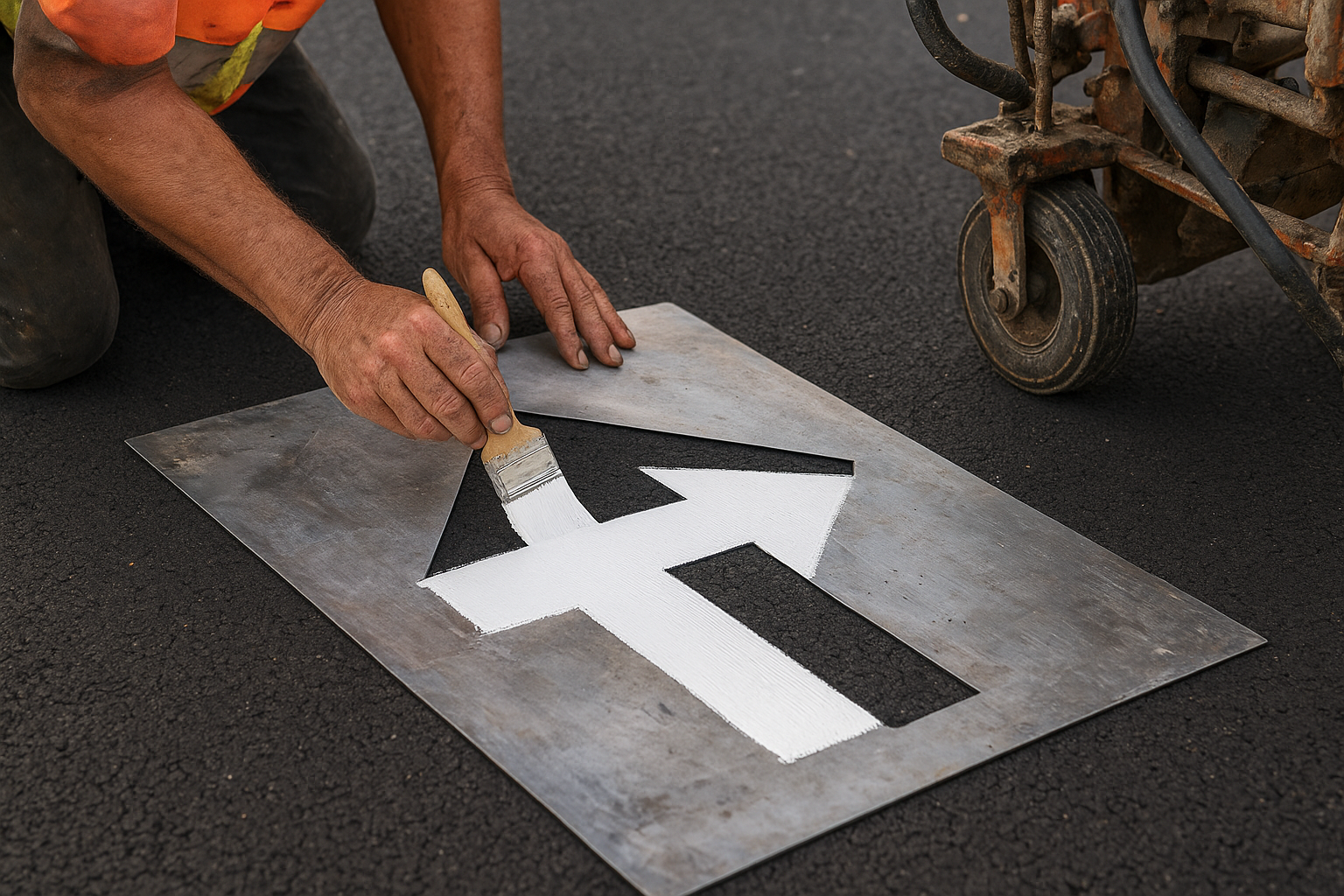
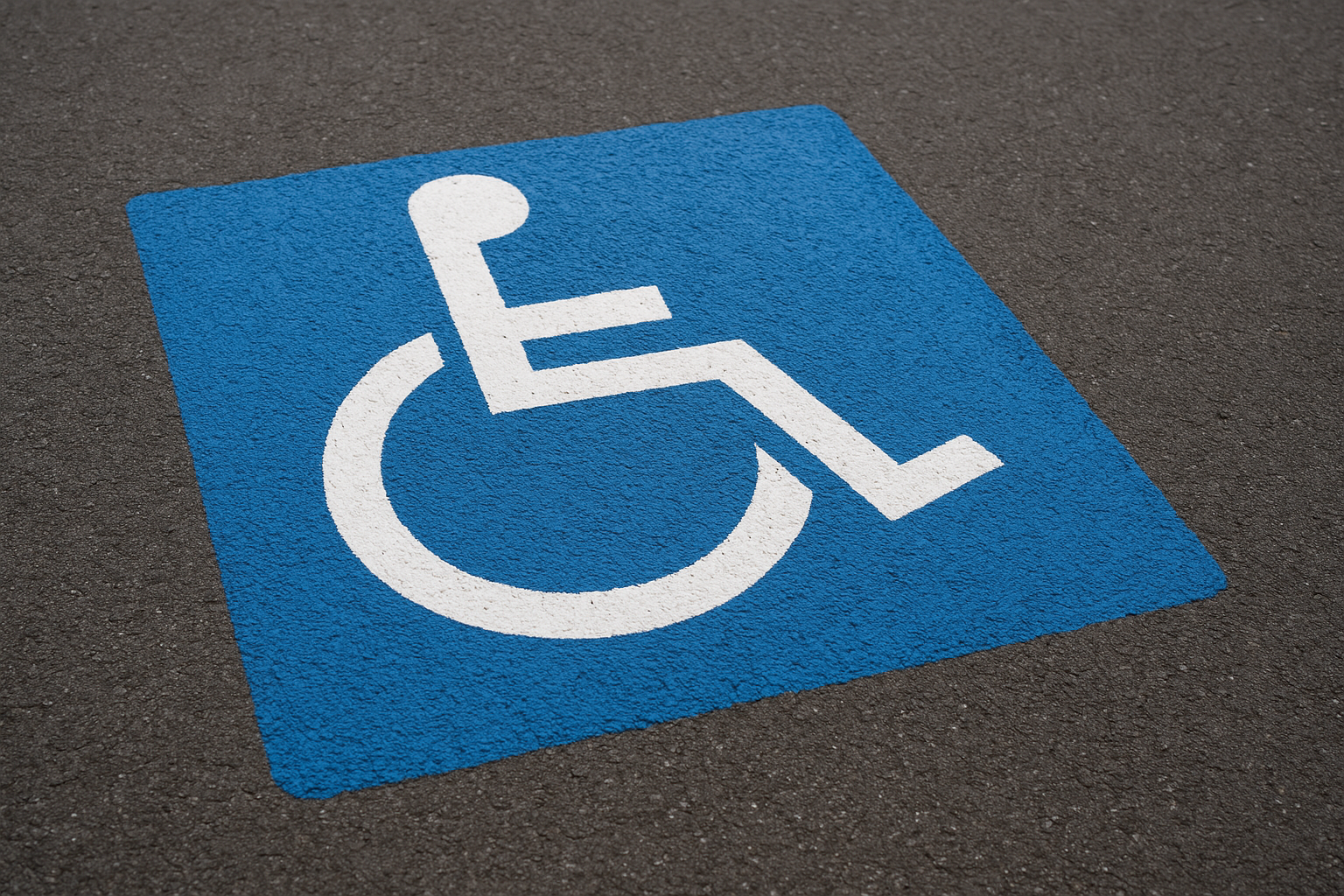
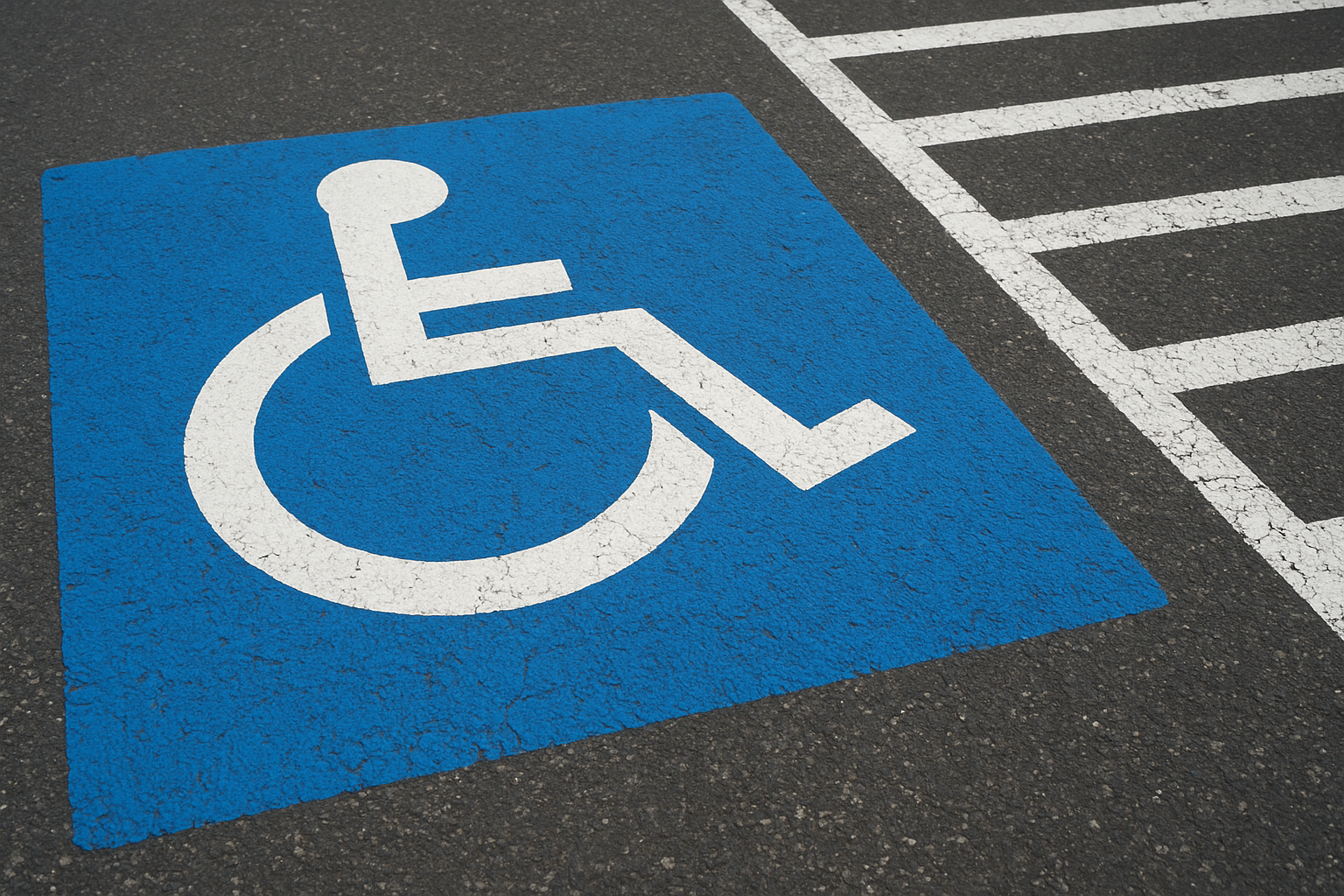
ADA-compliant symbols are stenciled precisely to meet federal accessibility standards.
How the Parking Lot Striping Process Works
Although every property is different, most parking bay marking services follow a consistent process from start to finish. Understanding these steps helps property owners plan around business hours and set realistic expectations.
- A technician walks the lot, measures the total paved area, and notes existing stall counts, drainage patterns, and any surface damage that needs repair before painting begins.
- The contractor drafts a layout plan that maximizes usable stalls while meeting local fire code and ADA accessibility requirements, then confirms the plan with the property owner.
- Crews sweep, pressure wash, or scrape the pavement to remove debris, oil stains, and old faded paint so the new markings adhere properly and last longer.
- Technicians use chalk lines, stencils, and measuring tools to mark the exact placement of every stall, arrow, ADA symbol, and fire lane before any paint is applied.
- Using striping machines and stencils, the crew applies durable traffic or epoxy paint in straight, consistent lines, then allows adequate curing time before reopening the lot to traffic.
For a closer look at how this applies to full lot layouts, the parking lot striping process page outlines typical timelines and equipment used on larger commercial projects.
How Much Do Parking Bay Marking Services Cost?
Parking bay marking services generally cost a few hundred dollars for small lots and several thousand for large commercial properties. Pricing depends mainly on total square footage, paint type, and the number of ADA or fire lane markings required.
In addition, surface condition plays a role. For instance, a lot that needs crack filling or sealcoating before striping will cost more than one that only needs a simple repaint. Requesting a free on-site quote is the most reliable way to get an accurate number for your specific property.
Choosing a Reliable Provider in Denton and Plano
Not every contractor understands local code requirements equally well. Therefore, it helps to choose a provider with hands-on experience across property types — retail centers, schools, healthcare facilities, and municipal lots each have slightly different needs.
A locally operated company serving the Denton and Plano area, such as the team behind stripespls.com, brings familiarity with regional fire codes, ADA enforcement patterns, and Texas weather conditions that affect paint curing. Beyond striping, look for providers who also offer curb painting and full-service layout redesigns, since these details often get overlooked by less experienced crews. You can also review localized service details on the Denton, TX parking services page for a clearer picture of what’s typically included.
According to the International Parking & Mobility Institute, properties that maintain clear, compliant markings report fewer liability claims and higher customer satisfaction scores over time. That single data point underscores why restriping shouldn’t be delayed until lines are barely visible.
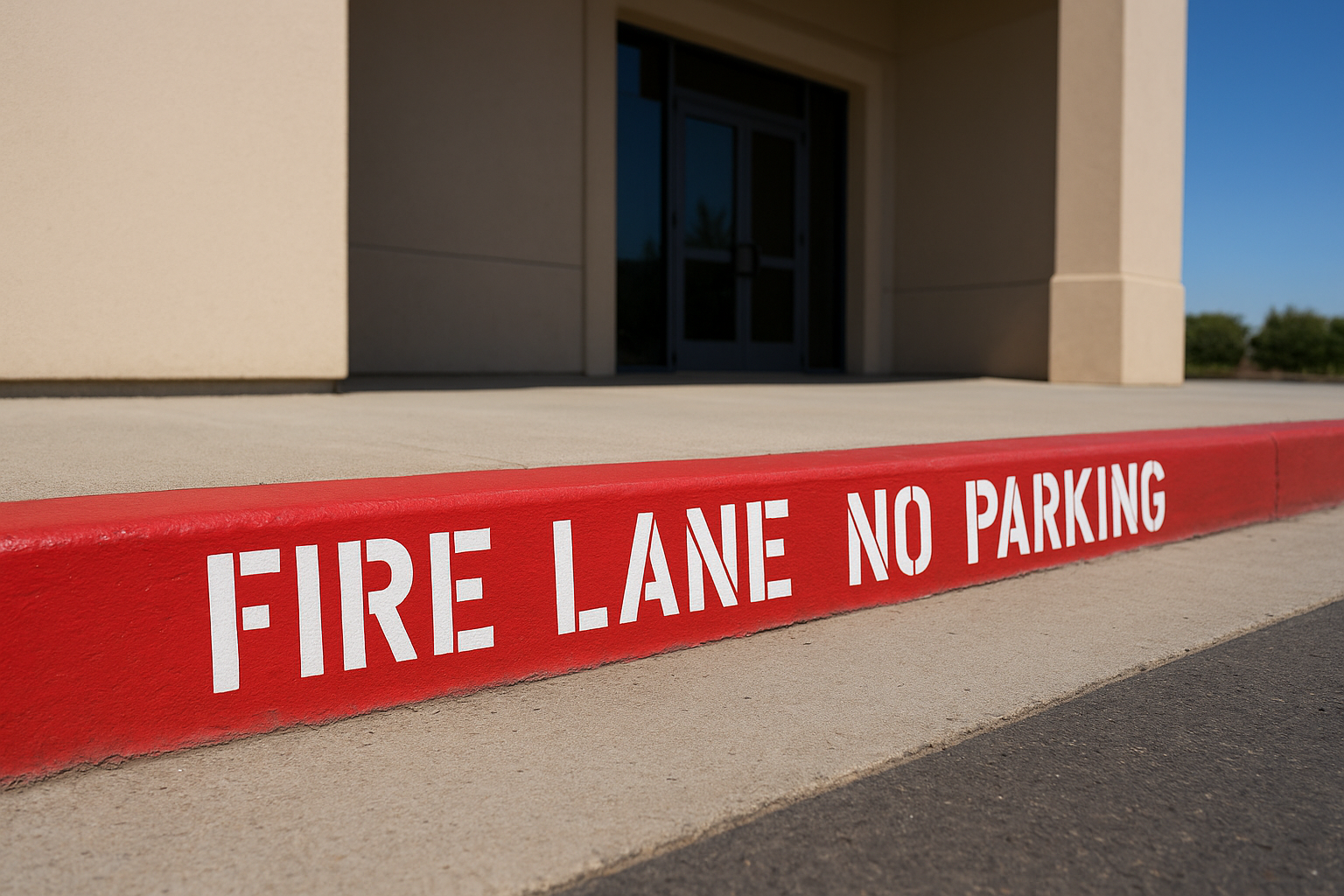
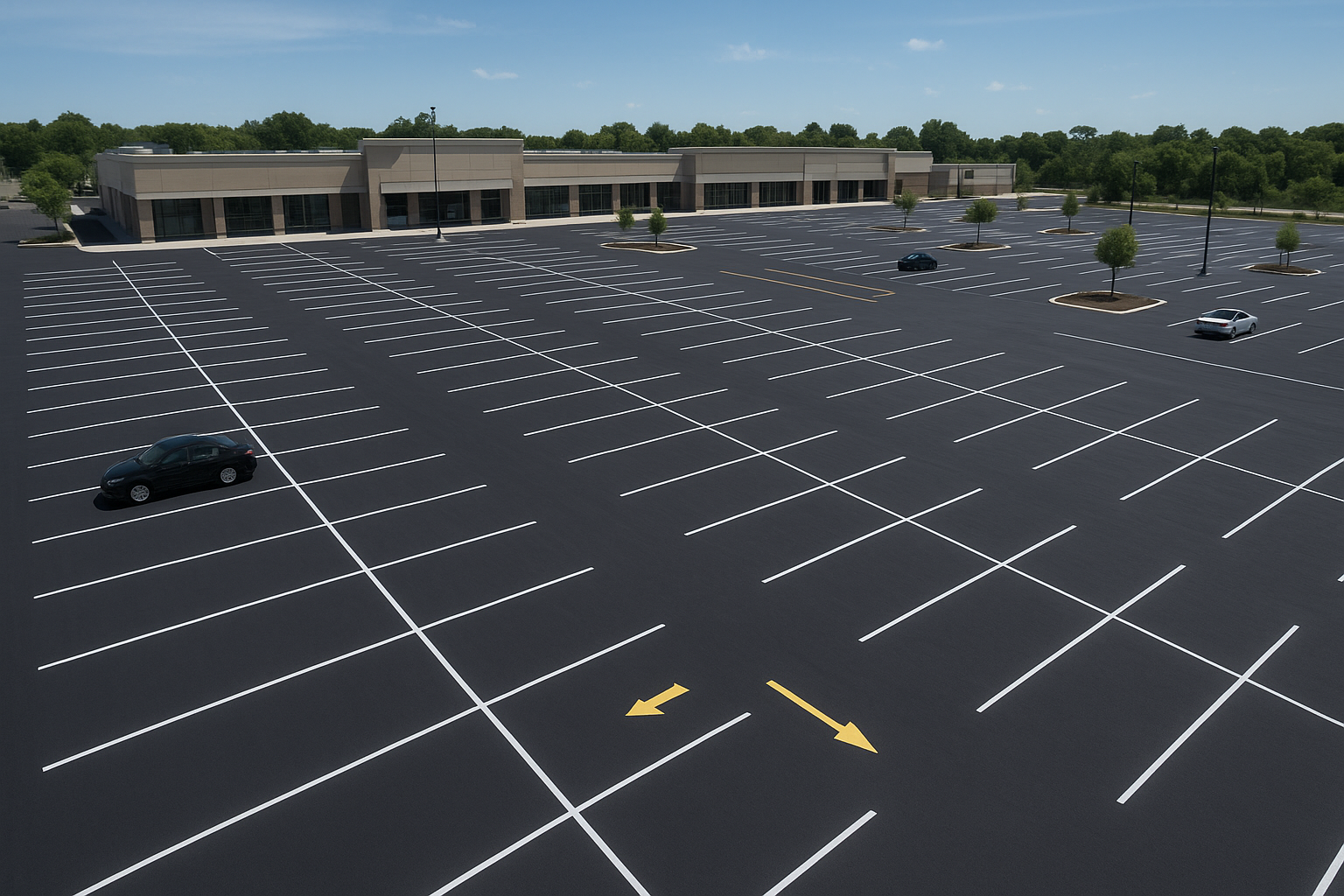
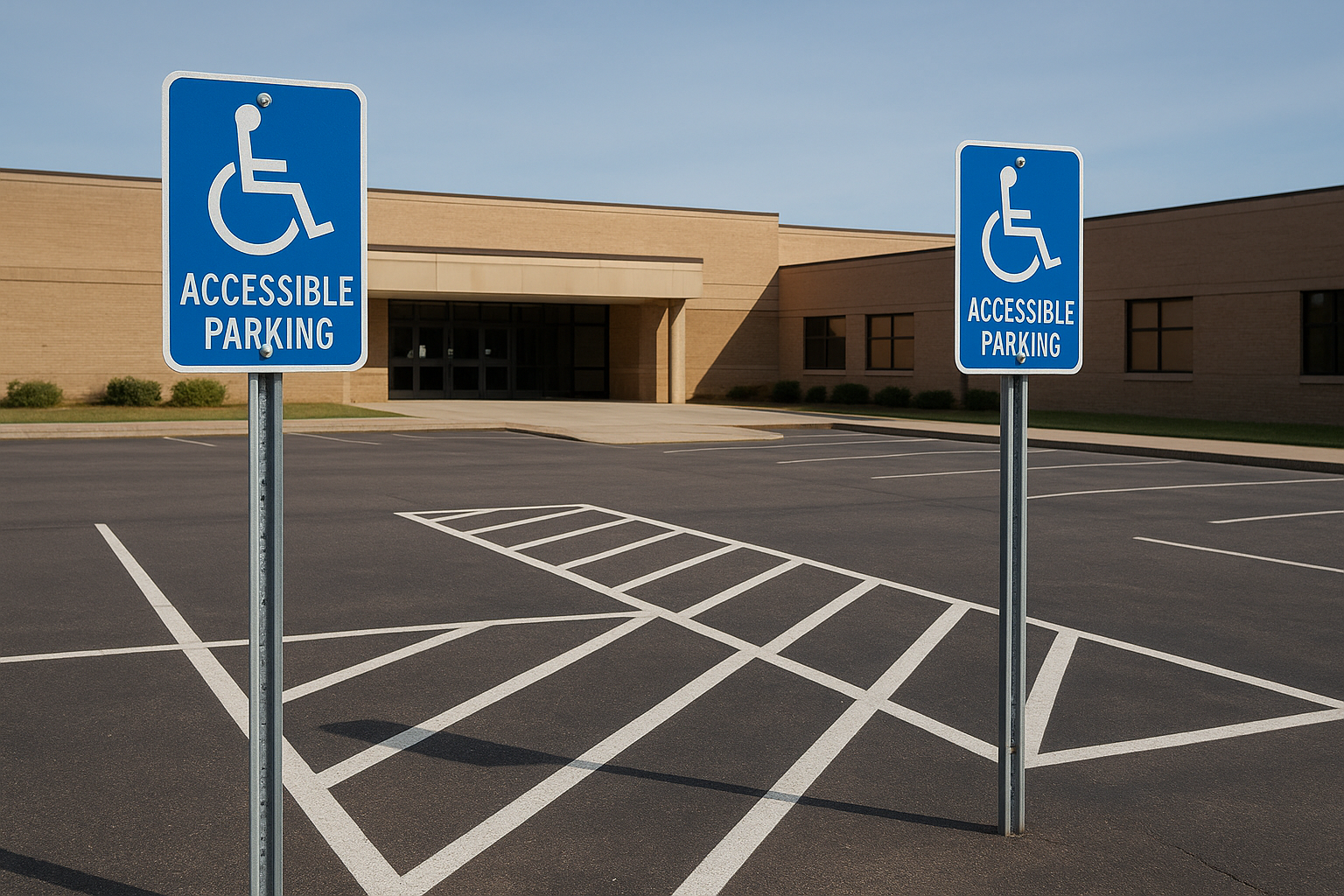
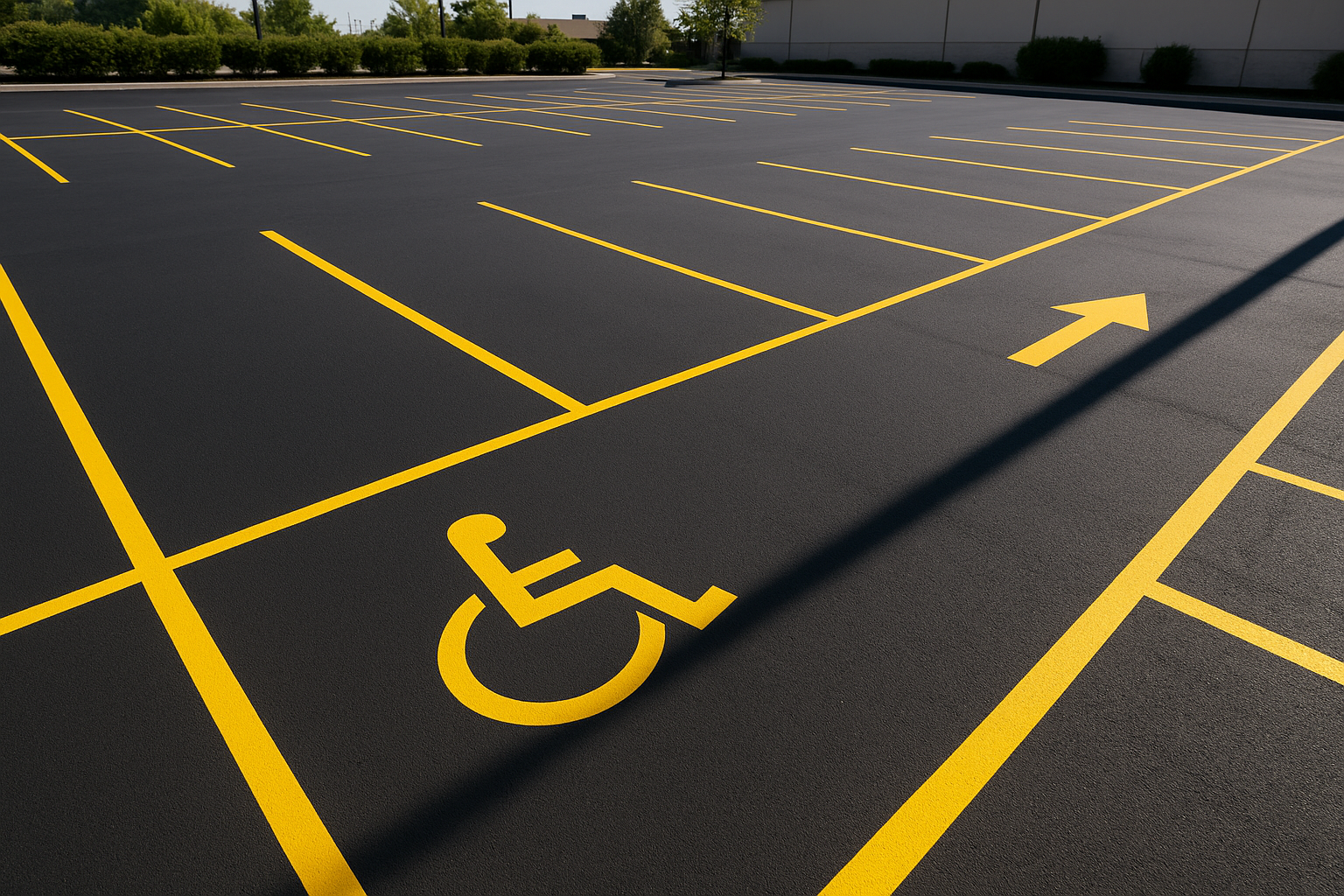
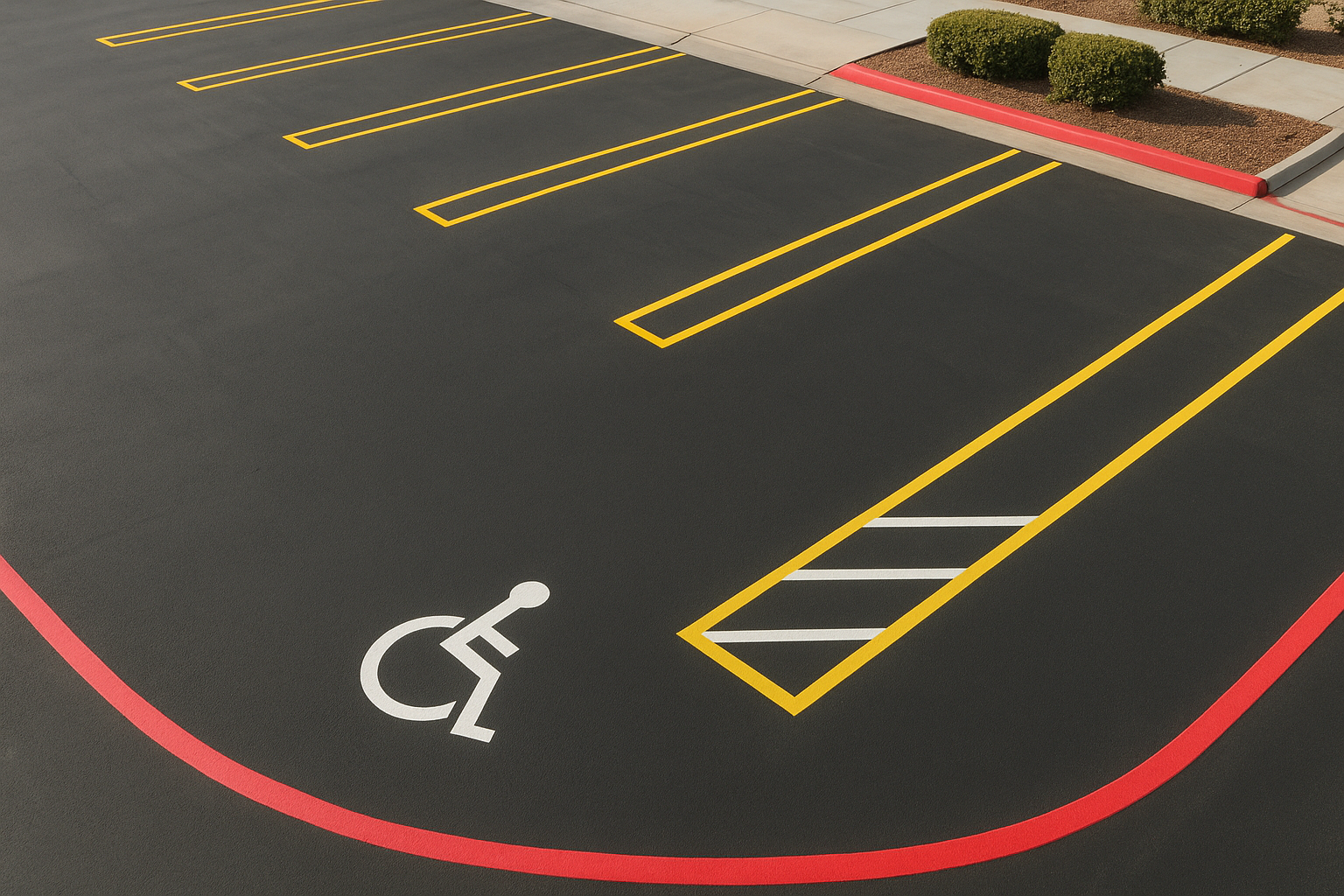
Clearly marked fire lanes keep emergency access routes open at all times.
Frequently Asked Questions About Parking Bay Marking Services
What are parking bay marking services?
Parking bay marking services cover the measuring, layout, and painting of parking stalls, ADA accessible spaces, fire lanes, and directional arrows in a lot. They ensure a property is organized, safe, and code compliant.
How often should parking lot lines be repainted?
Most commercial lots need restriping every 12 to 24 months, depending on traffic volume and Texas sun exposure. High-traffic areas like retail entrances may fade faster and need more frequent touch-ups.
Why is ADA compliant striping required by law?
Federal law under the Americans with Disabilities Act requires accessible parking spaces with proper signage, van-accessible aisles, and marked routes. Non-compliance can result in fines and lawsuits.
How much do parking bay marking services cost?
Parking bay marking services typically range from a few hundred dollars for small lots to several thousand for large commercial properties. Cost depends on lot size, paint type, and the number of ADA or fire lane markings needed.
What paint is used for parking lot striping?
Most contractors use fast-drying water-based traffic paint or durable epoxy paint. Epoxy costs more upfront but resists fading and wear far longer than standard traffic paint.
How long does parking bay marking take to complete?
A typical commercial lot takes one to two days from layout measurement to final paint curing. Larger properties or complex ADA layouts may require additional time.
What is the difference between parking bay marking and fire lane marking?
Parking bay marking defines individual parking stalls, while fire lane marking designates emergency vehicle access routes that must remain clear at all times. Both are often completed during the same project.
Can parking bay marking be done in cold weather?
Yes, but paint curing takes longer below 50 degrees Fahrenheit. Most contractors in North Texas schedule striping during mild, dry weather for the best results.
What are common mistakes in parking lot striping?
Common mistakes include skipping surface cleaning, using incorrect stall widths, and placing ADA spaces without proper access aisles. These errors reduce durability and can create compliance violations.
Do I need a permit for restriping my parking lot?
Simple restriping over an existing layout usually does not require a permit. However, changing the lot’s layout, adding fire lanes, or altering ADA spaces may require municipal approval.
How do I choose a reliable parking bay marking services provider?
Look for a provider with local experience, proper equipment, and knowledge of ADA and fire code requirements. Checking references and reviewing past commercial projects helps confirm quality and reliability.
What is the standard width for a parking bay?
Standard parking stalls are typically 9 feet wide, though widths vary by municipality and space type. ADA van-accessible spaces often require wider stalls of 11 to 12 feet plus an access aisle.
How can I extend the lifespan of parking lot markings?
Sealing the pavement before striping, using quality epoxy paint, and scheduling regular maintenance all extend line life. Avoiding harsh chemical cleaners on painted areas also helps preserve visibility.
Are parking bay marking services available for residential properties?
Yes, many contractors offer smaller-scale striping for apartment complexes, HOAs, and private lots. These projects often include numbered stalls, visitor parking, and accessible space marking.
In summary, parking bay marking services protect drivers, keep emergency routes open, and help property owners avoid ADA violations that can lead to fines. From initial measurement to final paint curing, each step of the process matters — which is why working with an experienced local provider makes a measurable difference. Whether you need a full lot layout, ADA updates, or a simple restripe, scheduling professional parking bay marking services before your lines fully fade is the most cost-effective way to protect your property, your visitors, and your bottom line. Property owners across Denton, Plano, and the greater North Texas region can request a free quote through stripespls.com to get started.